Sam Altman Glad He Rejected Goldman Sachs Internship
OpenAI CEO recalls difficult decision, says AI makes it easier for students to turn down corporate jobs
'%3E%3Crect%20width%3D'96'%20height%3D'96'%20fill%3D'%23B3261E'%2F%3E%3Ccircle%20cx%3D'30'%20cy%3D'24'%20r%3D'44'%20fill%3D'%23fff'%20opacity%3D'.12'%2F%3E%3Ccircle%20cx%3D'60'%20cy%3D'74'%20r%3D'40'%20fill%3D'%23000'%20opacity%3D'.10'%2F%3E%3C%2Fg%3E%3Cg%20fill%3D'%23fff'%3E%3Crect%20x%3D'29'%20y%3D'49'%20width%3D'8'%20height%3D'19'%20rx%3D'1'%2F%3E%3Crect%20x%3D'39'%20y%3D'40'%20width%3D'9'%20height%3D'28'%20rx%3D'1'%2F%3E%3Crect%20x%3D'50'%20y%3D'45'%20width%3D'8'%20height%3D'23'%20rx%3D'1'%2F%3E%3Crect%20x%3D'60'%20y%3D'53'%20width%3D'7'%20height%3D'15'%20rx%3D'1'%2F%3E%3Crect%20x%3D'41'%20y%3D'34'%20width%3D'5'%20height%3D'6'%2F%3E%3C%2Fg%3E%3C%2Fsvg%3E)
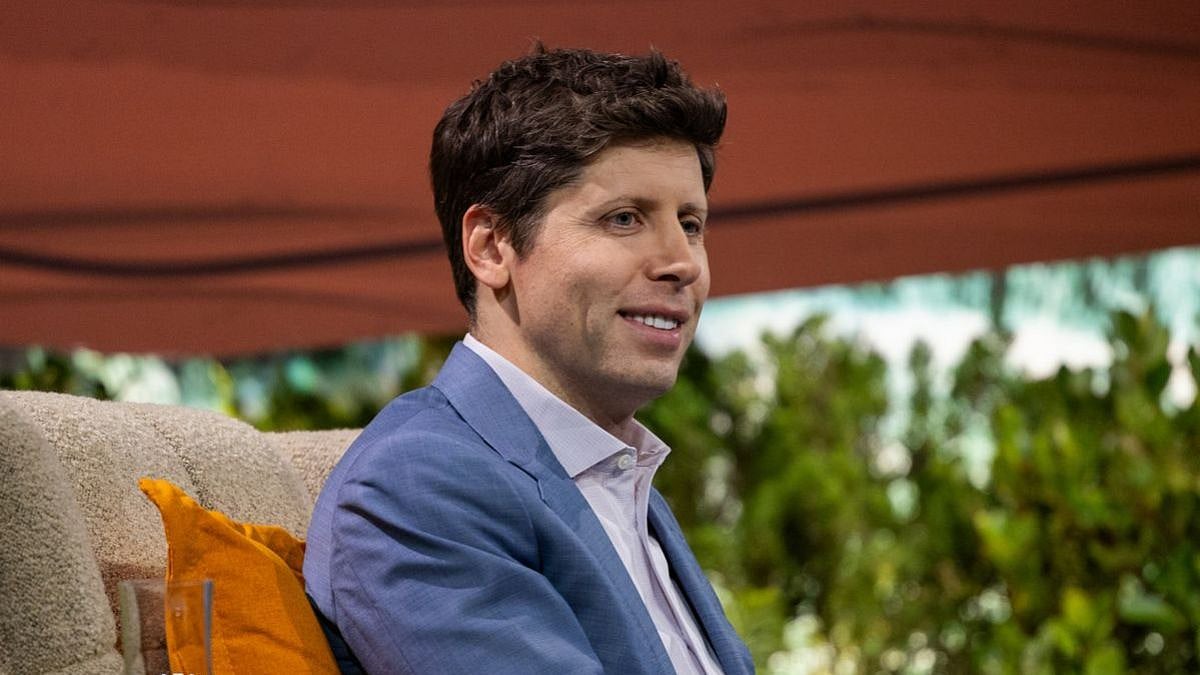
OpenAI CEO Sam Altman recently spoke about his decision to turn down an internship offer from Goldman Sachs during his college years. At the time, a career at Goldman Sachs was considered one of the most sought-after paths for students. Altman had felt pressured into applying and was initially pleased when he got in, but ultimately decided against joining.
Altman recalled that he was talked into the process by peer pressure, but later realized that it wasn't the right fit for him. Reflecting on his decision years later, Altman said that his outlook on investment banking has shifted considerably. He noted that the idea of working at Goldman Sachs today sounds unappealing to him, citing the rigidly hierarchical nature of corporate careers.
According to Altman, many corporate careers leave little scope for people to build something new, whereas startups offer far more freedom for those who want to create products. He emphasized that AI has made it easier for students to turn down prestigious internship offers, as they can now build entire startups largely on their own with the help of AI tools.
In the past, rejecting a prestigious internship offer was a much tougher call, as there were fewer avenues for building a company independently. However, with the advent of AI, students today have more options and can make real progress in their careers simply by building things independently. Altman's comments suggest that the landscape for students and young entrepreneurs has changed significantly, with more opportunities for innovation and creativity outside of traditional corporate structures.
The rise of AI has democratized access to tools and resources, allowing individuals to build and create without needing external validation. This shift has enabled students to pursue their passions and interests without feeling pressured into traditional corporate careers. As a result, the notion of turning down a prestigious internship offer is no longer seen as a risky or unconventional decision.
In fact, Altman's own experience is a testament to the fact that taking the road less traveled can lead to greater success and fulfillment. His decision to reject the Goldman Sachs internship offer ultimately led him to pursue his interests in technology and entrepreneurship, culminating in his current role as CEO of OpenAI.
Overall, Altman's comments highlight the changing landscape for students and young entrepreneurs, with more opportunities for innovation and creativity outside of traditional corporate structures. As AI continues to evolve and improve, it will be interesting to see how this trend develops and what opportunities emerge for the next generation of entrepreneurs and leaders.
The implications of Altman's comments are significant, as they suggest that the traditional corporate career path is no longer the only viable option for students. With the rise of AI, individuals can now pursue their passions and interests without feeling pressured into traditional corporate careers. This shift has the potential to lead to greater innovation and creativity, as individuals are empowered to build and create without needing external validation.
In conclusion, Sam Altman's decision to turn down the Goldman Sachs internship offer was a difficult call at the time, but it ultimately led him to pursue his interests in technology and entrepreneurship. His comments highlight the changing landscape for students and young entrepreneurs, with more opportunities for innovation and creativity outside of traditional corporate structures. As AI continues to evolve and improve, it will be interesting to see how this trend develops and what opportunities emerge for the next generation of entrepreneurs and leaders.
What it means for Mumbai and India is that the startup ecosystem is becoming more vibrant, with more opportunities for young entrepreneurs to build and create. The rise of AI has democratized access to tools and resources, allowing individuals to pursue their passions and interests without needing external validation. This shift has the potential to lead to greater innovation and creativity, as individuals are empowered to build and create without needing external validation.
Frequently asked questions
Why did Sam Altman turn down the Goldman Sachs internship
Altman turned down the internship because he felt pressured into applying and later realized it wasn't the right fit for him.
How has AI changed the landscape for students and young entrepreneurs
AI has made it easier for students to turn down prestigious internship offers and build entire startups largely on their own with the help of AI tools.