New Jersey Lighthouse Moved to Hudson in 1921
A New Jersey lighthouse was relocated, saved by a book and protests.
'%3E%3Crect%20width%3D'96'%20height%3D'96'%20fill%3D'%23B3261E'%2F%3E%3Ccircle%20cx%3D'30'%20cy%3D'24'%20r%3D'44'%20fill%3D'%23fff'%20opacity%3D'.12'%2F%3E%3Ccircle%20cx%3D'60'%20cy%3D'74'%20r%3D'40'%20fill%3D'%23000'%20opacity%3D'.10'%2F%3E%3C%2Fg%3E%3Cg%20fill%3D'%23fff'%3E%3Crect%20x%3D'29'%20y%3D'49'%20width%3D'8'%20height%3D'19'%20rx%3D'1'%2F%3E%3Crect%20x%3D'39'%20y%3D'40'%20width%3D'9'%20height%3D'28'%20rx%3D'1'%2F%3E%3Crect%20x%3D'50'%20y%3D'45'%20width%3D'8'%20height%3D'23'%20rx%3D'1'%2F%3E%3Crect%20x%3D'60'%20y%3D'53'%20width%3D'7'%20height%3D'15'%20rx%3D'1'%2F%3E%3Crect%20x%3D'41'%20y%3D'34'%20width%3D'5'%20height%3D'6'%2F%3E%3C%2Fg%3E%3C%2Fsvg%3E)
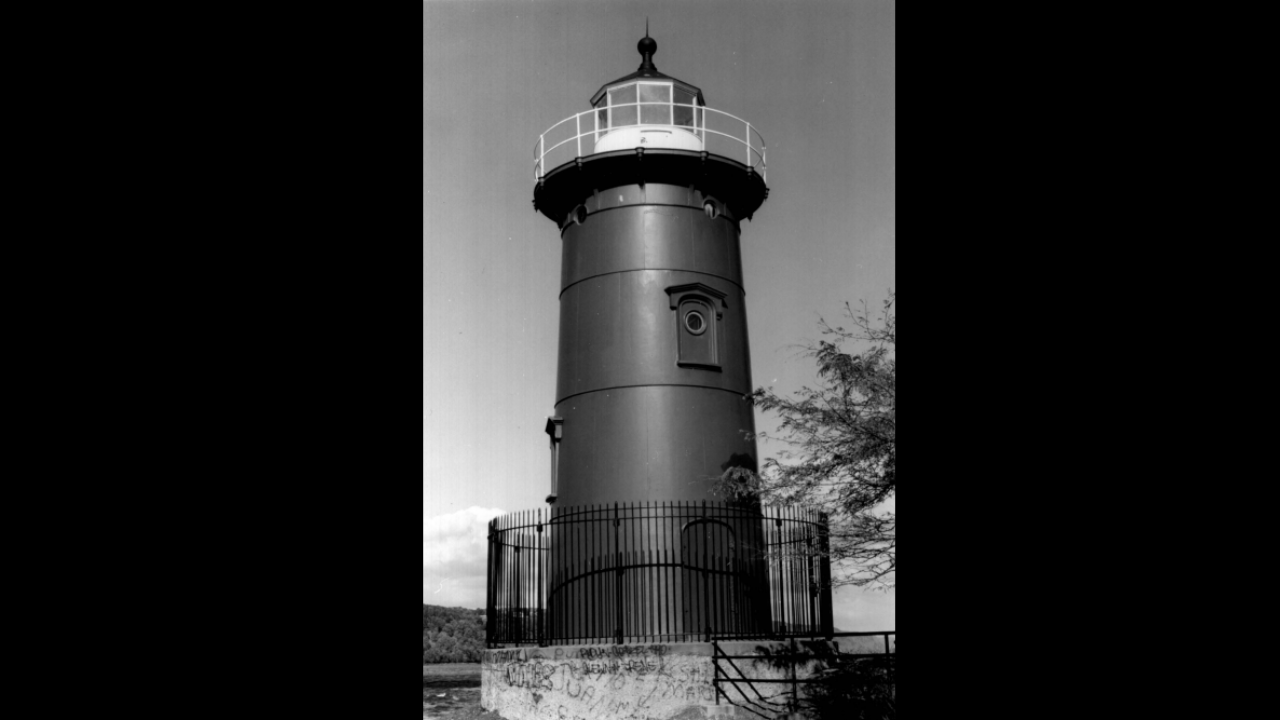
In 1921, a significant event took place when a lighthouse from New Jersey was relocated to the banks of the Hudson River in New York. This lighthouse had once played a crucial role in navigation, guiding ships and boats through the waters. However, with the construction of the George Washington Bridge, its importance began to fade into the background.
The lighthouse's significance was overshadowed by the bridge's grandeur, and it seemed destined for obscurity. But fate had other plans. A beloved children's book, published in 1942, featured the lighthouse as a central character, and it quickly became a cultural treasure. The book's popularity helped to revive interest in the lighthouse, and it soon became a beloved emblem of childhood memories.
As the years passed, the lighthouse faced the threat of demolition, but public protests in 1951 helped to save it from destruction. The protests, fueled by the lighthouse's newfound cultural significance, ensured that the structure was preserved for future generations. Today, the lighthouse remains a cherished landmark, a testament to the power of literature and community action.
The story of the lighthouse's relocation and preservation is a fascinating one, filled with twists and turns. It highlights the importance of cultural heritage and the role that literature can play in shaping our perceptions of the world. The lighthouse, once a humble navigation aid, has become an iconic symbol of childhood wonder and nostalgia.
The George Washington Bridge, which had once threatened to overshadow the lighthouse, now stands as a testament to the power of human ingenuity and engineering. The bridge's construction was a major feat of engineering, and it has become an iconic landmark in its own right. However, the lighthouse remains a beloved and enduring symbol of the region's rich history and cultural heritage.
In the end, the story of the lighthouse's relocation and preservation serves as a reminder of the importance of preserving our cultural heritage. It shows that even the most seemingly insignificant structures can hold deep cultural significance, and that community action and literature can play a powerful role in shaping our perceptions of the world.
The lighthouse's preservation is a testament to the power of public protests and community action. It demonstrates that when people come together to fight for a common cause, they can achieve great things. The lighthouse's story is a inspiring one, and it continues to captivate audiences to this day.
The cultural significance of the lighthouse cannot be overstated. It has become an iconic symbol of childhood memories, and its image has been reproduced in countless works of art and literature. The lighthouse's enduring popularity is a testament to the power of cultural heritage, and it serves as a reminder of the importance of preserving our cultural treasures for future generations.
In conclusion, the story of the New Jersey lighthouse's relocation to the Hudson River is a fascinating one, filled with twists and turns. It highlights the importance of cultural heritage, the power of literature, and the role of community action in shaping our perceptions of the world. The lighthouse remains a beloved and enduring symbol of the region's rich history and cultural heritage, and its preservation is a testament to the power of public protests and community action.
Frequently asked questions
Why was the lighthouse relocated in 1921
The lighthouse was relocated from New Jersey to the Hudson River in New York in 1921, although the exact reasons are not specified in the article.
What book helped save the lighthouse
A beloved children's book published in 1942 helped to save the lighthouse by featuring it as a central character and making it a cultural treasure.