SC Quashes FIRs Against 5 Comedians Over Disability Remarks
Supreme Court dismisses cases against Samay Raina and 4 other comedians. Court appreciates their efforts to help persons with disabilities.
'%3E%3Crect%20width%3D'96'%20height%3D'96'%20fill%3D'%23C2185B'%2F%3E%3Ccircle%20cx%3D'30'%20cy%3D'24'%20r%3D'44'%20fill%3D'%23fff'%20opacity%3D'.12'%2F%3E%3Ccircle%20cx%3D'60'%20cy%3D'74'%20r%3D'40'%20fill%3D'%23000'%20opacity%3D'.10'%2F%3E%3C%2Fg%3E%3Cpath%20fill%3D'%23fff'%20d%3D'M48%2031%20l4.6%2010.2%2011.2%201%20-8.4%207.5%202.5%2011%20-9.9%20-5.8%20-9.9%205.8%202.5%20-11%20-8.4%20-7.5%2011.2%20-1%20z'%2F%3E%3C%2Fsvg%3E)
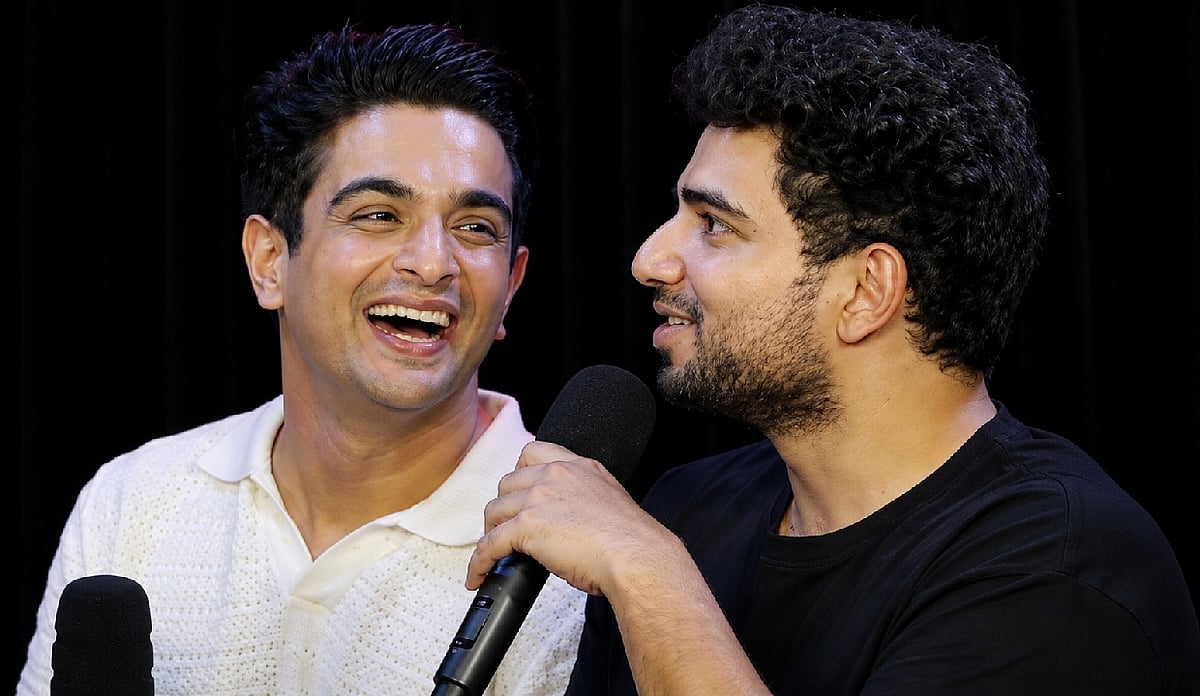
The Supreme Court on Friday, August 14, quashed the criminal proceedings against comedian and YouTuber Samay Raina and four other comedians over insensitive remarks concerning persons with disabilities on India's Got Latent.
The bench, comprising Chief Justice of India Surya Kant and Justices Joymalya Bagchi and V Mohana, passed the order on August 14. Apart from Samay Raina, the relief covers Vipul Goyal, Balraj Paramjeet Singh Ghai, Sonali Thakkar alias Sonali Aditya Desai, and Nishant Jagdish Tanwar.
The court also appreciated their efforts to organise events for the benefit of persons with disabilities. The bench reportedly said, 'Once there are genuine efforts, positive results are bound to be there. They are very bright youngsters. If they have started working in a positive direction, there will be positive output.'
The court said that the criminal proceedings against the five comedians were being quashed, and that related proceedings would also be set aside. However, the larger issue surrounding checks on online content remains open, with the court expected to consider suggestions from persons with disabilities before framing appropriate directions.
The controversy surrounding India's Got Latent began after multiple complaints and FIRs were filed in different states, with allegations including obscenity and indecent language. YouTuber Ranveer Allahbadia had also approached the Supreme Court seeking relief in the cases against him, including protection from coercive action.
The court had earlier granted him interim protection from arrest. However, his separate plea remains pending before the Supreme Court. During the proceedings, the Supreme Court had criticised Allahbadia's remarks and examined the balance between freedom of expression and social responsibility.
The legal battle also saw the Supreme Court take a strong view of Raina's public comments about the case. In March 2025, the court warned Raina after he referred to the proceedings during a show in Canada. Justice Surya Kant told him, 'These youngsters may think that we are outdated, but we know how to deal with them. Don't take the court lightly.'
The warning came after Raina told the audience at the end of his Canada show, 'Thanks for paying my lawyer's fees.' The bench also considered Allahbadia's request to resume his podcast, The Ranveer Show. He was allowed to continue the podcast, with the court stressing the need to balance freedom of expression with morality.
The court also considered his submission that the podcast was his only source of livelihood and that around 280 people working with him depended on it. The case highlights the importance of balancing freedom of expression with social responsibility, particularly in the context of online content.
The Supreme Court's decision to quash the FIRs against the comedians is significant, as it acknowledges the importance of freedom of expression while also emphasizing the need for sensitivity and respect towards persons with disabilities. The court's appreciation of the comedians' efforts to help persons with disabilities is also noteworthy, as it recognizes the positive impact that such initiatives can have on society.
In conclusion, the Supreme Court's decision in this case is a significant development in the ongoing debate about online content and freedom of expression. While the court has quashed the FIRs against the comedians, it has also emphasized the need for sensitivity and respect towards persons with disabilities, and has encouraged the comedians to continue their positive efforts.
The case will likely have implications for the wider issue of online content regulation, and will be closely watched by stakeholders in the media and entertainment industry. As the court continues to consider suggestions from persons with disabilities, it is likely that we will see further developments in this area in the coming months.
Ultimately, the Supreme Court's decision is a reminder of the importance of balancing freedom of expression with social responsibility, and of the need for sensitivity and respect towards all individuals, regardless of their abilities or disabilities.
The decision is a significant step forward in promoting a culture of inclusivity and respect, and will likely have a positive impact on society as a whole.
The court's emphasis on the need for positive efforts and initiatives is also noteworthy, as it recognizes the importance of proactive steps in promoting social responsibility and respect for persons with disabilities.
In the context of India's growing online presence, the case highlights the need for responsible and sensitive content creation, and for a balanced approach to regulating online content.
As the media and entertainment industry continues to evolve, it is likely that we will see further developments in this area, and the Supreme Court's decision will likely play an important role in shaping the future of online content regulation in India.
Frequently asked questions
What was the controversy surrounding India's Got Latent?
The controversy began after multiple complaints and FIRs were filed against the comedians for making insensitive remarks about persons with disabilities.
What was the Supreme Court's decision in the case?
The Supreme Court quashed the criminal proceedings against the five comedians and appreciated their efforts to help persons with disabilities.