Weak Monsoon Threatens India's Economy
Weak monsoon poses risks to rural economy and farm incomes, potentially slowing consumption demand.

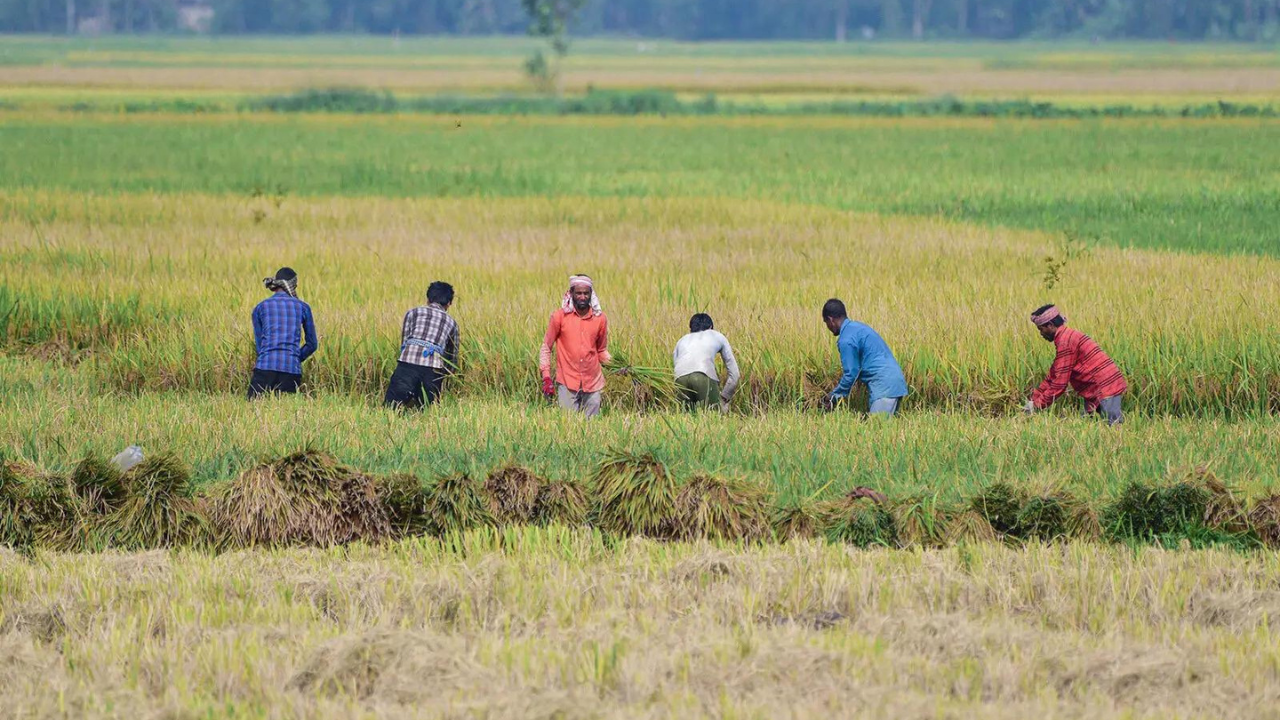
A weaker monsoon season is expected to have significant implications for India's economy, particularly in rural areas. The reduced rainfall poses a substantial risk to farm incomes, which could lead to increased food inflation and decreased consumption demand in the coming months.
The agricultural sector, as well as related industries, are likely to be the most affected by below-normal rainfall. This is because agriculture is heavily reliant on monsoon rains, and a weak monsoon can lead to reduced crop yields and lower farmer incomes.
Microfinance institutions are also expected to be more vulnerable than banks due to their high exposure to rural borrowers. Many of these borrowers rely on agriculture for their livelihood, and a weak monsoon can make it difficult for them to repay their loans.
While a weak monsoon may lead to a decline in hydroelectric generation, the broader economic outlook remains supported. However, the potential slowdown in consumption demand and increase in food inflation could have far-reaching consequences for the economy.
India's rural economy is a significant contributor to the country's overall economic growth, and any disruptions to this sector can have a ripple effect on the entire economy. The government and policymakers will need to closely monitor the situation and take necessary steps to mitigate the impact of a weak monsoon.
In recent years, India has experienced several weak monsoon seasons, which have had significant impacts on the economy. The effects of a weak monsoon can be felt across various sectors, from agriculture to manufacturing, and can even influence the country's trade balance.
The Indian economy is heavily reliant on the monsoon season, and any disruptions to this can have significant consequences. The government has implemented various measures to support farmers and rural communities during times of drought or weak monsoon, but more needs to be done to ensure that the economy is resilient to such disruptions.
As the monsoon season progresses, it is essential to keep a close eye on the situation and take proactive steps to mitigate the potential impacts on the economy. This includes providing support to farmers, implementing measures to reduce food inflation, and promoting economic growth in rural areas.
In conclusion, a weak monsoon season poses significant risks to India's economy, particularly in rural areas. While the broader economic outlook remains supported, the potential slowdown in consumption demand and increase in food inflation could have far-reaching consequences. It is essential for policymakers to take necessary steps to mitigate the impact of a weak monsoon and ensure that the economy remains resilient.
The potential consequences of a weak monsoon highlight the need for India to diversify its economy and reduce its reliance on agriculture. This can be achieved through investments in infrastructure, manufacturing, and services, as well as promoting economic growth in rural areas.
Overall, the impact of a weak monsoon on India's economy is a complex issue that requires careful consideration and planning. While there are risks associated with a weak monsoon, there are also opportunities for growth and development. By taking proactive steps to mitigate the potential impacts, India can ensure that its economy remains resilient and continues to grow in the coming months.
The situation will be closely monitored by economists, policymakers, and farmers, as the country waits to see how the monsoon season will unfold. One thing is certain, however: a weak monsoon season has the potential to significantly impact India's economy, and it is essential that necessary steps are taken to mitigate this impact.
In the end, the effects of a weak monsoon will be felt across the country, from rural communities to urban centers. It is crucial that India takes a proactive approach to addressing the potential consequences of a weak monsoon, and works towards creating a more resilient and diversified economy.