SC Orders Rs 15L Payment to Shunted Officer
SC rules in favor of officer, orders compensation. Officer was shunted out as 'deadwood'.
'%3E%3Crect%20width%3D'96'%20height%3D'96'%20fill%3D'%231A5276'%2F%3E%3Ccircle%20cx%3D'30'%20cy%3D'24'%20r%3D'44'%20fill%3D'%23fff'%20opacity%3D'.12'%2F%3E%3Ccircle%20cx%3D'60'%20cy%3D'74'%20r%3D'40'%20fill%3D'%23000'%20opacity%3D'.10'%2F%3E%3C%2Fg%3E%3Cg%20fill%3D'%23fff'%3E%3Cpath%20d%3D'M31%2041%20L48%2031%20L65%2041%20Z'%2F%3E%3Crect%20x%3D'33'%20y%3D'43'%20width%3D'4'%20height%3D'17'%2F%3E%3Crect%20x%3D'41'%20y%3D'43'%20width%3D'4'%20height%3D'17'%2F%3E%3Crect%20x%3D'51'%20y%3D'43'%20width%3D'4'%20height%3D'17'%2F%3E%3Crect%20x%3D'59'%20y%3D'43'%20width%3D'4'%20height%3D'17'%2F%3E%3Crect%20x%3D'30'%20y%3D'62'%20width%3D'36'%20height%3D'4'%20rx%3D'1'%2F%3E%3C%2Fg%3E%3C%2Fsvg%3E)
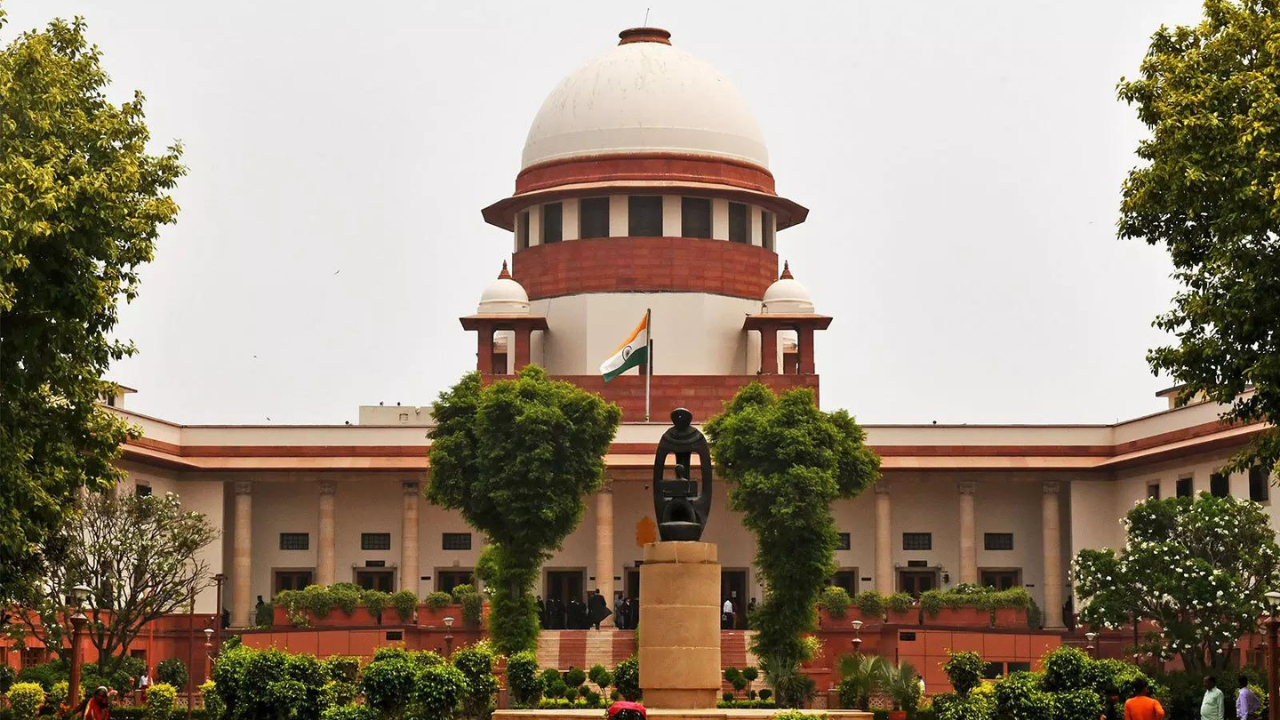
The Supreme Court has ordered the government to pay Rs 15 lakh in compensation to an 'outstanding' officer who was shunted out as 'deadwood'.
The officer in question had been performing exceptionally well, with their service record showing outstanding performance. However, they were suddenly transferred and labeled as 'deadwood', a term used to describe underperforming or inefficient employees.
The Supreme Court's decision comes as a significant ruling in favor of the officer, who had challenged their transfer and the subsequent labeling. The court's order highlights the need for fair treatment of government employees and the importance of recognizing and rewarding outstanding performance.
The case has sparked debate about the treatment of government employees and the need for transparency and accountability in the transfer process. The Supreme Court's ruling is expected to have implications for similar cases in the future.
The government had argued that the transfer was necessary for administrative reasons, but the court rejected this argument, stating that the officer's outstanding performance had not been taken into account. The court also noted that the labeling of the officer as 'deadwood' was unjustified and had caused harm to their reputation.
The officer's lawyer had argued that the transfer and labeling were unfair and had caused significant distress to the officer. The lawyer also pointed out that the officer's service record had been exemplary, with numerous awards and recognition for their outstanding performance.
The Supreme Court's decision is a significant victory for the officer, who had been fighting for justice for several years. The ruling is also expected to have a positive impact on the morale of government employees, who often face arbitrary transfers and labeling.
In recent years, there have been several cases of government employees being transferred and labeled as 'deadwood' without proper justification. The Supreme Court's ruling is expected to bring some transparency and accountability to the transfer process, and to recognize the importance of rewarding outstanding performance.
The government has been ordered to pay the compensation within a specified timeframe, and the officer is expected to be reinstated to their previous position. The ruling is a significant step towards recognizing the rights of government employees and promoting fairness and transparency in the transfer process.
The Supreme Court's decision is a reminder that outstanding performance should be recognized and rewarded, and that government employees should be treated with fairness and respect. The ruling is expected to have a positive impact on the functioning of the government and the morale of its employees.
In conclusion, the Supreme Court's ruling is a significant victory for the officer and a step towards promoting fairness and transparency in the transfer process. The government's decision to label the officer as 'deadwood' was unjustified, and the court's order for compensation is a recognition of the harm caused to the officer's reputation.
The case highlights the importance of recognizing and rewarding outstanding performance, and the need for transparency and accountability in the transfer process. The Supreme Court's ruling is expected to have implications for similar cases in the future and to promote fairness and transparency in the functioning of the government.
Frequently asked questions
What was the Supreme Court's ruling in the case of the shunted officer?
The Supreme Court ordered the government to pay Rs 15 lakh in compensation to the officer and recognized their outstanding performance.
Why was the officer labeled 'deadwood'?
The officer was labeled 'deadwood' despite their outstanding performance, and the Supreme Court ruled that this labeling was unjustified.