US Green Card Rules Tighten September 18
New public charge rules start soon. Green card hopefuls face tougher scrutiny.
'%3E%3Crect%20width%3D'96'%20height%3D'96'%20fill%3D'%234A235A'%2F%3E%3Ccircle%20cx%3D'30'%20cy%3D'24'%20r%3D'44'%20fill%3D'%23fff'%20opacity%3D'.12'%2F%3E%3Ccircle%20cx%3D'60'%20cy%3D'74'%20r%3D'40'%20fill%3D'%23000'%20opacity%3D'.10'%2F%3E%3C%2Fg%3E%3Cg%20fill%3D'none'%20stroke%3D'%23fff'%20stroke-width%3D'3'%3E%3Ccircle%20cx%3D'48'%20cy%3D'48'%20r%3D'16'%2F%3E%3Cellipse%20cx%3D'48'%20cy%3D'48'%20rx%3D'6.5'%20ry%3D'16'%2F%3E%3Cline%20x1%3D'32'%20y1%3D'42'%20x2%3D'64'%20y2%3D'42'%2F%3E%3Cline%20x1%3D'32'%20y1%3D'54'%20x2%3D'64'%20y2%3D'54'%2F%3E%3C%2Fg%3E%3C%2Fsvg%3E)
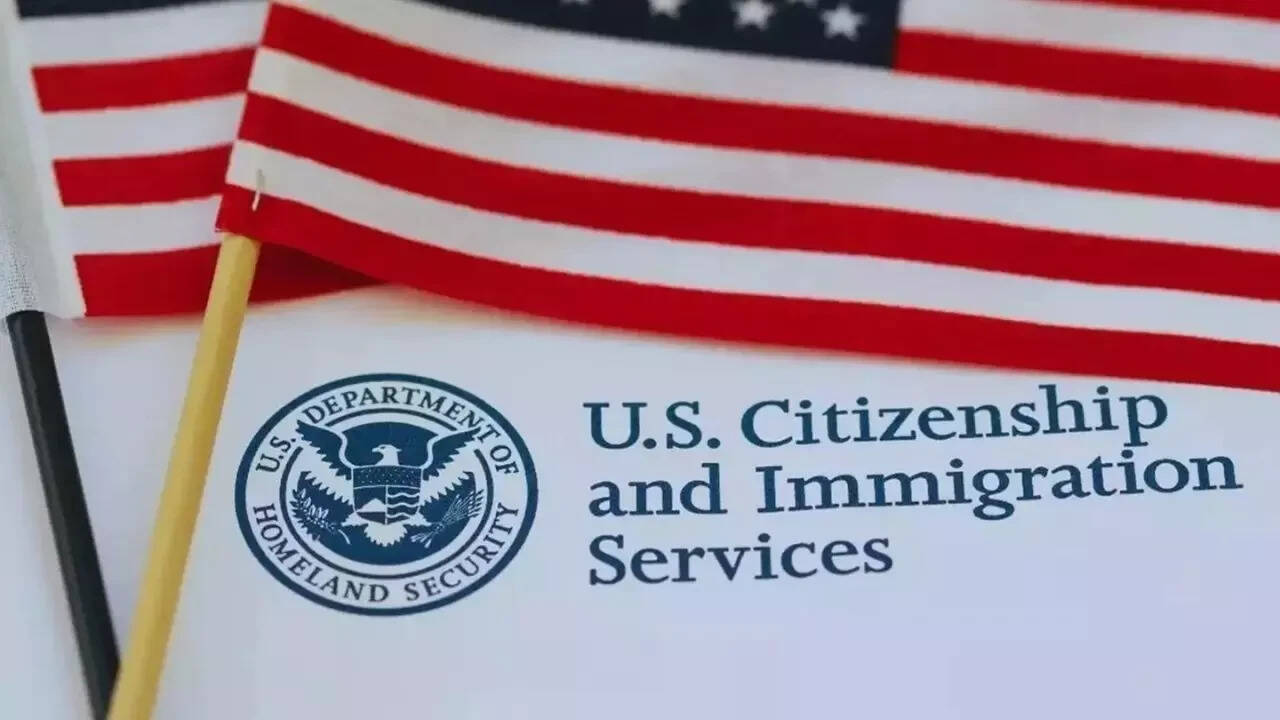
The United States is set to tighten its rules for granting green cards, with new public charge scrutiny coming into effect on September 18. This change will impact individuals seeking permanent residence in the US, making it more challenging for them to obtain a green card.
The public charge rule is designed to assess whether an immigrant is likely to rely on government assistance, such as food stamps or Medicaid, in the future. Under the new rules, immigration officials will scrutinize applicants' financial history, income, and other factors to determine their likelihood of becoming a public charge.
The US government has stated that the new rules are intended to ensure that immigrants are self-sufficient and do not become a burden on the US taxpayer. However, critics argue that the rules will unfairly target low-income immigrants and make it more difficult for them to obtain a green card.
The new public charge rules will apply to all green card applicants, including those seeking family-based or employment-based visas. Applicants will be required to provide detailed financial information, including their income, assets, and debts. Immigration officials will also consider factors such as the applicant's education, skills, and health when making a determination.
The US has a long history of attracting immigrants from around the world, and the green card program is a key part of this process. However, in recent years, the US government has implemented various changes to the program, making it more difficult for individuals to obtain a green card.
For example, the US government has increased the minimum investment required for certain types of visas and has implemented stricter requirements for demonstrating English language proficiency. The new public charge rules are the latest in a series of changes aimed at reducing the number of immigrants who rely on government assistance.
The impact of the new rules is likely to be significant, with many green card applicants facing increased scrutiny and potential rejection. Immigrant advocacy groups have expressed concern about the rules, arguing that they will unfairly target vulnerable populations and make it more difficult for them to access the benefits they need.
In the context of US immigration policy, the new public charge rules are part of a broader effort to restrict immigration and promote self-sufficiency among immigrants. The rules reflect a shift in the US government's approach to immigration, with a greater emphasis on ensuring that immigrants are able to support themselves financially.
The new public charge rules will take effect on September 18, and green card applicants should be prepared for increased scrutiny and potential delays in the application process. As the US continues to evolve its immigration policies, it is likely that we will see further changes to the green card program in the coming years.
The significance of the new public charge rules for Mumbai residents and Indians in general is that it may affect their plans to migrate to the US. Many Indians apply for green cards every year, and the new rules may make it more challenging for them to obtain permanent residence in the US. As a result, individuals planning to apply for a green card should carefully review the new rules and seek professional advice to ensure they are well-prepared for the application process.
In conclusion, the new public charge rules mark a significant change in US immigration policy, with potential implications for green card applicants from around the world, including India. As the rules take effect on September 18, it is essential for applicants to understand the changes and be prepared for the increased scrutiny that will come with them.
Frequently asked questions
When do the new public charge rules take effect?
The new public charge rules take effect on September 18.
What is the purpose of the public charge rule?
The public charge rule is designed to assess whether an immigrant is likely to rely on government assistance in the future.