Ladakh Not Suitable for Snow Leopard Safari
Conservationists oppose safari plans, citing differences from Kaziranga
'%3E%3Crect%20width%3D'96'%20height%3D'96'%20fill%3D'%23B3261E'%2F%3E%3Ccircle%20cx%3D'30'%20cy%3D'24'%20r%3D'44'%20fill%3D'%23fff'%20opacity%3D'.12'%2F%3E%3Ccircle%20cx%3D'60'%20cy%3D'74'%20r%3D'40'%20fill%3D'%23000'%20opacity%3D'.10'%2F%3E%3C%2Fg%3E%3Cg%20fill%3D'%23fff'%3E%3Crect%20x%3D'29'%20y%3D'49'%20width%3D'8'%20height%3D'19'%20rx%3D'1'%2F%3E%3Crect%20x%3D'39'%20y%3D'40'%20width%3D'9'%20height%3D'28'%20rx%3D'1'%2F%3E%3Crect%20x%3D'50'%20y%3D'45'%20width%3D'8'%20height%3D'23'%20rx%3D'1'%2F%3E%3Crect%20x%3D'60'%20y%3D'53'%20width%3D'7'%20height%3D'15'%20rx%3D'1'%2F%3E%3Crect%20x%3D'41'%20y%3D'34'%20width%3D'5'%20height%3D'6'%2F%3E%3C%2Fg%3E%3C%2Fsvg%3E)
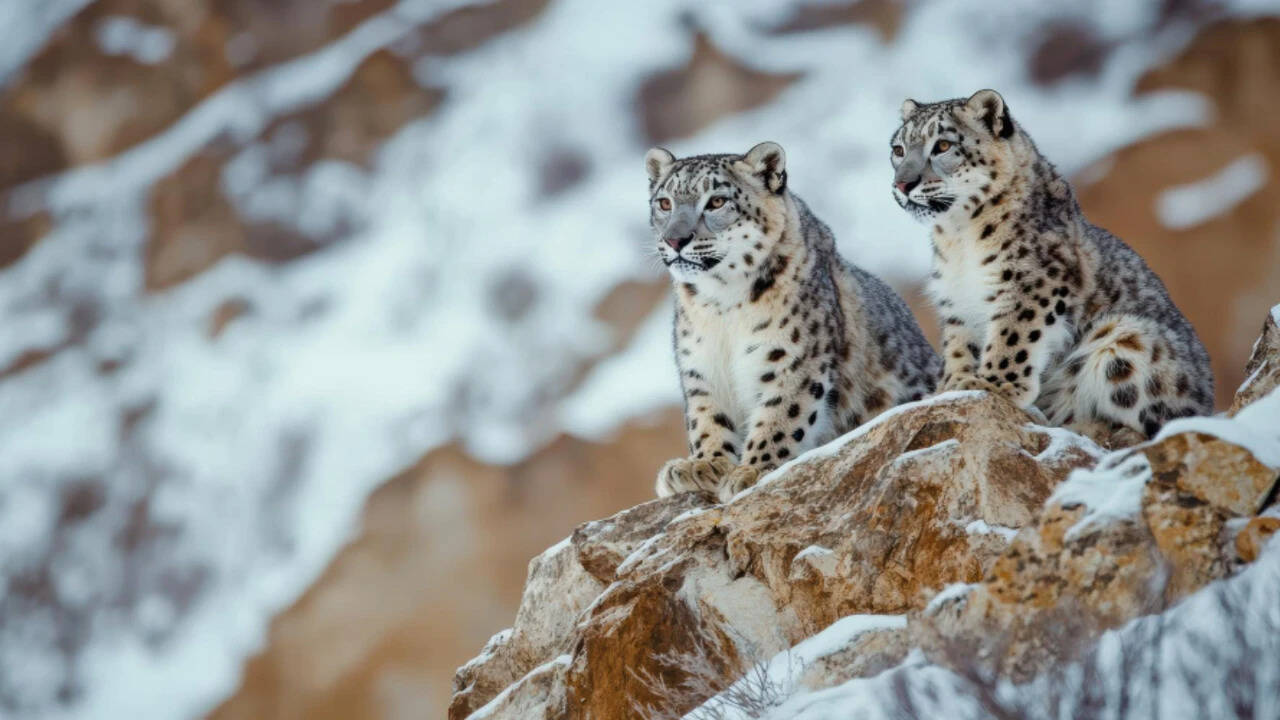
In a recent development, conservationists have expressed their opposition to the idea of conducting safaris in the snow leopard habitats of Ladakh. The proposal has been met with resistance due to concerns that such activities could disrupt the delicate ecosystem of the region.
The conservationists argue that Ladakh is not similar to Kaziranga, a famous wildlife sanctuary in Assam known for its one-horned rhinoceros conservation efforts. Kaziranga has a long history of tourism and conservation, with a well-established infrastructure to support both.
In contrast, Ladakh's snow leopard habitats are fragile and sensitive, requiring careful management to preserve the natural balance. The region's unique biodiversity and ecosystem are adapted to the harsh, high-altitude environment, and introducing safari activities could potentially harm the very species that conservation efforts aim to protect.
Ladakh is home to a significant population of snow leopards, which are an endangered species. The region's conservation efforts are focused on protecting these majestic animals and their habitats. However, the idea of safaris has sparked debate among conservationists, who believe that such activities could compromise the effectiveness of conservation efforts.
The snow leopard is an apex predator and plays a crucial role in maintaining the ecosystem balance in Ladakh. The species is adapted to the region's harsh climate and is an important part of the local biodiversity. However, human activities, such as tourism and infrastructure development, pose a significant threat to the snow leopard's survival.
Conservation efforts in Ladakh are focused on protecting the snow leopard and its habitats, as well as promoting sustainable tourism practices that do not harm the environment. The region's unique culture and natural beauty make it an attractive destination for tourists, but it is essential to ensure that tourism activities are managed responsibly to avoid harming the local ecosystem.
In conclusion, while the idea of safaris in Ladakh's snow leopard habitats may seem appealing, conservationists are right to express their concerns. The region's fragile ecosystem and sensitive biodiversity require careful management, and introducing safari activities could have unintended consequences. It is essential to prioritize conservation efforts and ensure that tourism activities are sustainable and responsible.
The debate surrounding safaris in Ladakh highlights the need for careful consideration and planning when it comes to conservation and tourism. The region's unique biodiversity and ecosystem must be protected, and any activities that could potentially harm the environment must be carefully evaluated. By prioritizing conservation and sustainable tourism practices, we can ensure the long-term protection of Ladakh's snow leopard habitats and the species that call them home.
What this means for Mumbai residents is that they should be aware of the conservation efforts being made in other parts of the country, such as Ladakh, and the importance of responsible tourism practices. As a major city, Mumbai has a significant impact on the environment, and its residents can play a crucial role in promoting sustainable tourism and conservation efforts.
Frequently asked questions
Why are conservationists opposing safari plans in Ladakh?
Conservationists are opposing safari plans in Ladakh because they believe it could disrupt the delicate ecosystem of the region and harm the snow leopard population.
How is Ladakh different from Kaziranga?
Ladakh is different from Kaziranga in terms of its fragile and sensitive ecosystem, which requires careful management to preserve the natural balance.