SpiceJet Loses 4 Boeing 737-MAX Aircraft
Irish lessors demand aircraft back, SpiceJet downplays impact
'%3E%3Crect%20width%3D'96'%20height%3D'96'%20fill%3D'%23B3261E'%2F%3E%3Ccircle%20cx%3D'30'%20cy%3D'24'%20r%3D'44'%20fill%3D'%23fff'%20opacity%3D'.12'%2F%3E%3Ccircle%20cx%3D'60'%20cy%3D'74'%20r%3D'40'%20fill%3D'%23000'%20opacity%3D'.10'%2F%3E%3C%2Fg%3E%3Cg%20fill%3D'%23fff'%3E%3Crect%20x%3D'29'%20y%3D'49'%20width%3D'8'%20height%3D'19'%20rx%3D'1'%2F%3E%3Crect%20x%3D'39'%20y%3D'40'%20width%3D'9'%20height%3D'28'%20rx%3D'1'%2F%3E%3Crect%20x%3D'50'%20y%3D'45'%20width%3D'8'%20height%3D'23'%20rx%3D'1'%2F%3E%3Crect%20x%3D'60'%20y%3D'53'%20width%3D'7'%20height%3D'15'%20rx%3D'1'%2F%3E%3Crect%20x%3D'41'%20y%3D'34'%20width%3D'5'%20height%3D'6'%2F%3E%3C%2Fg%3E%3C%2Fsvg%3E)
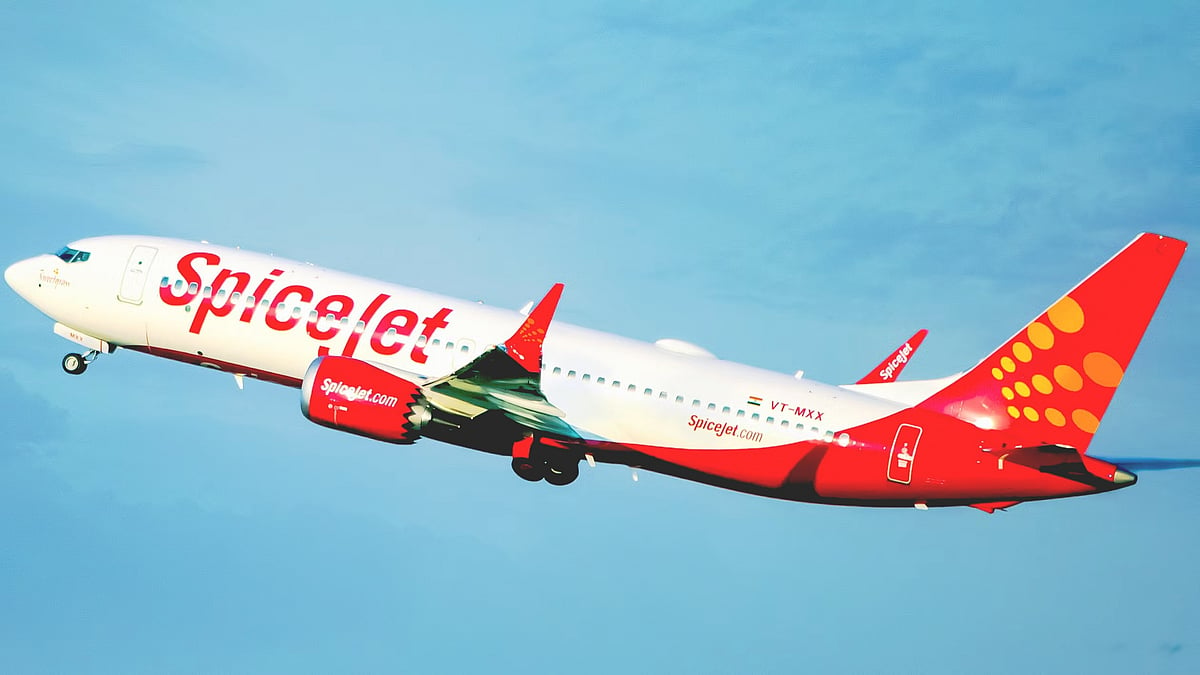
SpiceJet, the financially constrained carrier, has been dealt another blow as Dublin-based aircraft lessors have approached India's Directorate General of Civil Aviation (DGCA) to reclaim four Boeing 737 MAX 8 aircraft.
The lessors, Sky High LXXX Leasing Company Ltd and Sky High LXXVII Leasing Company Ltd, have filed requests under the Irrevocable Deregistration and Export Request Authorisation (IDERA) framework to urgently de-register and repossess the aircraft.
The specific aircraft facing export are registered as VT-MXA, VT-MXC, VT-MAX, and VT-MXB, with two grounded in Hyderabad and one each in Delhi and Amritsar. The IDERA mechanism allows lessors to bypass protracted legal battles and directly petition the national regulator to reclaim assets if an airline defaults on its contractual obligations.
SpiceJet has downplayed the impact, stating that all four aircraft have been grounded for a significant time due to high pressure turbine manufacturing issues with their engines. A SpiceJet spokesperson argued that the loss of the aircraft would not disrupt its current flight schedule, as they have been out of service for a considerable time.
The spokesperson added that the de-registration of these aircraft would eliminate lease rental costs on assets that have remained non-operational for a prolonged period. However, aviation analysts view the move as a significant psychological and strategic blow, as the four planes effectively clip SpiceJet's wings for future growth.
The lessor action underscores the severe fleet constraints that have plagued SpiceJet. According to data from Plame Spotters, the airline has been operating with a severely reduced active fleet, leaving dozens of planes parked due to maintenance issues, parts shortages, and cash flow constraints.
SpiceJet currently operates a nominal fleet of 21 aircraft, according to sources within the carrier. This prolonged fleet grounding has directly translated into a dramatic slide in domestic competitiveness, with SpiceJet's domestic market share shrinking into the low single digits, fluctuating between 3.4% and 3.9%.
The loss of these aircraft will likely have a significant impact on SpiceJet's ability to expand its operations and regain its market share. As the airline tries to execute a broader operational recovery, the removal of these vital avenues for capacity expansion will be a major setback.
In the context of the Indian aviation industry, SpiceJet's struggles are a significant concern. The airline's financial constraints and fleet grounding have led to a decline in its market share, allowing other carriers to gain ground. The Indian aviation market is highly competitive, and SpiceJet's inability to expand its operations will make it challenging for the airline to regain its position.
The IDERA mechanism has been used in the past to reclaim assets from airlines that have defaulted on their contractual obligations. In this case, the lessors have taken a proactive approach to reclaim their assets, highlighting the severity of SpiceJet's financial situation.
In conclusion, the loss of these four Boeing 737-MAX aircraft is a significant blow to SpiceJet, and the airline's ability to recover from this setback will be a major challenge. The Indian aviation industry is highly competitive, and SpiceJet's struggles will have a significant impact on the market.
The implications of this development are far-reaching, and it remains to be seen how SpiceJet will navigate this challenging situation. As the airline tries to regain its footing, it will be essential to monitor its progress and assess the impact on the Indian aviation industry as a whole.
For Mumbai residents, this development may have a significant impact on their travel plans, as SpiceJet is a major carrier operating out of the city's airports. The reduction in SpiceJet's fleet may lead to a decrease in the number of flights available, potentially affecting air travel in the region.
In the broader context, this development highlights the challenges faced by the Indian aviation industry, including financial constraints, fleet grounding, and intense competition. As the industry continues to evolve, it will be essential to address these challenges and ensure that airlines like SpiceJet can operate efficiently and effectively.
Ultimately, the loss of these four Boeing 737-MAX aircraft is a significant setback for SpiceJet, and the airline's ability to recover will depend on its ability to address its financial constraints and expand its operations. As the Indian aviation industry continues to grow and evolve, it will be essential to monitor SpiceJet's progress and assess the impact on the market as a whole.
The future of SpiceJet remains uncertain, and it will be challenging for the airline to regain its market share and expand its operations. However, with the right strategy and support, it is possible for SpiceJet to recover from this setback and regain its position in the Indian aviation market.
In the coming months, it will be essential to monitor SpiceJet's progress and assess the impact of this development on the Indian aviation industry. As the airline navigates this challenging situation, it will be crucial to address the underlying issues and ensure that SpiceJet can operate efficiently and effectively.
The Indian aviation industry is a critical component of the country's economy, and the challenges faced by SpiceJet are a significant concern. As the industry continues to evolve, it will be essential to address these challenges and ensure that airlines like SpiceJet can operate efficiently and effectively.
In conclusion, the loss of these four Boeing 737-MAX aircraft is a significant blow to SpiceJet, and the airline's ability to recover from this setback will be a major challenge. The Indian aviation industry is highly competitive, and SpiceJet's struggles will have a significant impact on the market. As the airline tries to regain its footing, it will be essential to monitor its progress and assess the impact on the Indian aviation industry as a whole.