GenZ Exposed to Fake Content on Social Media
GenZ vulnerable to fake online propaganda, algorithm-driven feeds a concern
'%3E%3Crect%20width%3D'96'%20height%3D'96'%20fill%3D'%23B3261E'%2F%3E%3Ccircle%20cx%3D'30'%20cy%3D'24'%20r%3D'44'%20fill%3D'%23fff'%20opacity%3D'.12'%2F%3E%3Ccircle%20cx%3D'60'%20cy%3D'74'%20r%3D'40'%20fill%3D'%23000'%20opacity%3D'.10'%2F%3E%3C%2Fg%3E%3Cg%20fill%3D'%23fff'%3E%3Crect%20x%3D'29'%20y%3D'49'%20width%3D'8'%20height%3D'19'%20rx%3D'1'%2F%3E%3Crect%20x%3D'39'%20y%3D'40'%20width%3D'9'%20height%3D'28'%20rx%3D'1'%2F%3E%3Crect%20x%3D'50'%20y%3D'45'%20width%3D'8'%20height%3D'23'%20rx%3D'1'%2F%3E%3Crect%20x%3D'60'%20y%3D'53'%20width%3D'7'%20height%3D'15'%20rx%3D'1'%2F%3E%3Crect%20x%3D'41'%20y%3D'34'%20width%3D'5'%20height%3D'6'%2F%3E%3C%2Fg%3E%3C%2Fsvg%3E)
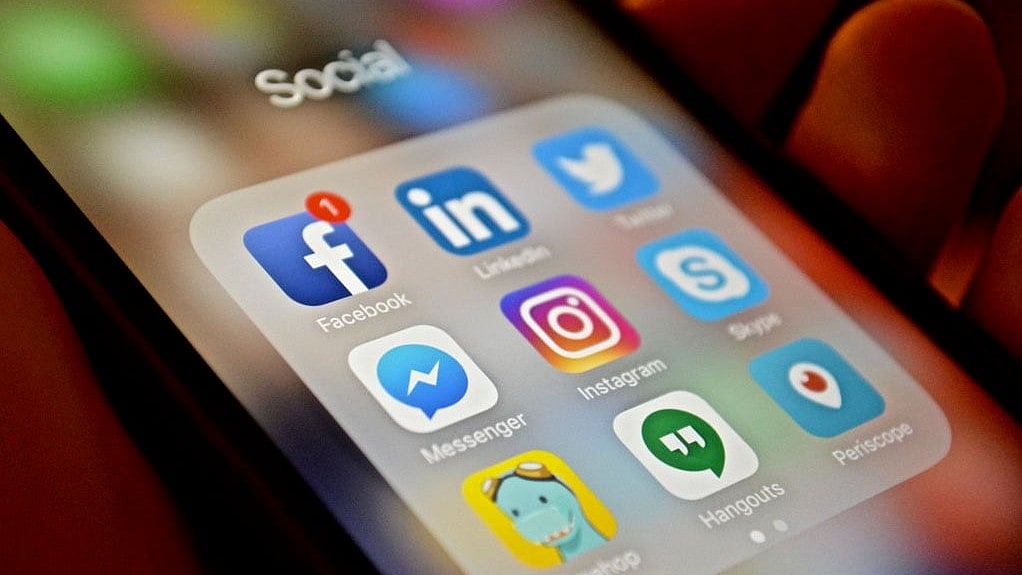
A significant portion of India's population, approximately 407 million people between the ages of 14 and 29, are part of GenZ. This demographic constitutes a crucial voter base for the coming decades. However, their extensive use of social media poses a risk of being influenced by fake online propaganda.
According to a study by IIM Rohtak, nearly 39,000 respondents aged between 18 and 25 years spent an average of seven hours daily on their screens, with a substantial portion of this time devoted to social platforms.
The content that reaches these young people is not a neutral reflection of reality, but rather a curated feed designed to maximize engagement. Algorithm-driven social media platforms prioritize content that will keep users scrolling longer, allowing for more advertisements to be sold.
Lt Gen (retired) Abhay Krishna notes that these platforms are not neutral mirrors of reality, but rather tools designed to maximize engagement, often rewarding outrage, polarization, and emotionally charged content. This can distort public debate, suppress inconvenient information, and even intensify real-world political violence.
The Twitter Files and related disclosures in the US have raised concerns that platform decisions are influenced by internal policies and outside government pressure, rather than simply moderating information. Meta has faced similar criticism, with its systems accused of amplifying harmful content for engagement, particularly in places like Myanmar where Facebook's recommendation engine helped spread anti-Rohingya hate.
The technology of mass emotional steering has been operational for over a decade, with visible impacts during the Arab Spring and more recently in Nepal, where a government ban on major social platforms triggered a rapid GenZ uprising organized through TikTok, Discord, and other accessible channels.
The use of algorithm-driven social media feeds has significant implications for the dissemination of information and the potential for manipulation. As GenZ continues to grow and become a more influential demographic, it is essential to consider the impact of these platforms on their perceptions and understanding of reality.
In conclusion, the exposure of GenZ to fake content on social media is a pressing concern that requires attention and action. The manipulation of information and the amplification of harmful content can have severe consequences, and it is crucial to address these issues to ensure a more informed and critically thinking population.
Frequently asked questions
What percentage of India's population is part of GenZ?
Approximately 28% of the national population, or around 407 million people.
How much time do young people spend on social media daily?
According to a study by IIM Rohtak, nearly 39,000 respondents aged between 18 and 25 years spent an average of seven hours daily on their screens, with a substantial portion of this time devoted to social platforms.