Meta Agrees To $16 Billion Settlement Over Teen Safety Lawsuit
Meta to pay $16 billion, introduce 2-hour daily usage limit for kids under 18.
'%3E%3Crect%20width%3D'96'%20height%3D'96'%20fill%3D'%231B5E20'%2F%3E%3Ccircle%20cx%3D'30'%20cy%3D'24'%20r%3D'44'%20fill%3D'%23fff'%20opacity%3D'.12'%2F%3E%3Ccircle%20cx%3D'60'%20cy%3D'74'%20r%3D'40'%20fill%3D'%23000'%20opacity%3D'.10'%2F%3E%3C%2Fg%3E%3Cg%3E%3Ccircle%20cx%3D'48'%20cy%3D'48'%20r%3D'15'%20fill%3D'%23fff'%2F%3E%3Cpath%20d%3D'M43%2034%20Q50%2048%2043%2062'%20fill%3D'none'%20stroke%3D'%238a94a6'%20stroke-width%3D'2.4'%2F%3E%3Cpath%20d%3D'M47%2033%20Q54%2048%2047%2063'%20fill%3D'none'%20stroke%3D'%238a94a6'%20stroke-width%3D'1.8'%20stroke-dasharray%3D'1.5%203'%2F%3E%3C%2Fg%3E%3C%2Fsvg%3E)
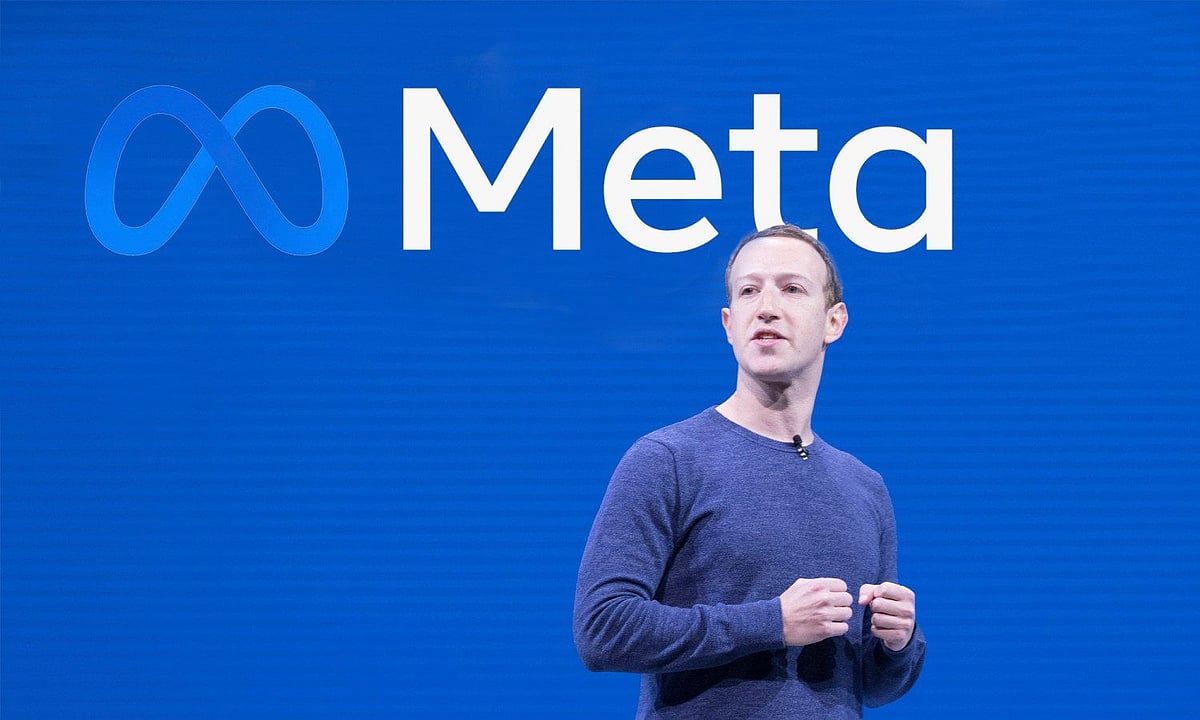
Meta has agreed to pay $16 billion to settle a landmark lawsuit brought by a coalition of state attorneys general, who accused the company of designing Instagram and Facebook to be addictive to children and teenagers. The lawsuit, filed in 2023, argued that Meta built and rolled out features that encouraged compulsive use among young people, harming their mental and physical health.
The attorneys general further alleged that the company misled users, families and the public about the extent of these risks, and that it unlawfully collected data from children under 13, in violation of laws including the Children's Online Privacy Protection Act. The trial in the case began on August 18 in the US District Court for the Northern District of California.
Under the deal, Meta will pay states roughly $16 billion over ten years, with California alone expected to receive between $1.5 billion and $2.1 billion. The payout structure and new restrictions for teens are designed to intensify if other platforms sign on to similar commitments. For instance, the payout ceiling and the restrictions on minors tighten if YouTube, TikTok and Snap adopt comparable measures.
On the product side, Meta must introduce a default two-hour daily time limit for users under 18 across Facebook and Instagram, which can only be lifted with parental consent, along with a default overnight block between midnight and 6 am. That limit could shrink to one hour, and the overnight block could widen, if rival platforms fall in line.
The settlement also requires Meta to switch off notifications to under-18 users by default during nighttime hours and the school day, hide 'like' and reaction counts on posts by minors, ban cosmetic-surgery-style image filters for young users, and offer teens the option of a non-personalised feed that isn't algorithmically curated. Meta must strengthen its age-verification systems to detect underage users, expand parental supervision tools, and bring on an independent auditor with wide access to the company's information and resources.
The company will also be barred by injunction from making further misleading statements about its safety features. Meta did not admit wrongdoing as part of the settlement. Chief legal officer CJ Mahoney called the framework groundbreaking, saying it would help parents manage their children's platform access, but added that its impact depends on other social media companies adopting the same standards.
The settlement is a significant development in the ongoing debate about the impact of social media on children and teenagers. It highlights the need for social media companies to prioritize the safety and well-being of their young users. The introduction of a default two-hour daily time limit and other safeguards is a step in the right direction, but it remains to be seen whether other platforms will follow suit.
The settlement also raises questions about the role of social media companies in regulating their own content and protecting their users. While Meta has agreed to introduce new safeguards, it is unclear whether these measures will be effective in reducing the risks associated with social media use. Ultimately, the settlement is a reminder that social media companies have a responsibility to prioritize the safety and well-being of their users, particularly children and teenagers.
In conclusion, the $16 billion settlement between Meta and the coalition of state attorneys general is a significant development in the ongoing debate about the impact of social media on children and teenagers. The introduction of new safeguards and restrictions on social media use is a step in the right direction, but it remains to be seen whether other platforms will follow suit. The settlement highlights the need for social media companies to prioritize the safety and well-being of their young users and to take responsibility for regulating their own content.
Frequently asked questions
What is the purpose of the $16 billion settlement between Meta and the coalition of state attorneys general?
The settlement is intended to address the allegations that Meta designed Instagram and Facebook to be addictive to children and teenagers, and to introduce new safeguards to protect young users.
What are the new restrictions on social media use introduced by Meta as part of the settlement?
Meta will introduce a default two-hour daily time limit for users under 18 across Facebook and Instagram, which can only be lifted with parental consent, along with a default overnight block between midnight and 6 am.