US Court Blocks $100,000 H-1B Visa Fee
US appeals court refuses to revive H-1B visa fee, rules it unlawful.
'%3E%3Crect%20width%3D'96'%20height%3D'96'%20fill%3D'%234A235A'%2F%3E%3Ccircle%20cx%3D'30'%20cy%3D'24'%20r%3D'44'%20fill%3D'%23fff'%20opacity%3D'.12'%2F%3E%3Ccircle%20cx%3D'60'%20cy%3D'74'%20r%3D'40'%20fill%3D'%23000'%20opacity%3D'.10'%2F%3E%3C%2Fg%3E%3Cg%20fill%3D'none'%20stroke%3D'%23fff'%20stroke-width%3D'3'%3E%3Ccircle%20cx%3D'48'%20cy%3D'48'%20r%3D'16'%2F%3E%3Cellipse%20cx%3D'48'%20cy%3D'48'%20rx%3D'6.5'%20ry%3D'16'%2F%3E%3Cline%20x1%3D'32'%20y1%3D'42'%20x2%3D'64'%20y2%3D'42'%2F%3E%3Cline%20x1%3D'32'%20y1%3D'54'%20x2%3D'64'%20y2%3D'54'%2F%3E%3C%2Fg%3E%3C%2Fsvg%3E)
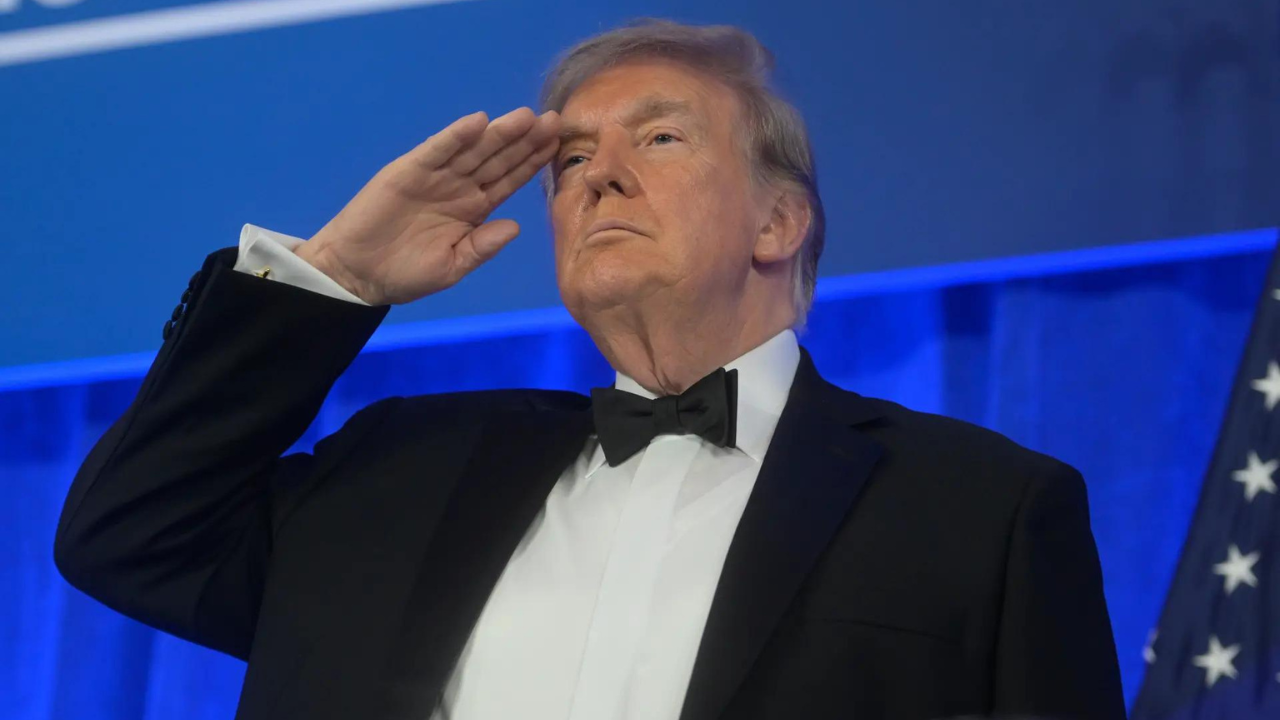
A federal appeals court in the United States has refused to lift a ruling that blocks a $100,000 fee for H-1B visas. This decision comes as a setback for the Trump administration, which had introduced the fee as part of its immigration policies.
The court's decision leaves in place a lower court ruling that found the fee to be unlawful. The lower court had agreed with Democratic attorneys general who argued that the administration had created a new tax without receiving approval from Congress.
The attorneys general had challenged the fee, stating that it exceeded the executive branch's authority. The district judge who initially heard the case ruled in favor of the attorneys general, finding that the fee was indeed unlawful.
The appellate panel that heard the government's appeal of the decision stated that the government had not shown it was likely to prevail in the case. This means that the government did not provide sufficient evidence to convince the court that its argument was strong enough to overturn the lower court's ruling.
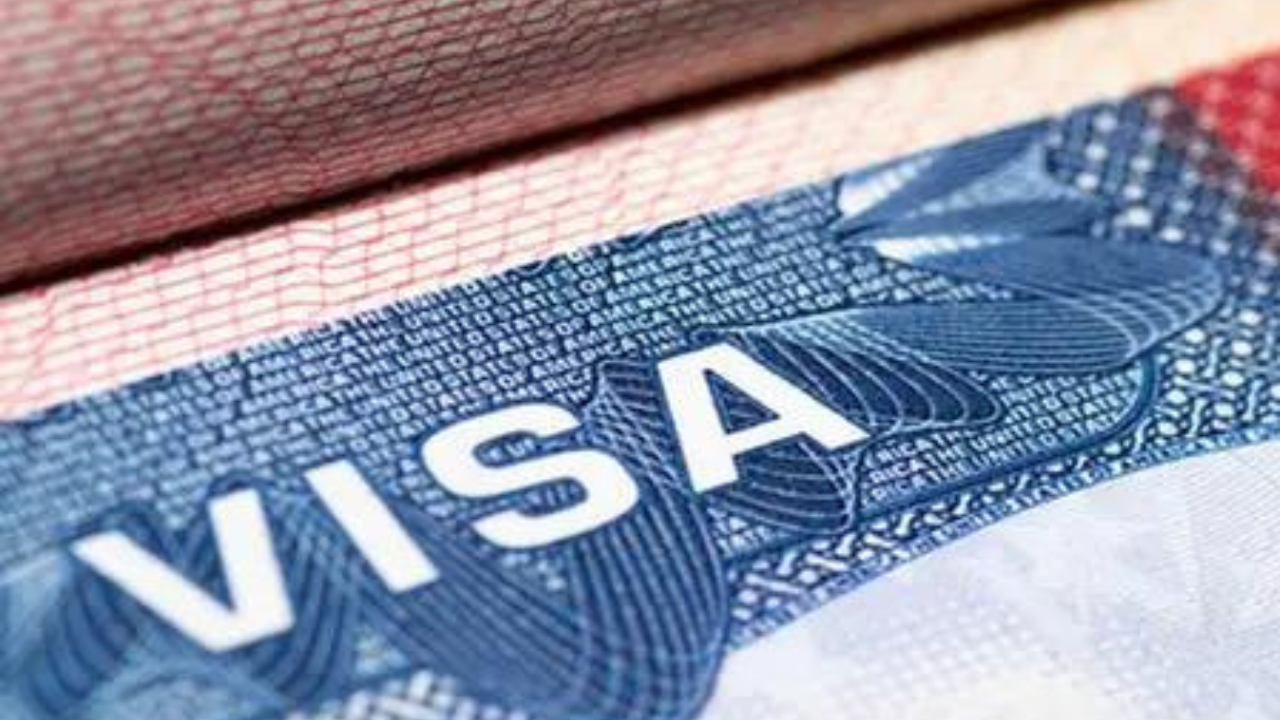
The H-1B visa is a type of non-immigrant visa that allows US companies to employ foreign workers in specialty occupations. The visa is highly sought after, particularly by technology companies that rely on foreign talent to fill skilled positions.
The introduction of the $100,000 fee was seen as a way to discourage companies from hiring foreign workers and to encourage them to hire American workers instead. However, the fee was met with opposition from companies and immigration advocates who argued that it would harm the US economy and make it harder for companies to find the talent they need.
The court's decision is a significant setback for the Trump administration's immigration policies. The administration had argued that the fee was necessary to fund various immigration-related programs and to help reduce the deficit. However, the court's ruling means that the fee will not be implemented, at least for now.
The decision is also a victory for Democratic attorneys general who had challenged the fee. The attorneys general had argued that the administration had overstepped its authority by introducing the fee without congressional approval.
In the broader context, the court's decision highlights the ongoing debate over immigration policies in the United States. The Trump administration has introduced several policies aimed at reducing immigration and encouraging companies to hire American workers. However, these policies have been met with opposition from companies, immigration advocates, and Democratic lawmakers.
The decision is likely to have significant implications for US companies that rely on H-1B visas to hire foreign workers. It may also impact the US economy, as companies may be able to hire more foreign workers without having to pay the hefty fee.
In conclusion, the US appeals court's decision to block the $100,000 H-1B visa fee is a significant development in the ongoing debate over immigration policies in the United States. The decision highlights the importance of congressional approval for new taxes and fees, and it may have significant implications for US companies and the US economy.
Frequently asked questions
What is the H-1B visa fee and why was it introduced?
The H-1B visa fee is a $100,000 fee introduced by the Trump administration as part of its immigration policies. It was intended to discourage companies from hiring foreign workers and encourage them to hire American workers instead.
Why did the court rule the H-1B visa fee unlawful?
The court ruled the fee unlawful because it was introduced without congressional approval, exceeding the executive branch's authority.