New Zealand Eradicates 200,000 Mice from Antipodes Island
Mice removal boosts native bird populations. Recovery seen in pipit and snipe numbers.
'%3E%3Crect%20width%3D'96'%20height%3D'96'%20fill%3D'%231B5E20'%2F%3E%3Ccircle%20cx%3D'30'%20cy%3D'24'%20r%3D'44'%20fill%3D'%23fff'%20opacity%3D'.12'%2F%3E%3Ccircle%20cx%3D'60'%20cy%3D'74'%20r%3D'40'%20fill%3D'%23000'%20opacity%3D'.10'%2F%3E%3C%2Fg%3E%3Cg%3E%3Ccircle%20cx%3D'48'%20cy%3D'48'%20r%3D'15'%20fill%3D'%23fff'%2F%3E%3Cpath%20d%3D'M43%2034%20Q50%2048%2043%2062'%20fill%3D'none'%20stroke%3D'%238a94a6'%20stroke-width%3D'2.4'%2F%3E%3Cpath%20d%3D'M47%2033%20Q54%2048%2047%2063'%20fill%3D'none'%20stroke%3D'%238a94a6'%20stroke-width%3D'1.8'%20stroke-dasharray%3D'1.5%203'%2F%3E%3C%2Fg%3E%3C%2Fsvg%3E)
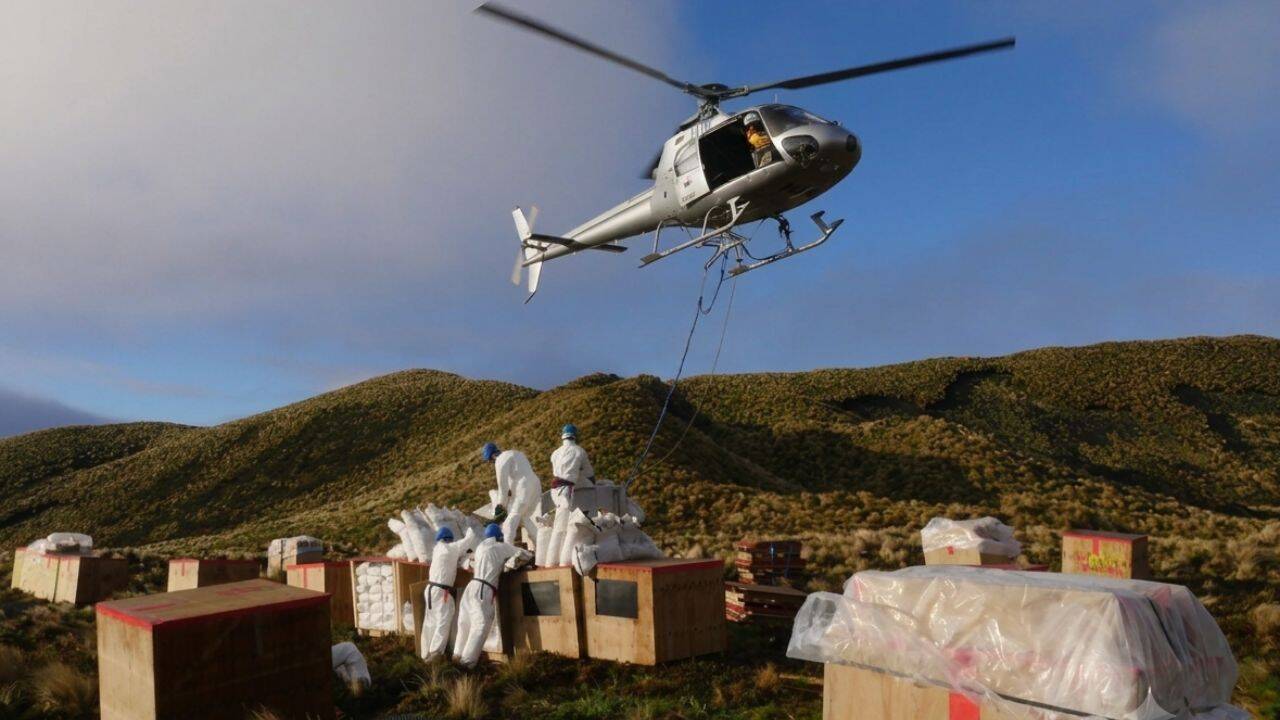
New Zealand's conservation efforts have yielded a significant success story with the eradication of an estimated 200,000 mice from Antipodes Island in 2016. This initiative has led to a notable recovery in the native bird populations on the island.
Monitoring efforts confirmed that the mice were completely removed by 2018. Subsequent surveys conducted over the next six years revealed a substantial increase in the numbers of Antipodes Island pipit and snipe, with populations more than doubling.
The removal of invasive species like mice is crucial for the conservation of native wildlife. Mice can cause significant harm to ecosystems by preying on native birds and their eggs, as well as competing with them for food and resources.
Antipodes Island, located in the southern ocean, is a remote and uninhabited island that is home to a unique and diverse range of flora and fauna. The island's native bird species, including the Antipodes Island pipit and snipe, are found nowhere else in the world and are therefore of high conservation value.
The success of the mouse eradication program on Antipodes Island demonstrates the effectiveness of targeted conservation efforts in protecting native species and restoring ecosystems. This achievement serves as a model for similar conservation initiatives elsewhere.
The recovery of native bird populations on Antipodes Island is a testament to the power of conservation efforts. The increase in pipit and snipe numbers is a positive indicator of the island's ecosystem health and highlights the importance of continued conservation work.
New Zealand's Department of Conservation has been instrumental in the mouse eradication program and ongoing conservation efforts on Antipodes Island. The department's work has been supported by various partners and stakeholders who share a common goal of protecting New Zealand's unique and fragile ecosystems.
In conclusion, the eradication of mice from Antipodes Island has had a profoundly positive impact on the island's native bird populations. This success story underscores the importance of conservation efforts and serves as a reminder of the need to protect our planet's precious and unique ecosystems.
The conservation of native species and ecosystems is an ongoing challenge that requires continued effort and dedication. The story of Antipodes Island serves as a beacon of hope and a reminder that, with targeted conservation efforts, it is possible to restore and protect the natural world.
The success of the mouse eradication program on Antipodes Island will likely have a lasting impact on the island's ecosystem and will serve as a model for future conservation initiatives. As the world continues to face the challenges of invasive species and ecosystem degradation, the story of Antipodes Island offers a powerful reminder of the importance of conservation and the need to protect our planet's unique and fragile ecosystems.
In the context of global conservation efforts, the eradication of mice from Antipodes Island is a significant achievement. It highlights the importance of targeted and sustained conservation efforts in protecting native species and restoring ecosystems. The success of this program will likely inspire similar initiatives elsewhere and will serve as a reminder of the power of conservation to restore and protect the natural world.
The recovery of native bird populations on Antipodes Island is a significant milestone in the conservation of New Zealand's unique and fragile ecosystems. It demonstrates the effectiveness of conservation efforts and serves as a reminder of the need to continue protecting our planet's precious ecosystems.
The story of Antipodes Island serves as a powerful reminder of the importance of conservation and the need to protect our planet's unique and fragile ecosystems. The eradication of mice from the island has had a profoundly positive impact on the native bird populations and will likely have a lasting impact on the island's ecosystem.
In terms of significance, the eradication of mice from Antipodes Island is a major conservation success story. It highlights the importance of targeted conservation efforts and serves as a model for similar initiatives elsewhere. The recovery of native bird populations on the island is a testament to the power of conservation and underscores the need to continue protecting our planet's precious ecosystems.
The conservation of native species and ecosystems is an ongoing challenge that requires continued effort and dedication. The story of Antipodes Island serves as a beacon of hope and a reminder that, with targeted conservation efforts, it is possible to restore and protect the natural world. The success of the mouse eradication program on Antipodes Island will likely inspire similar initiatives elsewhere and will serve as a reminder of the importance of conservation in protecting our planet's unique and fragile ecosystems.
The eradication of mice from Antipodes Island has significant implications for the conservation of native species and ecosystems. It highlights the importance of targeted conservation efforts and serves as a model for similar initiatives elsewhere. The recovery of native bird populations on the island is a testament to the power of conservation and underscores the need to continue protecting our planet's precious ecosystems.
The story of Antipodes Island is a powerful reminder of the importance of conservation and the need to protect our planet's unique and fragile ecosystems. The eradication of mice from the island has had a profoundly positive impact on the native bird populations and will likely have a lasting impact on the island's ecosystem. The success of the mouse eradication program on Antipodes Island serves as a model for similar conservation initiatives elsewhere and will inspire continued efforts to protect our planet's precious ecosystems.
The conservation of native species and ecosystems is an ongoing challenge that requires continued effort and dedication. The story of Antipodes Island serves as a beacon of hope and a reminder that, with targeted conservation efforts, it is possible to restore and protect the natural world. The eradication of mice from Antipodes Island is a significant achievement that will likely have a lasting impact on the island's ecosystem and will serve as a model for future conservation initiatives.
The success of the mouse eradication program on Antipodes Island is a testament to the power of conservation efforts. The recovery of native bird populations on the island is a positive indicator of the island's ecosystem health and highlights the importance of continued conservation work. The story of Antipodes Island serves as a powerful reminder of the importance of conservation and the need to protect our planet's unique and fragile ecosystems.
In conclusion, the eradication of mice from Antipodes Island has had a profoundly positive impact on the island's native bird populations. The success of the mouse eradication program serves as a model for similar conservation initiatives elsewhere and will inspire continued efforts to protect our planet's precious ecosystems. The conservation of native species and ecosystems is an ongoing challenge that requires continued effort and dedication, but the story of Antipodes Island offers a powerful reminder of the importance of conservation and the need to protect our planet's unique and fragile ecosystems.
The eradication of mice from Antipodes Island is a significant conservation success story that highlights the importance of targeted conservation efforts. The recovery of native bird populations on the island is a testament to the power of conservation and underscores the need to continue protecting our planet's precious ecosystems. The story of Antipodes Island serves as a beacon of hope and a reminder that, with targeted conservation efforts, it is possible to restore and protect the natural world.
The success of the mouse eradication program on Antipodes Island will likely have a lasting impact on the island's ecosystem and will serve as a model for future conservation initiatives. The conservation of native species and ecosystems is an ongoing challenge that requires continued effort and dedication, but the story of Antipodes Island offers a powerful reminder of the importance of conservation and the need to protect our planet's unique and fragile ecosystems.
The eradication of mice from Antipodes Island has significant implications for the conservation of native species and ecosystems. The recovery of native bird populations on the island is a positive indicator of the island's ecosystem health and highlights the importance of continued conservation work. The story of Antipodes Island serves as a powerful reminder of the importance of conservation and the need to protect our planet's unique and fragile ecosystems.
The conservation of native species and ecosystems is an ongoing challenge that requires continued effort and dedication. The story of Antipodes Island serves as a beacon of hope and a reminder that, with targeted conservation efforts, it is possible to restore and protect the natural world. The success of the mouse eradication program on Antipodes Island is a significant achievement that will likely have a lasting impact on the island's ecosystem and will serve as a model for future conservation initiatives.
The eradication of mice from Antipodes Island is a significant conservation success story that highlights the importance of targeted conservation efforts. The recovery of native bird populations on the island is a testament to the power of conservation and underscores the need to continue protecting our planet's precious ecosystems. The story of Antipodes Island serves as a powerful reminder of the importance of conservation and the need to protect our planet's unique and fragile ecosystems.
What it means for the environment and conservation is that targeted efforts can lead to significant positive outcomes. The eradication of invasive species like mice can have a profound impact on native ecosystems, allowing native species to thrive and recover. This success story serves as a model for similar conservation initiatives elsewhere and highlights the importance of continued conservation work to protect our planet's precious ecosystems.
Frequently asked questions
What was the outcome of the mouse eradication program on Antipodes Island?
The program was successful, with the mice being completely removed by 2018 and native bird populations recovering and increasing in numbers.
What is the significance of the Antipodes Island mouse eradication program?
The program is a significant conservation success story that highlights the importance of targeted conservation efforts and serves as a model for similar initiatives elsewhere.