
RBI Introduces New Rules for Loan Interest Rates
New RBI rules to standardise loan rates, end tinkering. Loan interest rates to be transparent.
'%3E%3Crect%20width%3D'96'%20height%3D'96'%20fill%3D'%230B6E4F'%2F%3E%3Ccircle%20cx%3D'30'%20cy%3D'24'%20r%3D'44'%20fill%3D'%23fff'%20opacity%3D'.12'%2F%3E%3Ccircle%20cx%3D'60'%20cy%3D'74'%20r%3D'40'%20fill%3D'%23000'%20opacity%3D'.10'%2F%3E%3C%2Fg%3E%3Cg%20fill%3D'none'%20stroke%3D'%23fff'%20stroke-width%3D'3.2'%20stroke-linecap%3D'round'%20stroke-linejoin%3D'round'%3E%3Cpolyline%20points%3D'31%2C59%2041%2C49%2049%2C54%2063%2C37'%2F%3E%3Cpolyline%20points%3D'55%2C37%2063%2C37%2063%2C45'%2F%3E%3C%2Fg%3E%3C%2Fsvg%3E)
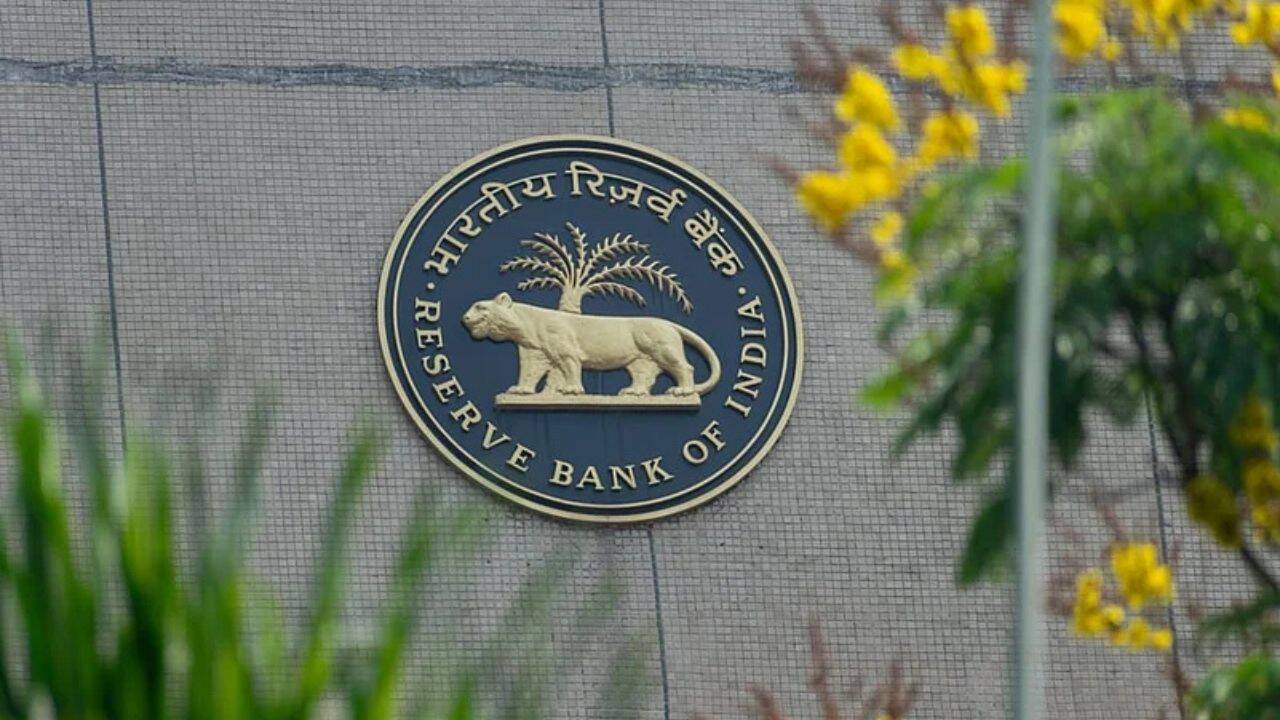
The Reserve Bank of India (RBI) has introduced new rules to standardise loan interest rates across banks and non-banking financial companies (NBFCs). This move aims to bring transparency and fairness to the loan market, ending the practice of tinkering with loan spreads.
The RBI has been working to standardise rate setting across all lenders, ensuring that borrowers are not taken advantage of by unfair interest rates. The new rules will require lenders to follow a standardised approach to setting loan interest rates, making it easier for borrowers to compare rates and make informed decisions.
The move is expected to increase transparency and reduce the risk of borrowers being exploited by lenders. It will also promote competition among lenders, driving down interest rates and making loans more affordable for consumers.
The RBI's decision to standardise loan interest rates is part of its efforts to regulate the banking and NBFC sector. The central bank has been taking steps to strengthen the regulatory framework, ensuring that lenders operate in a fair and transparent manner.
The new rules will apply to all banks and NBFCs, including public sector banks, private sector banks, and foreign banks operating in India. The RBI will monitor the implementation of the new rules and take necessary steps to ensure compliance.
The standardisation of loan interest rates is expected to have a positive impact on the economy, as it will make loans more affordable and increase access to credit for consumers and businesses. It will also promote financial inclusion, as more people will have access to fair and transparent loan products.
The RBI's move is a significant step towards creating a more transparent and fair loan market in India. It will help to build trust among borrowers and promote a more competitive and efficient lending ecosystem.
In recent years, the RBI has taken several steps to regulate the banking and NBFC sector, including the introduction of new guidelines for lending and the strengthening of regulatory frameworks. The standardisation of loan interest rates is the latest move in this direction, and it is expected to have a significant impact on the loan market in India.
The new rules will come into effect soon, and lenders will be required to comply with the new regulations. The RBI will continue to monitor the loan market and take necessary steps to ensure that lenders operate in a fair and transparent manner.
The standardisation of loan interest rates is a welcome move, as it will promote transparency and fairness in the loan market. It will also help to build trust among borrowers and promote a more competitive and efficient lending ecosystem.
In conclusion, the RBI's decision to standardise loan interest rates is a significant step towards creating a more transparent and fair loan market in India. It will have a positive impact on the economy, making loans more affordable and increasing access to credit for consumers and businesses.
Frequently asked questions
What is the purpose of the new RBI rules for loan interest rates?
The purpose of the new rules is to standardise loan interest rates across banks and NBFCs, promoting transparency and fairness in the loan market.
Which lenders will be affected by the new rules?
The new rules will apply to all banks and NBFCs, including public sector banks, private sector banks, and foreign banks operating in India.