Mumbai Court Grants Bail to 7 TISS Students, Rejects 2
Mumbai Sessions Court grants anticipatory bail to 7 TISS students, rejects 2. Students were booked for gathering to pay homage to G N Saibaba.
'%3E%3Crect%20width%3D'96'%20height%3D'96'%20fill%3D'%23B3261E'%2F%3E%3Ccircle%20cx%3D'30'%20cy%3D'24'%20r%3D'44'%20fill%3D'%23fff'%20opacity%3D'.12'%2F%3E%3Ccircle%20cx%3D'60'%20cy%3D'74'%20r%3D'40'%20fill%3D'%23000'%20opacity%3D'.10'%2F%3E%3C%2Fg%3E%3Cg%20fill%3D'%23fff'%3E%3Crect%20x%3D'29'%20y%3D'49'%20width%3D'8'%20height%3D'19'%20rx%3D'1'%2F%3E%3Crect%20x%3D'39'%20y%3D'40'%20width%3D'9'%20height%3D'28'%20rx%3D'1'%2F%3E%3Crect%20x%3D'50'%20y%3D'45'%20width%3D'8'%20height%3D'23'%20rx%3D'1'%2F%3E%3Crect%20x%3D'60'%20y%3D'53'%20width%3D'7'%20height%3D'15'%20rx%3D'1'%2F%3E%3Crect%20x%3D'41'%20y%3D'34'%20width%3D'5'%20height%3D'6'%2F%3E%3C%2Fg%3E%3C%2Fsvg%3E)
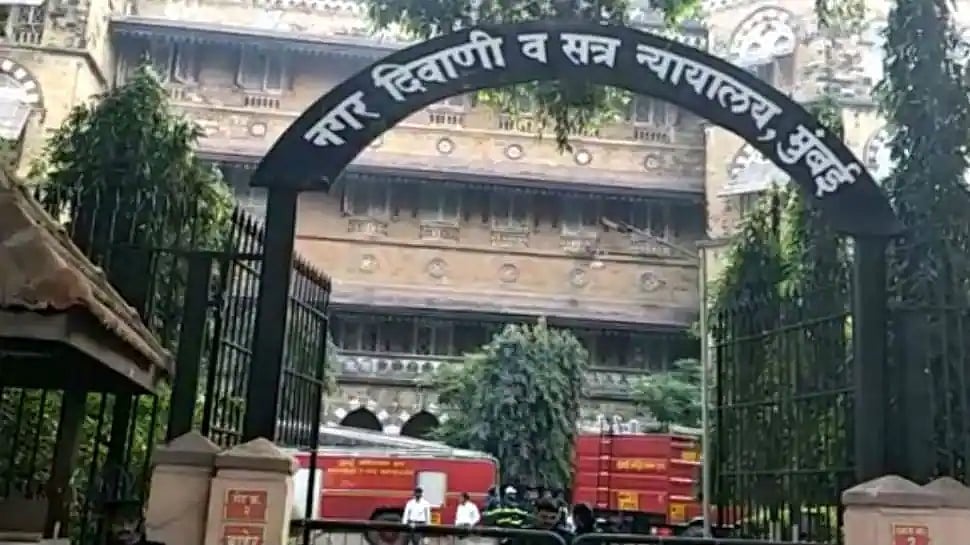
A Mumbai Sessions Court has granted anticipatory bail to seven students of the Tata Institute of Social Sciences (TISS) who were booked for allegedly gathering to pay homage to late activist G N Saibaba. The students, Uttkarsh Khuntia, Yash Kaundilya, Avantika, Ishpreet Kaur, Nikita Monica Dsouza, Hardika Bhagat, and Satyam Yadav, were allowed to go free.
However, the court rejected the anticipatory bail pleas of two other students, Kamakhya Das and Abhirup Paul. The court observed that the conduct of these two students raised doubts, as they had allegedly used the words 'Rest in Power (1967–Forever)' while paying homage to Saibaba. The court also noted that electronic gadgets seized from Das and Paul contained copies of books published by members of the Communist Party of India (Maoist).
The students were booked on a complaint filed by the TISS administration, which stated that a group of 10 to 12 students had gathered in front of a hostel on the TISS campus without prior permission. They allegedly paid homage to Saibaba by lighting candles near his photograph, reading his poems, and displaying a message. The students also allegedly raised slogans demanding the release of Umar Khalid and Sharjeel Imam.
The court said that while downloading books published by a Maoist organisation would not amount to an offence, the books in question were reportedly capable of instigating or aiding the division of India. The court felt that custodial interrogation of Das was necessary to ascertain her intention in downloading those books and raising slogans for the release of two persons.
The TISS administration had filed a complaint against the students on October 12, 2025, after they gathered without permission. The students were booked under various sections of the Indian Penal Code.
The case has sparked debate about the freedom of expression and the limits of dissent on university campuses. The TISS administration has been criticized for filing a complaint against the students, while the students have argued that they were simply exercising their right to free speech.
The Mumbai Sessions Court's decision is seen as a significant development in the case, as it highlights the importance of balancing individual freedoms with the need to maintain public order. The court's observation that the conduct of the two students raised doubts is likely to be seen as a warning to students to be cautious when expressing their opinions.
The case is also significant because it involves the Communist Party of India (Maoist), which is a banned organisation in India. The court's decision to reject the bail pleas of the two students who had allegedly downloaded books published by the organisation suggests that the court is taking a tough stance on activities that could be seen as supporting or promoting the organisation.
In conclusion, the Mumbai Sessions Court's decision to grant anticipatory bail to seven TISS students while rejecting the pleas of two others is a significant development in the case. The decision highlights the importance of balancing individual freedoms with the need to maintain public order and raises questions about the limits of dissent on university campuses.
The case is likely to have implications for the freedom of expression on university campuses and the limits of dissent. It is also likely to spark debate about the role of the state in regulating student activism and the importance of protecting individual freedoms.
The Mumbai Sessions Court's decision is a reminder that the freedom of expression is not absolute and that there are limits to what can be said and done. However, it is also important to remember that the freedom of expression is a fundamental right that must be protected and that students must be allowed to express their opinions without fear of persecution.
In the end, the decision of the Mumbai Sessions Court is a significant development in the case and highlights the importance of balancing individual freedoms with the need to maintain public order. It is likely to have implications for the freedom of expression on university campuses and the limits of dissent.
Frequently asked questions
Why were the TISS students booked?
The students were booked for allegedly gathering to pay homage to late activist G N Saibaba and raising slogans demanding the release of Umar Khalid and Sharjeel Imam.
What was the reason for rejecting the bail pleas of two students?
The court rejected the bail pleas of two students because their conduct raised doubts, and they had allegedly downloaded books published by the Communist Party of India (Maoist).