Youth-Led Protests Force Government To Accept Demands
CJP protests succeed, government yields to demands. Youth unemployment and corruption key issues.
'%3E%3Crect%20width%3D'96'%20height%3D'96'%20fill%3D'%231A5276'%2F%3E%3Ccircle%20cx%3D'30'%20cy%3D'24'%20r%3D'44'%20fill%3D'%23fff'%20opacity%3D'.12'%2F%3E%3Ccircle%20cx%3D'60'%20cy%3D'74'%20r%3D'40'%20fill%3D'%23000'%20opacity%3D'.10'%2F%3E%3C%2Fg%3E%3Cg%20fill%3D'%23fff'%3E%3Cpath%20d%3D'M31%2041%20L48%2031%20L65%2041%20Z'%2F%3E%3Crect%20x%3D'33'%20y%3D'43'%20width%3D'4'%20height%3D'17'%2F%3E%3Crect%20x%3D'41'%20y%3D'43'%20width%3D'4'%20height%3D'17'%2F%3E%3Crect%20x%3D'51'%20y%3D'43'%20width%3D'4'%20height%3D'17'%2F%3E%3Crect%20x%3D'59'%20y%3D'43'%20width%3D'4'%20height%3D'17'%2F%3E%3Crect%20x%3D'30'%20y%3D'62'%20width%3D'36'%20height%3D'4'%20rx%3D'1'%2F%3E%3C%2Fg%3E%3C%2Fsvg%3E)
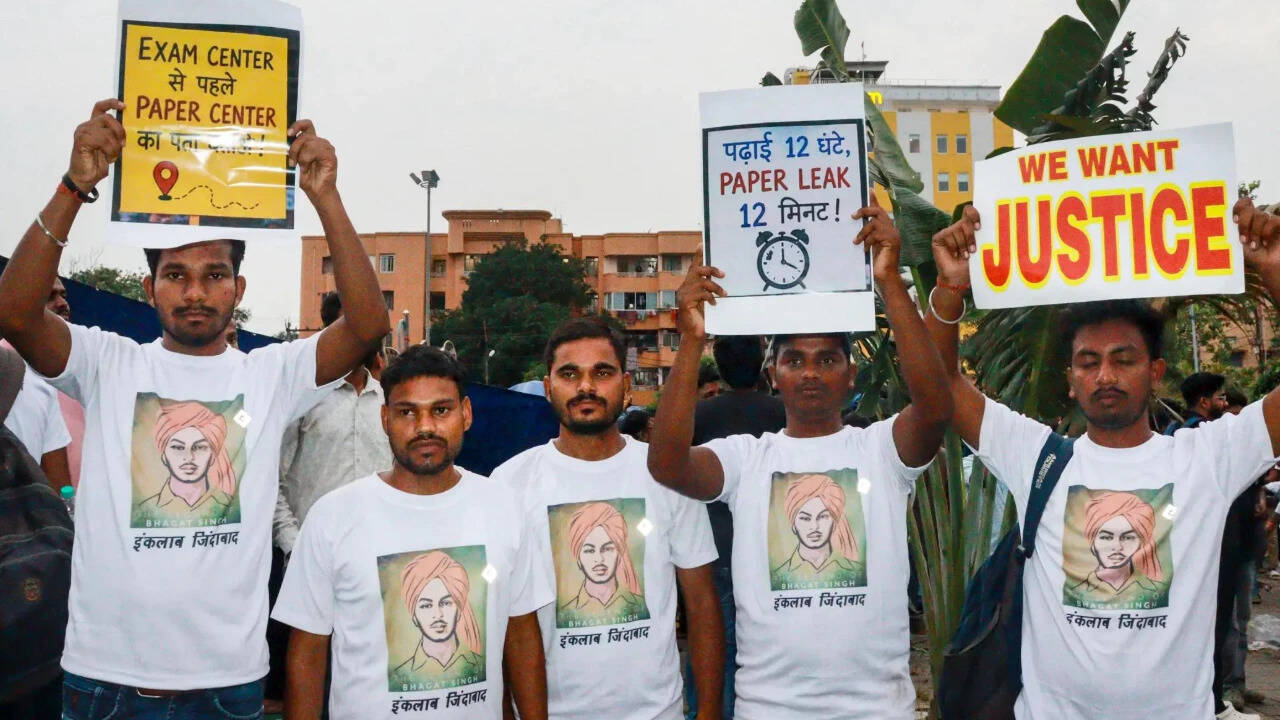
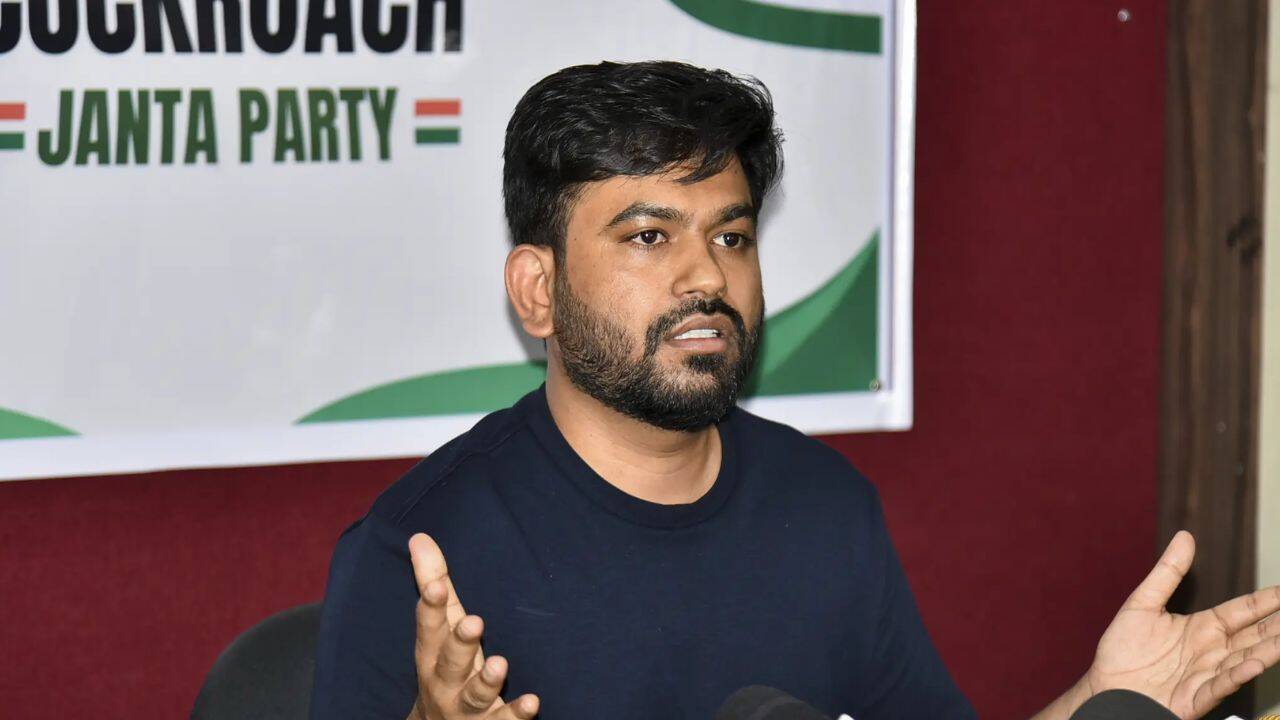
A significant shift has occurred in India over the past fortnight, with the Cockroach Janta Party (CJP) protests marking a turning point in the country's democratic landscape. For a long time, criticizing the BJP-led NDA government was challenging, but the CJP protests made it possible for people to express their dissent. The protests, which began as a response to the government's failure to prevent leaks of national exam papers, eventually became a broader movement against various issues, including corruption, youth unemployment, and declining trust in democratic institutions.
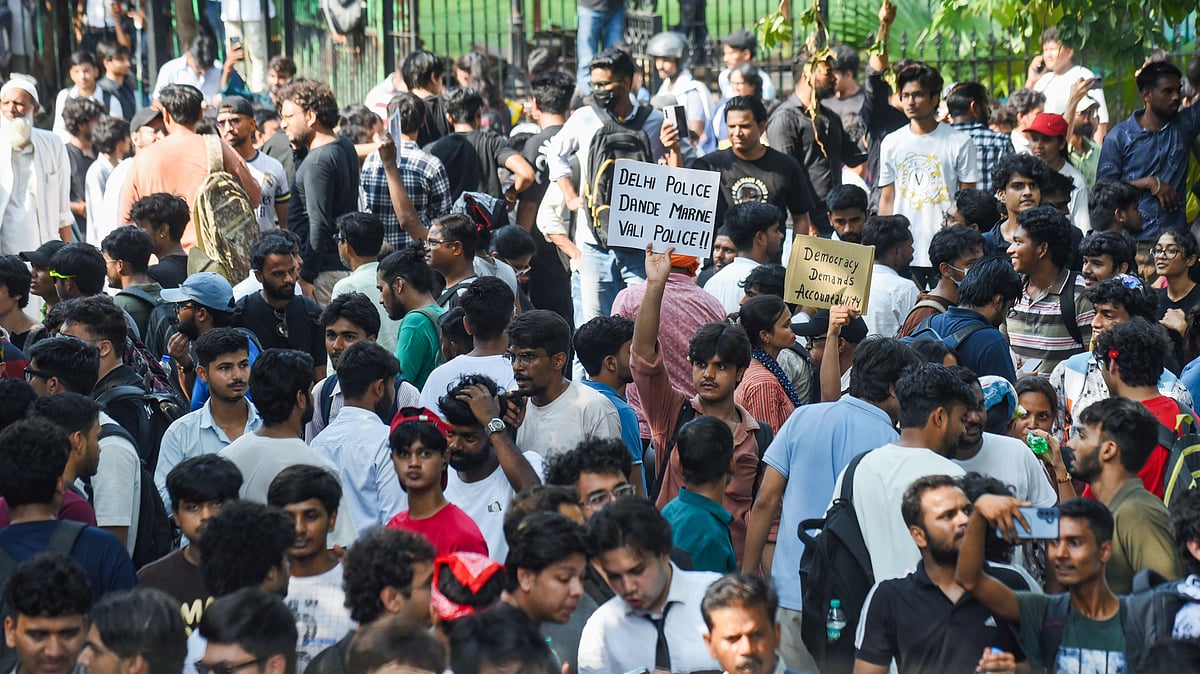
The CJP protests attracted a large number of students and ultimately led to the resignation of Education Minister Dharmendra Pradhan and the acceptance of other key demands by the government. The movement captured the frustration and grievances of the youth, who were not only concerned about the education system but also about the lack of accountability, rising corruption, and record youth unemployment.
The government's attempts to ignore, discredit, and divert the protests did not work this time, and neither did the attempt to suppress it with police violence. The sheer determination of the protesting youth forced the government to yield to their demands, which included reforms in exams and the education system, as well as accountability for the government's decisions and actions.
The CJP protests played a significant role in filling the political vacuum by directly competing with the ruling dispensation, using social media to harness anger and discontent against the government. The protests can be seen as an indictment of both the government and the Opposition, which is divided, under-resourced, and unable to mount a challenge to the powerful government.
The success of the CJP protests has shown that the youth are no longer afraid to speak out against the government's failures and that they are determined to bring about change. The protests have also highlighted the importance of accountability, good governance, and democratic rights, which are essential for India's future.
The government's decision to accept the students' demands is a significant victory for the protesting youth, who have shown that they will not be silenced or ignored. The CJP protests have set a precedent for future movements, demonstrating that collective action and determination can lead to real change.
In the end, the CJP protests have forced the government to climb down from its pride of power, marking a significant shift in the country's democratic landscape. The protests have shown that the youth are a powerful force for change and that they will continue to demand accountability, good governance, and democratic rights.
The impact of the CJP protests will be felt for a long time, and it remains to be seen how the government will respond to the demands of the youth in the future. However, one thing is certain - the CJP protests have marked a significant turning point in India's democratic history, and they will continue to inspire future movements for change.
The CJP protests have also raised questions about the role of the Opposition in India, which has been unable to mount a challenge to the powerful government. The protests have shown that the youth are no longer relying on the Opposition to bring about change, but are instead taking matters into their own hands.
In conclusion, the CJP protests have been a significant success, forcing the government to accept the demands of the protesting youth. The protests have marked a turning point in India's democratic landscape, highlighting the importance of accountability, good governance, and democratic rights. The youth have shown that they are a powerful force for change, and it remains to be seen how the government will respond to their demands in the future.
The CJP protests have also highlighted the importance of social media in modern-day protests, which has enabled the youth to mobilize and organize themselves more effectively. The use of social media has also allowed the protesting youth to bypass traditional media outlets and reach a wider audience, which has helped to amplify their message and increase their impact.
Overall, the CJP protests have been a significant success, and they will continue to inspire future movements for change in India. The protests have shown that the youth are no longer afraid to speak out against the government's failures and that they are determined to bring about change. The impact of the CJP protests will be felt for a long time, and it remains to be seen how the government will respond to the demands of the youth in the future.
Frequently asked questions
What were the main demands of the CJP protests?
The main demands of the CJP protests included reforms in exams and the education system, as well as accountability for the government's decisions and actions.
What was the outcome of the CJP protests?
The CJP protests led to the resignation of Education Minister Dharmendra Pradhan and the acceptance of other key demands by the government.