India Seeks Energy Security Amid Gulf Disruptions
Gulf hostilities impact energy supplies, India explores alternatives.
'%3E%3Crect%20width%3D'96'%20height%3D'96'%20fill%3D'%23B3261E'%2F%3E%3Ccircle%20cx%3D'30'%20cy%3D'24'%20r%3D'44'%20fill%3D'%23fff'%20opacity%3D'.12'%2F%3E%3Ccircle%20cx%3D'60'%20cy%3D'74'%20r%3D'40'%20fill%3D'%23000'%20opacity%3D'.10'%2F%3E%3C%2Fg%3E%3Cg%20fill%3D'%23fff'%3E%3Crect%20x%3D'29'%20y%3D'49'%20width%3D'8'%20height%3D'19'%20rx%3D'1'%2F%3E%3Crect%20x%3D'39'%20y%3D'40'%20width%3D'9'%20height%3D'28'%20rx%3D'1'%2F%3E%3Crect%20x%3D'50'%20y%3D'45'%20width%3D'8'%20height%3D'23'%20rx%3D'1'%2F%3E%3Crect%20x%3D'60'%20y%3D'53'%20width%3D'7'%20height%3D'15'%20rx%3D'1'%2F%3E%3Crect%20x%3D'41'%20y%3D'34'%20width%3D'5'%20height%3D'6'%2F%3E%3C%2Fg%3E%3C%2Fsvg%3E)
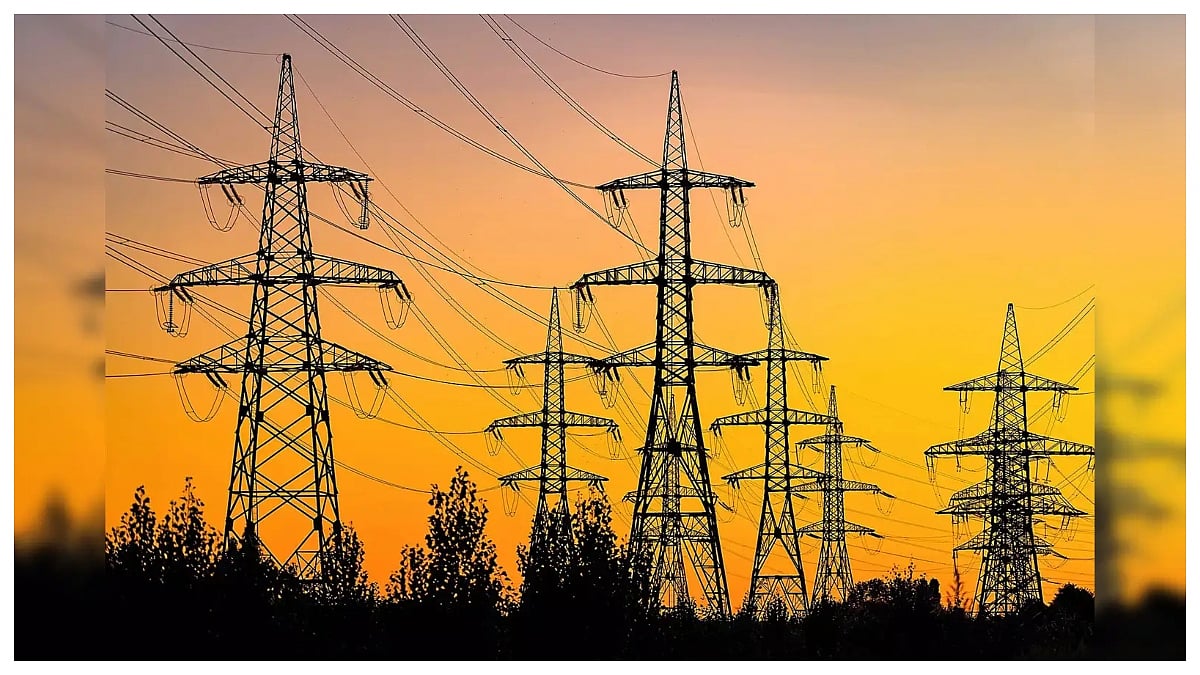
A recent escalation of hostilities in the Gulf region has raised concerns over energy security in India. The conflict between Iran and other nations in the region has led to disruptions in the supply of oil through the Hormuz Strait, a vital energy route.
The Indian government has taken steps to ensure uninterrupted energy supplies, and these efforts have been effective so far. However, with the disruption expected to be a long-term issue, the government needs to look beyond contingency planning and focus on finding alternative supply routes and reducing import dependence in the energy sector.
One possible solution is to bypass the Hormuz Strait by using alternative routes. Saudi Arabia has already built a pipeline to the western Red Sea port of Yanbu, which has helped mitigate the global energy crisis. The pipeline has a capacity to transport seven million barrels of crude oil per day and has been operating at full capacity during the current crisis.
Other nations in the region, such as the UAE, Oman, and Iraq, are also building alternative pipelines and railway lines to bypass the Strait of Hormuz. India can leverage its diplomatic strength and market power to support these alternative routes and ensure energy security.
Another strategy for achieving energy security is to reduce dependence on oil imports by promoting the use of electric vehicles (EVs) and alternative fuels. The Indian government has already taken steps in this direction by enforcing 20% ethanol blending with petrol. Efforts are also underway to blend isobutanol with diesel to reduce dependence on oil imports.
Complete electrification of road transport in the next decade is a possible solution to reduce dependence on oil imports. Brazil has already demonstrated the effectiveness of this approach, and India can learn from its experience. By promoting the use of EVs and alternative fuels, India can reduce its dependence on oil imports and achieve energy security.
The development of alternative supply routes and the promotion of EVs and alternative fuels are critical strategies for achieving energy security in India. By pursuing these strategies, India can reduce its dependence on oil imports and ensure a stable energy supply.
In the context of India's energy security, the current disruptions in the Gulf region highlight the need for a long-term strategy to reduce dependence on oil imports. The Indian government has taken steps in the right direction, but more needs to be done to achieve energy security.
The use of alternative fuels and the promotion of EVs can also have a positive impact on the environment. By reducing dependence on oil imports, India can reduce its carbon footprint and contribute to a cleaner environment.
In conclusion, the current disruptions in the Gulf region have highlighted the need for India to achieve energy security. By pursuing alternative supply routes and promoting the use of EVs and alternative fuels, India can reduce its dependence on oil imports and ensure a stable energy supply. This is critical for the country's economic growth and development, and the government needs to take a long-term view to achieve energy security.
The Indian government's efforts to promote energy security are a step in the right direction. However, more needs to be done to achieve complete energy security. By working together with other nations and promoting the use of alternative fuels and EVs, India can achieve energy security and reduce its dependence on oil imports.
What it means for India is that the country needs to be prepared for a prolonged disruption of energy supplies from the Gulf region. The government needs to take a long-term view and pursue alternative supply routes and promote the use of EVs and alternative fuels to achieve energy security. This is critical for the country's economic growth and development, and the government needs to take immediate action to address the issue.