Sheep Population Grows to 6000 on San Miguel Island
A small flock of sheep introduced to San Miguel Island exploded in population. The island now has 6000 sheep.
'%3E%3Crect%20width%3D'96'%20height%3D'96'%20fill%3D'%231B5E20'%2F%3E%3Ccircle%20cx%3D'30'%20cy%3D'24'%20r%3D'44'%20fill%3D'%23fff'%20opacity%3D'.12'%2F%3E%3Ccircle%20cx%3D'60'%20cy%3D'74'%20r%3D'40'%20fill%3D'%23000'%20opacity%3D'.10'%2F%3E%3C%2Fg%3E%3Cg%3E%3Ccircle%20cx%3D'48'%20cy%3D'48'%20r%3D'15'%20fill%3D'%23fff'%2F%3E%3Cpath%20d%3D'M43%2034%20Q50%2048%2043%2062'%20fill%3D'none'%20stroke%3D'%238a94a6'%20stroke-width%3D'2.4'%2F%3E%3Cpath%20d%3D'M47%2033%20Q54%2048%2047%2063'%20fill%3D'none'%20stroke%3D'%238a94a6'%20stroke-width%3D'1.8'%20stroke-dasharray%3D'1.5%203'%2F%3E%3C%2Fg%3E%3C%2Fsvg%3E)
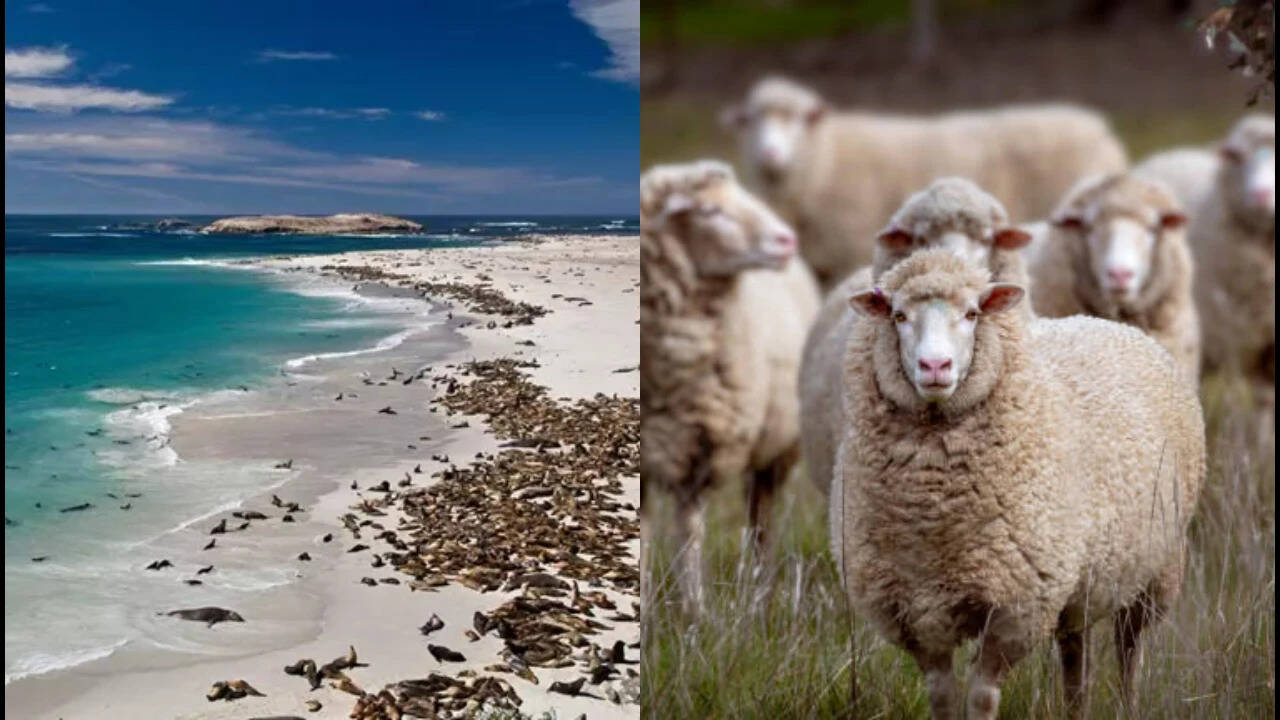
A remarkable example of population growth has been observed on San Miguel Island, where a flock of 45 sheep introduced to the island grew to a staggering 6000 in just 12 years. This exponential growth is a testament to the ideal conditions on the island, which provided the sheep with ample food and space to thrive.
The introduction of the 45 sheep to the island was likely intended to establish a sustainable population, but the actual growth far exceeded expectations. The sheep population grew at an incredible rate, with the numbers increasing by a factor of 133 over the 12-year period.
San Miguel Island, with its unique ecosystem, provided the perfect environment for the sheep to flourish. The island's terrain and climate allowed the sheep to roam freely, feeding on the abundant vegetation and reproducing rapidly.
The growth of the sheep population on San Miguel Island has significant implications for the island's ecosystem. The large number of sheep can impact the island's vegetation, potentially leading to overgrazing and degradation of the habitat. This, in turn, can affect the other species that inhabit the island, including plants and animals that rely on the same resources.
The story of the sheep on San Miguel Island serves as a reminder of the importance of responsible management of introduced species. When non-native species are introduced to an ecosystem, they can have unintended consequences, including the disruption of the delicate balance of the environment.
In the case of San Miguel Island, the introduction of the sheep was likely intended to provide a source of food or income, but the rapid growth of the population has created new challenges. The management of the sheep population will be crucial to maintaining the health of the island's ecosystem and ensuring the long-term sustainability of the island's resources.
The experience on San Miguel Island highlights the need for careful planning and management when introducing non-native species to an ecosystem. It also underscores the importance of monitoring and adapting to the changing conditions on the island to prevent unintended consequences.
The story of the sheep on San Miguel Island is a fascinating example of the complex interactions between species and their environments. It serves as a reminder of the importance of responsible stewardship of the natural world and the need for careful management of introduced species to prevent harm to the ecosystem.
In conclusion, the growth of the sheep population on San Miguel Island is a remarkable example of the potential for introduced species to thrive in ideal conditions. However, it also highlights the importance of responsible management and the need for careful planning to prevent unintended consequences and maintain the health of the ecosystem.
Frequently asked questions
How many sheep were initially introduced to San Miguel Island?
45 sheep were introduced to the island.
How long did it take for the sheep population to grow to 6000?
The sheep population grew to 6000 in just 12 years.