US Seismologist Charged with Espionage in China
A US seismologist is charged with espionage, studied North Korea's nuclear tests. China accuses him of spying.
'%3E%3Crect%20width%3D'96'%20height%3D'96'%20fill%3D'%234A235A'%2F%3E%3Ccircle%20cx%3D'30'%20cy%3D'24'%20r%3D'44'%20fill%3D'%23fff'%20opacity%3D'.12'%2F%3E%3Ccircle%20cx%3D'60'%20cy%3D'74'%20r%3D'40'%20fill%3D'%23000'%20opacity%3D'.10'%2F%3E%3C%2Fg%3E%3Cg%20fill%3D'none'%20stroke%3D'%23fff'%20stroke-width%3D'3'%3E%3Ccircle%20cx%3D'48'%20cy%3D'48'%20r%3D'16'%2F%3E%3Cellipse%20cx%3D'48'%20cy%3D'48'%20rx%3D'6.5'%20ry%3D'16'%2F%3E%3Cline%20x1%3D'32'%20y1%3D'42'%20x2%3D'64'%20y2%3D'42'%2F%3E%3Cline%20x1%3D'32'%20y1%3D'54'%20x2%3D'64'%20y2%3D'54'%2F%3E%3C%2Fg%3E%3C%2Fsvg%3E)
A US seismologist who studied North Korea's nuclear tests has been charged with espionage in China. The scientist, whose name has not been disclosed, was accused of spying for a foreign entity.
The charges against the seismologist are related to his research on North Korea's nuclear tests. China has been closely monitoring the situation on the Korean peninsula, given its proximity to its own borders. The seismologist's work involved analyzing seismic data from North Korea's nuclear tests, which could have provided valuable insights into the country's nuclear capabilities.
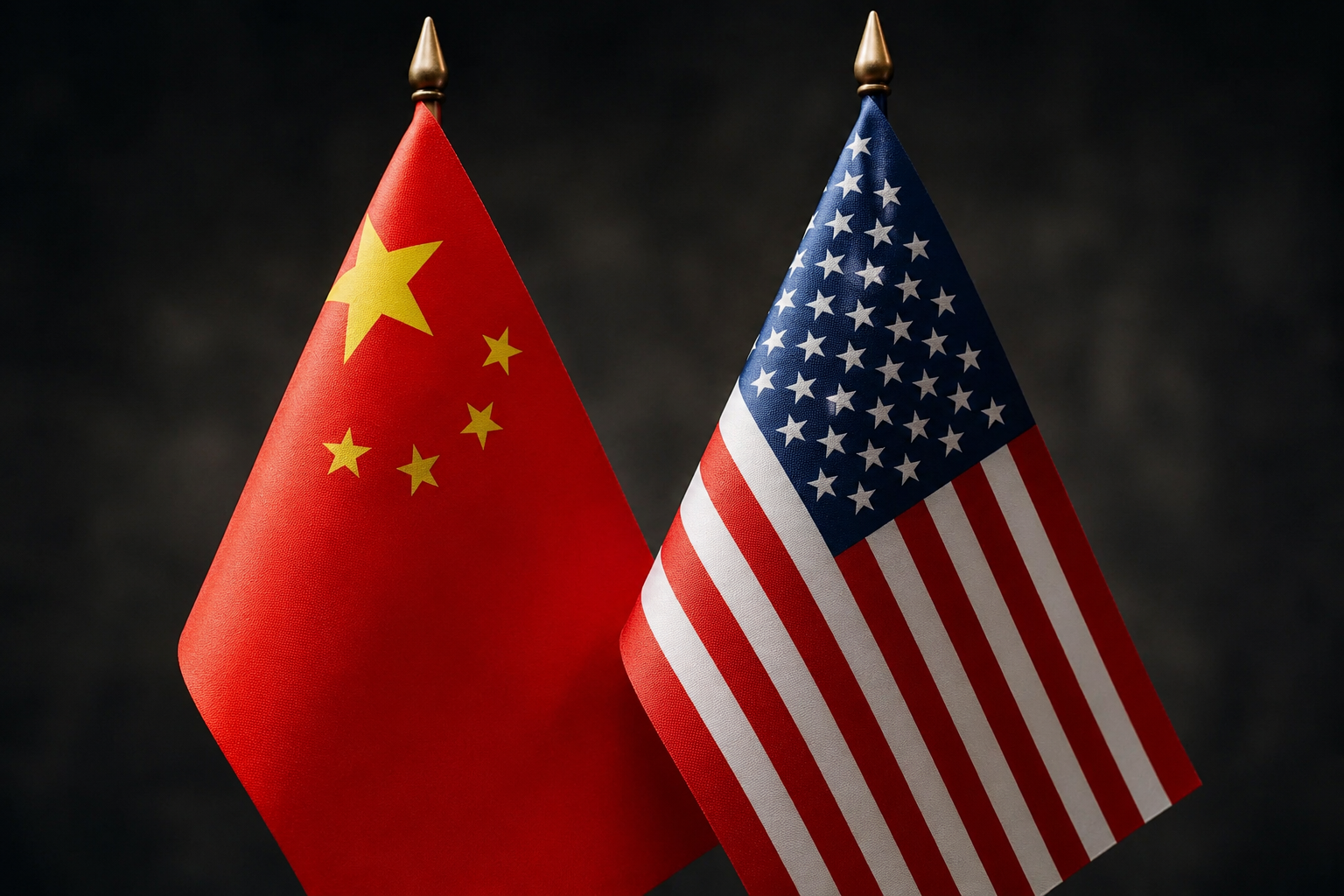
The Chinese government has not provided further details on the charges, but it is believed that the seismologist's research was deemed a threat to national security. The incident highlights the tensions between the US and China, particularly in the field of scientific research.
China has been increasingly wary of foreign researchers, particularly those from the US, due to concerns over espionage and intellectual property theft. The country has implemented strict regulations on foreign researchers, requiring them to obtain special permits and approvals before conducting research in China.
The US has not commented on the charges, but it is likely to raise concerns about the treatment of American citizens in China. The incident could also strain relations between the two countries, which are already tense due to trade and security issues.
The seismologist's research on North Korea's nuclear tests is a sensitive topic, given the international community's concerns over the country's nuclear program. The United Nations has imposed strict sanctions on North Korea, and the US has been actively engaged in diplomatic efforts to denuclearize the Korean peninsula.
The charges against the US seismologist are a reminder of the complexities and risks involved in scientific research, particularly in sensitive fields like nuclear physics. The incident highlights the need for researchers to be aware of the political and security implications of their work, particularly when conducting research in foreign countries.
The situation is being closely monitored by the international community, and it is likely to have significant implications for US-China relations and the global scientific community. The charges against the seismologist are a stark reminder of the tensions and rivalries that exist between nations, and the need for cooperation and diplomacy in resolving these issues.
In conclusion, the charges against the US seismologist in China are a significant development that highlights the complexities and risks involved in scientific research. The incident has significant implications for US-China relations, the global scientific community, and the international community's efforts to address the North Korean nuclear issue.