Supreme Court Denies Special Treatment To Rahul Gandhi
Rahul Gandhi's defamation case, Supreme Court asks complainant to follow procedure
'%3E%3Crect%20width%3D'96'%20height%3D'96'%20fill%3D'%231A5276'%2F%3E%3Ccircle%20cx%3D'30'%20cy%3D'24'%20r%3D'44'%20fill%3D'%23fff'%20opacity%3D'.12'%2F%3E%3Ccircle%20cx%3D'60'%20cy%3D'74'%20r%3D'40'%20fill%3D'%23000'%20opacity%3D'.10'%2F%3E%3C%2Fg%3E%3Cg%20fill%3D'%23fff'%3E%3Cpath%20d%3D'M31%2041%20L48%2031%20L65%2041%20Z'%2F%3E%3Crect%20x%3D'33'%20y%3D'43'%20width%3D'4'%20height%3D'17'%2F%3E%3Crect%20x%3D'41'%20y%3D'43'%20width%3D'4'%20height%3D'17'%2F%3E%3Crect%20x%3D'51'%20y%3D'43'%20width%3D'4'%20height%3D'17'%2F%3E%3Crect%20x%3D'59'%20y%3D'43'%20width%3D'4'%20height%3D'17'%2F%3E%3Crect%20x%3D'30'%20y%3D'62'%20width%3D'36'%20height%3D'4'%20rx%3D'1'%2F%3E%3C%2Fg%3E%3C%2Fsvg%3E)
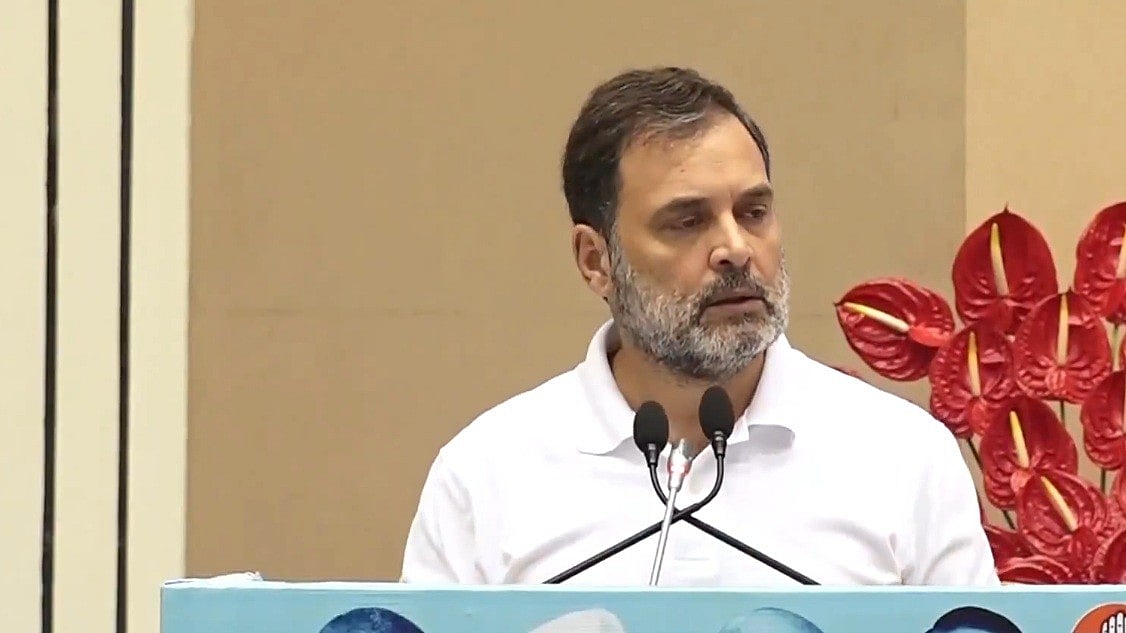
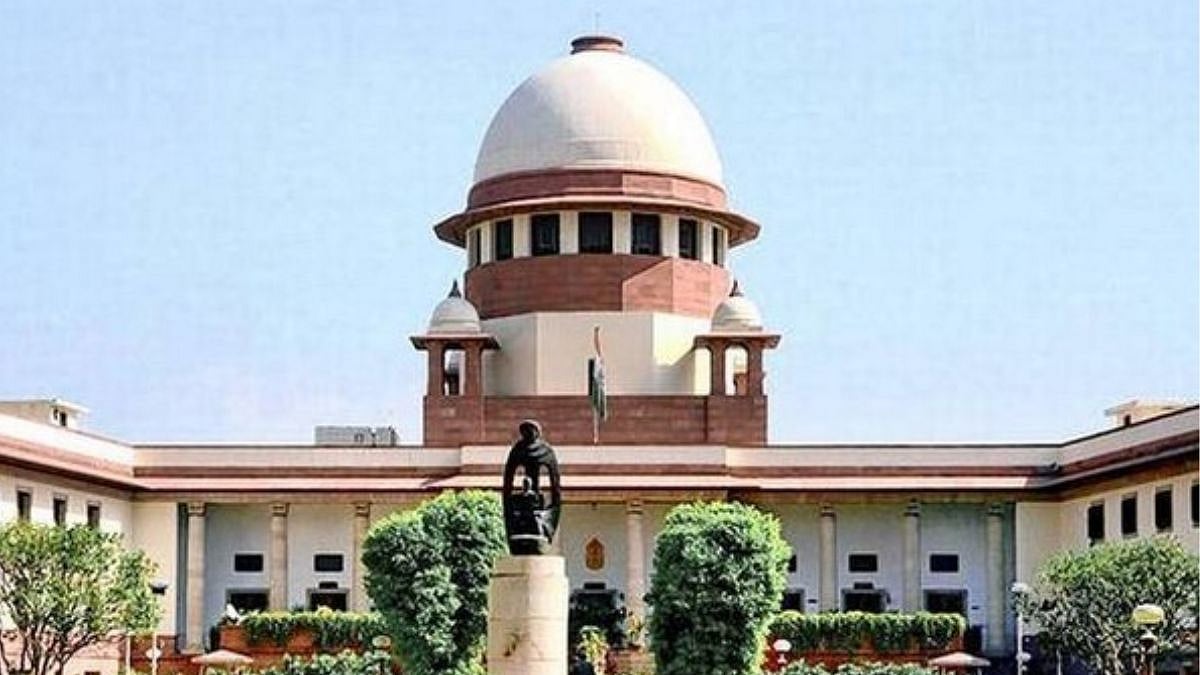
The Supreme Court on Wednesday, September 9, made it clear that Congress leader Rahul Gandhi will not receive special treatment in a criminal defamation case against him.
A bench headed by Chief Justice of India Surya Kant, along with Justices Joymalya Bagchi and V. Mohana, directed the complainant to follow the prescribed procedure and file an application seeking an early hearing.
The case stems from remarks made by Gandhi during the Bharat Jodo Yatra in December 2022, where he criticized the government's handling of a clash between Indian and Chinese troops in Arunachal Pradesh.
Gandhi had alleged that Chinese troops were beating up Indian Army personnel, which led to a complaint by former Border Roads Organisation (BRO) director Uday Shankar Srivastava.
Srivastava approached a Lucknow magistrate, alleging that the remarks were defamatory and derogatory towards the Indian military.
The magistrate took cognizance of the complaint and issued summons to Gandhi.
The Allahabad High Court later refused to quash the proceedings, holding that Srivastava could qualify as an “aggrieved person” under Section 199 of the CrPC.
Gandhi then challenged the proceedings before the Supreme Court.
An earlier bench comprising Justices Dipankar Datta and Augustine George Masih had stayed the proceedings while questioning the basis for Gandhi's statements.
On Wednesday, senior advocate Gaurav Bhatia, appearing for Srivastava, raised concerns over the delay in listing Gandhi’s appeal.
Bhatia argued that the matter had remained pending for months despite earlier directions and submitted that Gandhi was not a “VVIP”, suggesting that the delay did not reflect well on the institution.
Responding to the submission, CJI Surya Kant said the complainant should follow the established procedure rather than seek a special listing.
The Chief Justice emphasized that everyone is equal before the court and that the same procedure applies to everyone.
The case remains pending before the top court, with the Supreme Court directing the complainant to file a formal application for early listing.
This development indicates that the court will not grant Gandhi or the complainant an immediate hearing without following the proper procedure.
The Supreme Court's decision highlights the importance of following established procedures in legal cases, ensuring that all individuals are treated equally before the law.
This approach reinforces the principle of equality and fairness in the Indian justice system.
In conclusion, the Supreme Court's decision in Rahul Gandhi's defamation case demonstrates the court's commitment to upholding the principles of equality and fairness.
The case will continue to be heard by the Supreme Court, with the complainant required to follow the prescribed procedure for seeking an early hearing.
The outcome of this case will have significant implications for the Indian justice system, as it reinforces the importance of following established procedures and treating all individuals equally before the law.
The case also highlights the ongoing debate about the role of public figures in criticizing government policies and the potential consequences of such criticism.
As the case continues to unfold, it is likely to attract significant attention from the public and the media, given the high-profile nature of the individuals involved.
The Supreme Court's decision will be closely watched, as it has the potential to set a precedent for future cases involving public figures and defamation allegations.
Ultimately, the Supreme Court's decision in Rahul Gandhi's defamation case serves as a reminder of the importance of upholding the principles of equality and fairness in the Indian justice system.
The case will continue to be an important test of the court's commitment to these principles, as it navigates the complex issues involved in the case.
Frequently asked questions
What is the status of Rahul Gandhi's defamation case?
The case is pending before the Supreme Court, with the complainant required to follow the prescribed procedure for seeking an early hearing.
Why did the Supreme Court deny special treatment to Rahul Gandhi?
The Supreme Court emphasized that everyone is equal before the law and that the same procedure applies to everyone, regardless of their status or position.