Bhopal Survey Finds Structures Near Kaliasot Wetland
Permanent structures, restaurants and a road found near Kaliasot FTL. Survey raises concerns over wetland boundaries.
'%3E%3Crect%20width%3D'96'%20height%3D'96'%20fill%3D'%23B3261E'%2F%3E%3Ccircle%20cx%3D'30'%20cy%3D'24'%20r%3D'44'%20fill%3D'%23fff'%20opacity%3D'.12'%2F%3E%3Ccircle%20cx%3D'60'%20cy%3D'74'%20r%3D'40'%20fill%3D'%23000'%20opacity%3D'.10'%2F%3E%3C%2Fg%3E%3Cg%20fill%3D'%23fff'%3E%3Crect%20x%3D'29'%20y%3D'49'%20width%3D'8'%20height%3D'19'%20rx%3D'1'%2F%3E%3Crect%20x%3D'39'%20y%3D'40'%20width%3D'9'%20height%3D'28'%20rx%3D'1'%2F%3E%3Crect%20x%3D'50'%20y%3D'45'%20width%3D'8'%20height%3D'23'%20rx%3D'1'%2F%3E%3Crect%20x%3D'60'%20y%3D'53'%20width%3D'7'%20height%3D'15'%20rx%3D'1'%2F%3E%3Crect%20x%3D'41'%20y%3D'34'%20width%3D'5'%20height%3D'6'%2F%3E%3C%2Fg%3E%3C%2Fsvg%3E)
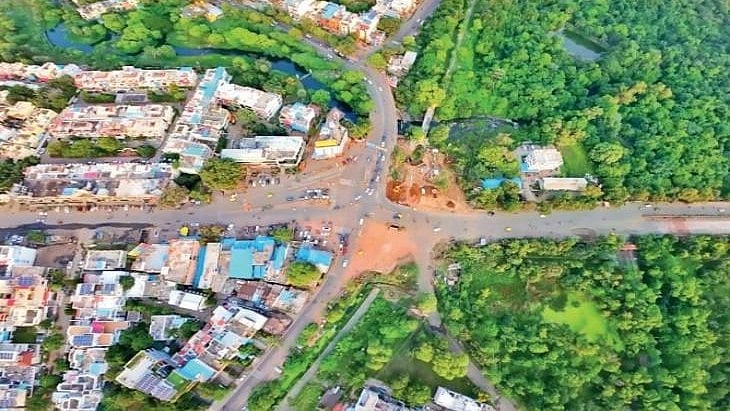
A drone survey of the Upper Lake in Bhopal has concluded, and the fifth day of ground-truthing of the Bhoj Wetland's actual boundaries and Full Tank Level (FTL) has revealed several concerns. The survey, conducted by a special team constituted by the National Green Tribunal (NGT), found permanent structures, commercial establishments, and a road within or close to the Kaliasot water-spread area.
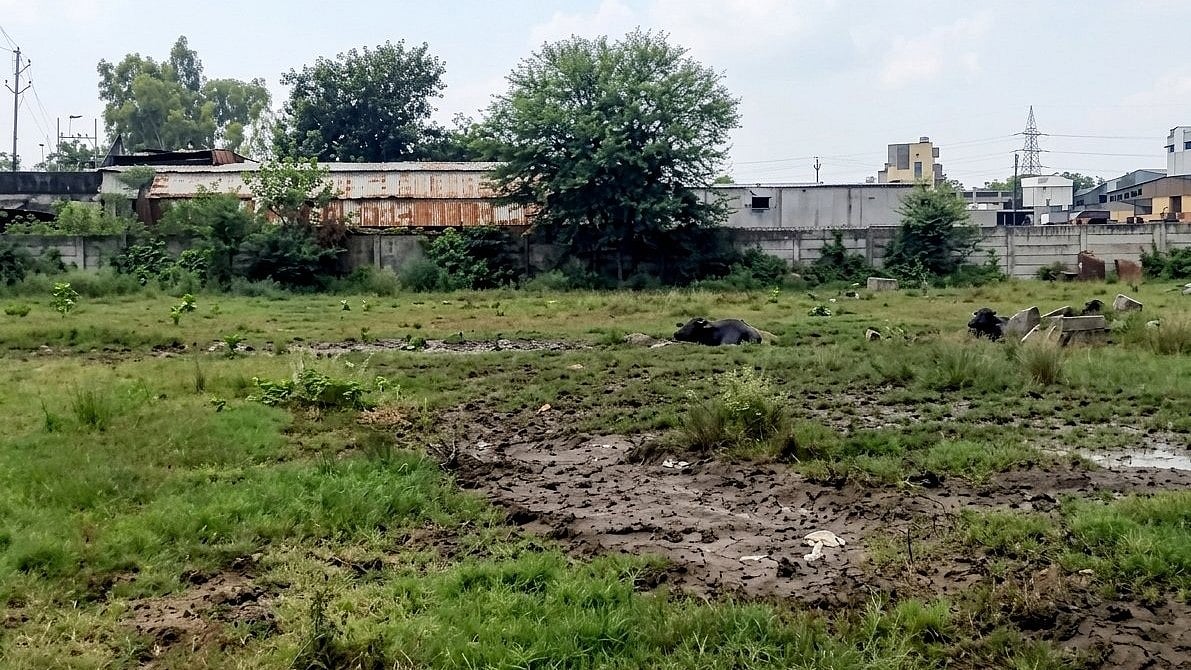
The team began its inspection near the Water and Land Management Institute (WALMI) and checked old FTL boundary markers, comparing their locations with the present water level. Water Resources Department officials verified the positions of the boundary stones. At Khudaganj village in Ward 26, water was found extending beyond several existing FTL markers.
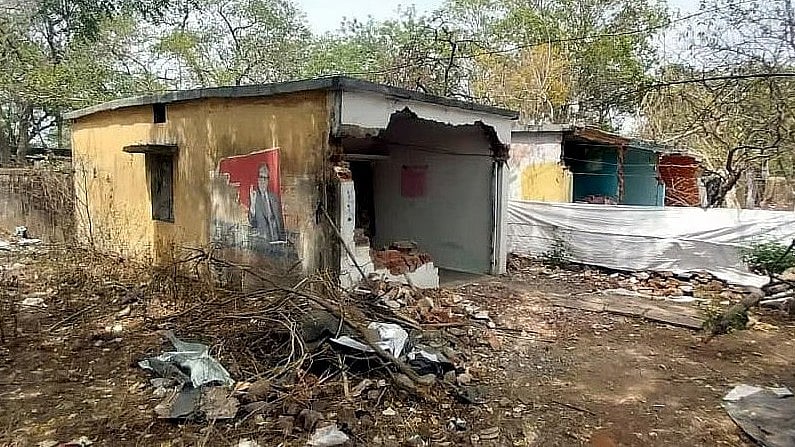
The team observed restaurants and other structures close to the water-spread area and documented their locations for verification against government records. The most significant findings came from the Kaliasot area, where a road was found passing through the catchment zone. Several restaurants and commercial structures were also located within or close to the wetland boundary.
Boundary markers allegedly being installed for plotting raised concerns over possible obstruction of natural drainage and water flow. Petitioner Rashid Noor Khan emphasized the need for ground-truthing to establish old markers, actual water levels, FTL, and natural water flow scientifically and legally to prevent exploitation of technical loopholes.
The survey also revealed that the Kerwa Dam reservoir has not reached its FTL due to ongoing bridge construction, resulting in continuous water outflow. This has prevented scientific verification of the FTL boundary. A report on Kerwa's FTL and related technical aspects will be submitted to the NGT on September 15.
The Madhya Pradesh Pollution Control Board regional officer, Nitesh Chaurasia, stated that the Kaliasot ground-truthing had been completed, and further action at Kerwa would follow the NGT's directions. The survey's findings have significant implications for the conservation and management of the Bhoj Wetland.
The Bhoj Wetland is an important ecosystem that supports a wide range of flora and fauna. The presence of permanent structures, commercial establishments, and roads within or close to the wetland boundary poses a significant threat to the ecosystem's integrity. The NGT's directives and the survey's findings will play a crucial role in determining the future course of action for the conservation and management of the Bhoj Wetland.
In conclusion, the survey's findings highlight the need for urgent action to protect the Bhoj Wetland and its ecosystem. The NGT's directives and the survey's recommendations will be crucial in ensuring the conservation and sustainable management of this important ecosystem.
The survey's findings also underscore the importance of ground-truthing in establishing the actual boundaries and FTL of the Bhoj Wetland. This will help prevent the exploitation of technical loopholes and ensure that the wetland is protected and conserved for future generations.
The Bhopal authorities must take immediate action to address the concerns raised by the survey and ensure that the Bhoj Wetland is protected and conserved. This will require a coordinated effort from various stakeholders, including the government, NGOs, and local communities.
The conservation and management of the Bhoj Wetland are critical for maintaining the ecological balance and supporting the local economy. The survey's findings and the NGT's directives will play a vital role in shaping the future of the Bhoj Wetland and ensuring its sustainability for generations to come.
The significance of the survey's findings cannot be overstated. The presence of permanent structures, commercial establishments, and roads within or close to the wetland boundary poses a significant threat to the ecosystem's integrity. The NGT's directives and the survey's recommendations will be crucial in ensuring the conservation and sustainable management of the Bhoj Wetland.
In the end, the survey's findings highlight the need for urgent action to protect the Bhoj Wetland and its ecosystem. The Bhopal authorities must take immediate action to address the concerns raised by the survey and ensure that the Bhoj Wetland is protected and conserved for future generations.
Frequently asked questions
What was found near the Kaliasot FTL during the survey?
Permanent structures, restaurants, and a road were found near the Kaliasot FTL.
Why was the Kerwa survey halted?
The Kerwa survey was halted because the reservoir has not reached its FTL due to ongoing bridge construction.