India LPG Consumption Falls 17% To 8.8 Million Tonnes
India's LPG consumption declined 17% year-on-year, petrol and diesel demand rose
'%3E%3Crect%20width%3D'96'%20height%3D'96'%20fill%3D'%230B6E4F'%2F%3E%3Ccircle%20cx%3D'30'%20cy%3D'24'%20r%3D'44'%20fill%3D'%23fff'%20opacity%3D'.12'%2F%3E%3Ccircle%20cx%3D'60'%20cy%3D'74'%20r%3D'40'%20fill%3D'%23000'%20opacity%3D'.10'%2F%3E%3C%2Fg%3E%3Cg%20fill%3D'none'%20stroke%3D'%23fff'%20stroke-width%3D'3.2'%20stroke-linecap%3D'round'%20stroke-linejoin%3D'round'%3E%3Cpolyline%20points%3D'31%2C59%2041%2C49%2049%2C54%2063%2C37'%2F%3E%3Cpolyline%20points%3D'55%2C37%2063%2C37%2063%2C45'%2F%3E%3C%2Fg%3E%3C%2Fsvg%3E)
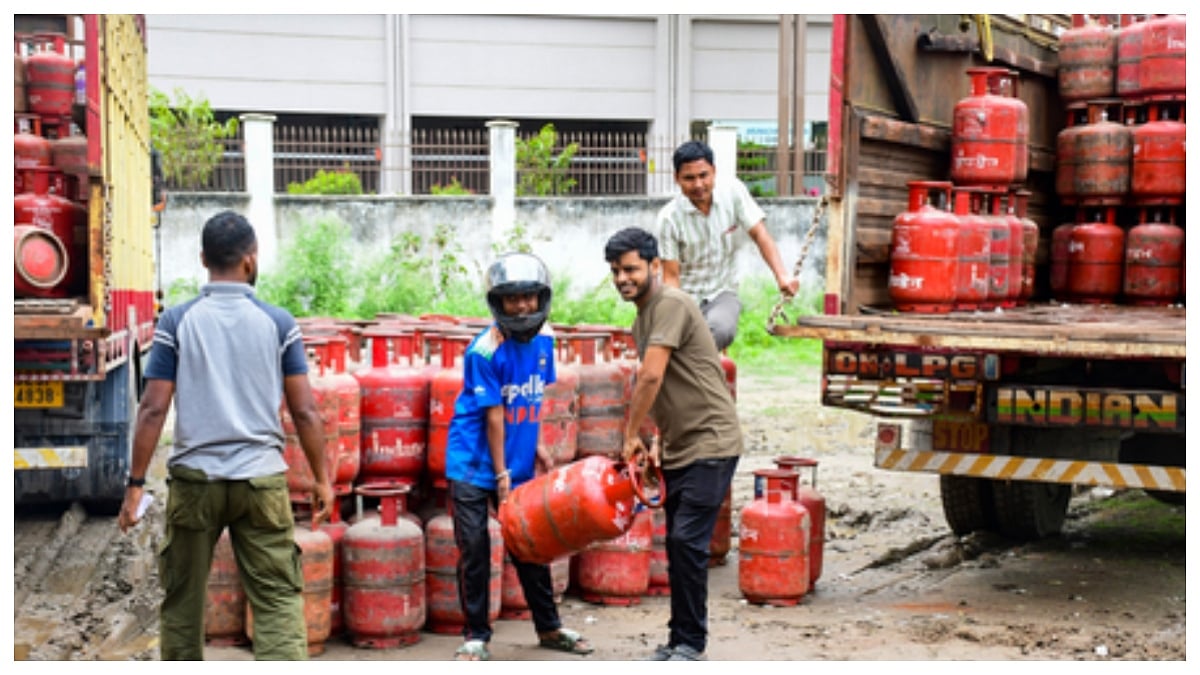
India's LPG consumption declined by 17% year-on-year to 8.8 million tonnes during the period of April-July, according to data from the Petroleum Planning and Analysis Cell (PPAC). This decline is attributed to supply disruptions in West Asia following the blockade of the Strait of Hormuz.
The government's restrictions on commercial LPG sales and appeals to consumers to shift towards alternatives such as piped natural gas (PNG) also affected demand. However, petrol and diesel demand remained strong, with petrol consumption increasing by 6% to 15.2 million tonnes and diesel consumption rising by 4% to 33.7 million tonnes during the same period.
The LPG demand showed signs of recovery in July after restrictions on commercial supplies were withdrawn, with consumption increasing by 7.5% from June to 2.35 million tonnes. This marked the highest monthly level since March. Petrol demand rose by 1% to 3.8 million tonnes, while diesel consumption fell by 6% to 8.1 million tonnes.
The US has emerged as a major LPG supplier to India, with 3.6 million tonnes of LPG supplied between January and July. This is due to the disruption of supplies from Gulf countries, which were previously the primary source of LPG for India. India imports around 60% of its LPG requirements, with roughly 90% of those imports previously coming through the Gulf via Hormuz.
India has secured sufficient crude and LPG supplies through September, reducing immediate concerns over domestic availability. However, industry sources warned that further escalation around Hormuz or the Red Sea could complicate future supplies. Analysts expect Indian refiners to continue diversifying their LPG sourcing beyond the Gulf even after the West Asia conflict eases.
The shift in LPG sourcing is expected to have a significant impact on India's energy landscape. As the country continues to diversify its energy sources, it is likely to reduce its dependence on traditional suppliers and explore new markets. This could lead to increased competition and potentially lower prices for consumers.
In the short term, the recovery in LPG demand is expected to continue, driven by the withdrawal of restrictions on commercial supplies. However, the long-term outlook for LPG demand will depend on various factors, including the pace of economic growth, government policies, and the development of alternative energy sources.
Overall, the decline in LPG consumption and the shift in sourcing patterns highlight the complexities of India's energy landscape. As the country navigates the challenges of supply disruptions and shifting global dynamics, it is likely to emerge as a significant player in the global energy market.
The Indian government's efforts to promote the use of alternative energy sources, such as piped natural gas (PNG), are also expected to have a positive impact on the environment. As the country reduces its dependence on fossil fuels, it is likely to see a decrease in greenhouse gas emissions and other negative environmental impacts.
In conclusion, the decline in LPG consumption and the shift in sourcing patterns are significant developments in India's energy landscape. As the country continues to navigate the challenges of supply disruptions and shifting global dynamics, it is likely to emerge as a significant player in the global energy market.
The impact of the decline in LPG consumption will be closely watched by industry analysts and policymakers. As the country continues to diversify its energy sources and promote the use of alternative energy sources, it is likely to see a significant reduction in its dependence on traditional suppliers.
The future of India's energy landscape will depend on various factors, including the pace of economic growth, government policies, and the development of alternative energy sources. As the country continues to navigate the challenges of supply disruptions and shifting global dynamics, it is likely to emerge as a significant player in the global energy market.
What it means for India is that the country will have to continue to adapt to the changing global energy landscape. The decline in LPG consumption and the shift in sourcing patterns are significant developments that will have a lasting impact on the country's energy sector. As India continues to diversify its energy sources and promote the use of alternative energy sources, it is likely to see a significant reduction in its dependence on traditional suppliers and a decrease in greenhouse gas emissions.
Frequently asked questions
What was the decline in India's LPG consumption during April-July?
India's LPG consumption declined by 17% year-on-year to 8.8 million tonnes during April-July.
What is the main reason for the decline in LPG consumption?
The decline is attributed to supply disruptions in West Asia following the blockade of the Strait of Hormuz and government restrictions on commercial LPG sales.