Bombay HC Rejects Rahul Gandhi's Plea Over Modi Remarks
Rahul Gandhi's plea dismissed, summons stand. He can appeal to Supreme Court.
'%3E%3Crect%20width%3D'96'%20height%3D'96'%20fill%3D'%231A5276'%2F%3E%3Ccircle%20cx%3D'30'%20cy%3D'24'%20r%3D'44'%20fill%3D'%23fff'%20opacity%3D'.12'%2F%3E%3Ccircle%20cx%3D'60'%20cy%3D'74'%20r%3D'40'%20fill%3D'%23000'%20opacity%3D'.10'%2F%3E%3C%2Fg%3E%3Cg%20fill%3D'%23fff'%3E%3Cpath%20d%3D'M31%2041%20L48%2031%20L65%2041%20Z'%2F%3E%3Crect%20x%3D'33'%20y%3D'43'%20width%3D'4'%20height%3D'17'%2F%3E%3Crect%20x%3D'41'%20y%3D'43'%20width%3D'4'%20height%3D'17'%2F%3E%3Crect%20x%3D'51'%20y%3D'43'%20width%3D'4'%20height%3D'17'%2F%3E%3Crect%20x%3D'59'%20y%3D'43'%20width%3D'4'%20height%3D'17'%2F%3E%3Crect%20x%3D'30'%20y%3D'62'%20width%3D'36'%20height%3D'4'%20rx%3D'1'%2F%3E%3C%2Fg%3E%3C%2Fsvg%3E)
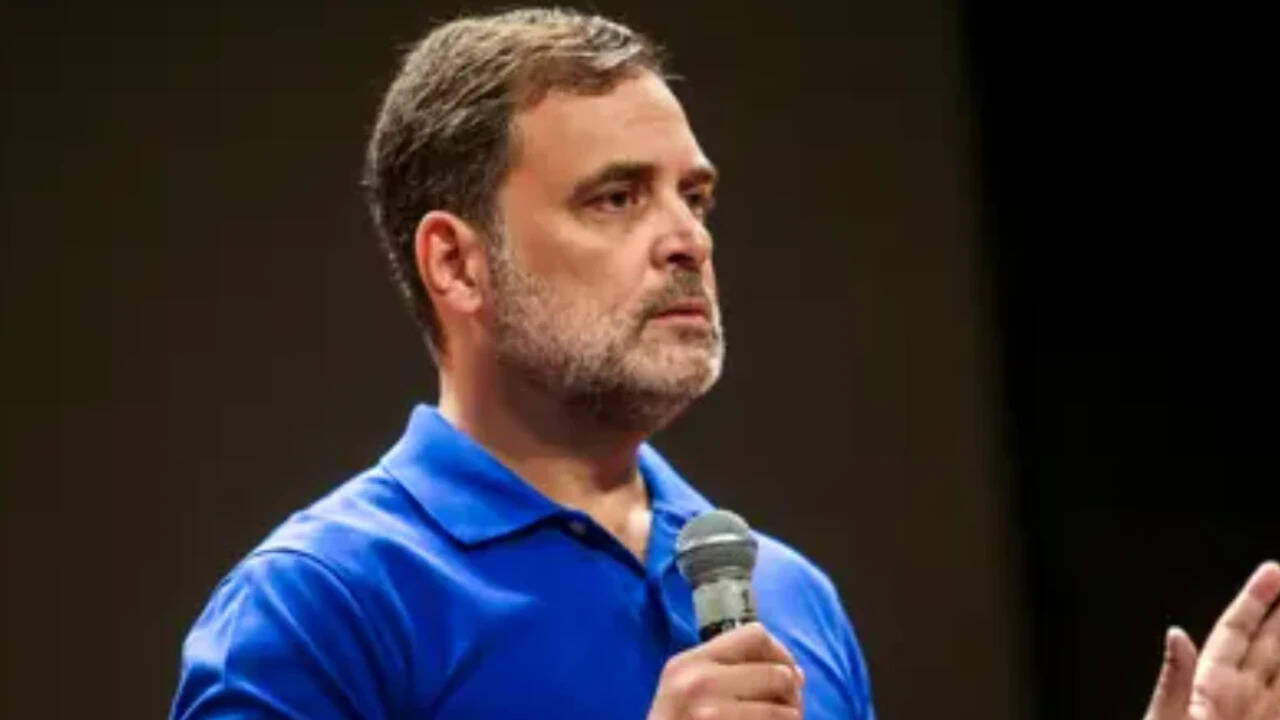
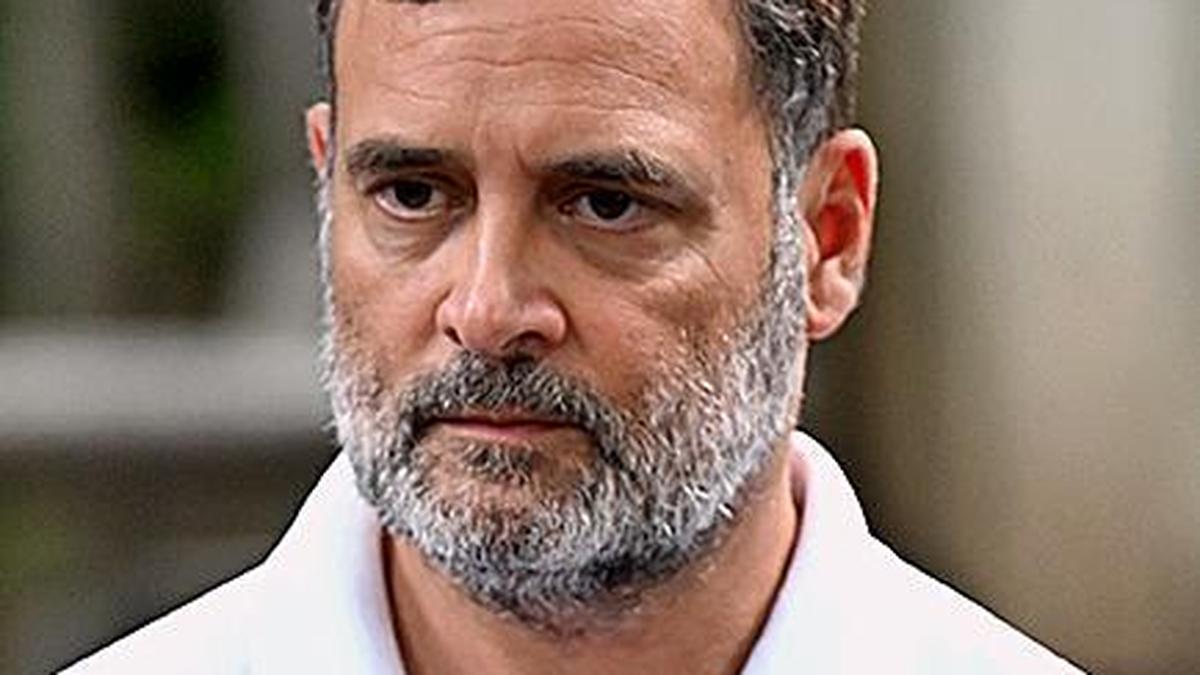
The Bombay High Court has dismissed Rahul Gandhi's plea to quash the summons issued against him in a defamation case. The case stems from Gandhi's remarks referring to Prime Minister Narendra Modi as 'commander-in-thief'. The court found that there was no illegality in the magistrate's order to issue the summons.
The magistrate's order was issued in response to a complaint filed by a BJP worker, who alleged that Gandhi's remarks were defamatory and hurt the reputation of the Prime Minister. Gandhi had approached the High Court seeking to quash the summons, arguing that the magistrate's order was not justified.
However, the High Court has now refused to intervene, holding that the magistrate's order was valid. The court has deferred the proceedings before the magistrate for six weeks, allowing Gandhi time to approach the Supreme Court for further relief.
The case has its roots in a speech made by Gandhi during the Lok Sabha election campaign in 2019. In the speech, Gandhi had used the term 'commander-in-thief' to criticize the Prime Minister's handling of the Rafale deal. The BJP worker who filed the complaint alleged that the remarks were made with the intention of defaming the Prime Minister and hurting his reputation.
The Bombay High Court's decision is a significant development in the case, which has been pending for several years. The court's refusal to quash the summons means that Gandhi will have to face trial in the lower court, unless he is able to secure a stay from the Supreme Court.
The case highlights the ongoing tensions between the BJP and the Congress, with both parties frequently trading barbs and accusations. The use of defamation laws to silence political opponents has also been a subject of controversy, with many arguing that it stifles free speech and undermines democratic debate.
The Supreme Court is now likely to be the next stop for Gandhi, as he seeks to challenge the High Court's decision. The outcome of the case will be closely watched, as it has implications for the limits of free speech in India and the use of defamation laws in political cases.
In the meantime, the proceedings before the magistrate have been deferred, allowing Gandhi time to explore his legal options. The case is a reminder of the complexities and challenges of India's legal system, where political cases can often be slow-moving and contentious.
The decision of the Bombay High Court is a significant development in the ongoing saga between Gandhi and the BJP. It remains to be seen how the case will unfold in the coming weeks and months, as Gandhi seeks to clear his name and challenge the defamation allegations against him.
The case has sparked a debate about the limits of free speech in India, with many arguing that politicians should be allowed to criticize each other without fear of defamation lawsuits. Others have argued that defamation laws are necessary to protect the reputation of public figures and prevent the spread of false information.
As the case moves forward, it is likely to be closely watched by politicians, lawyers, and citizens alike. The outcome will have significant implications for the future of political debate in India and the use of defamation laws in political cases.
In conclusion, the Bombay High Court's decision to dismiss Rahul Gandhi's plea is a significant development in the defamation case against him. The case highlights the ongoing tensions between the BJP and the Congress, and raises important questions about the limits of free speech in India. As the case moves forward, it is likely to be closely watched by all parties involved, and will have significant implications for the future of political debate in India.
Frequently asked questions
What was the reason for the Bombay High Court's decision?
The court found no illegality in the magistrate's order to issue process.
What are the next steps for Rahul Gandhi?
He can approach the Supreme Court for further relief.