Two BMC Corporators Disqualified Over Invalid Caste Certificates
Two Opposition corporators disqualified from BMC after caste certificates invalidated. Total disqualifications now four in a month.

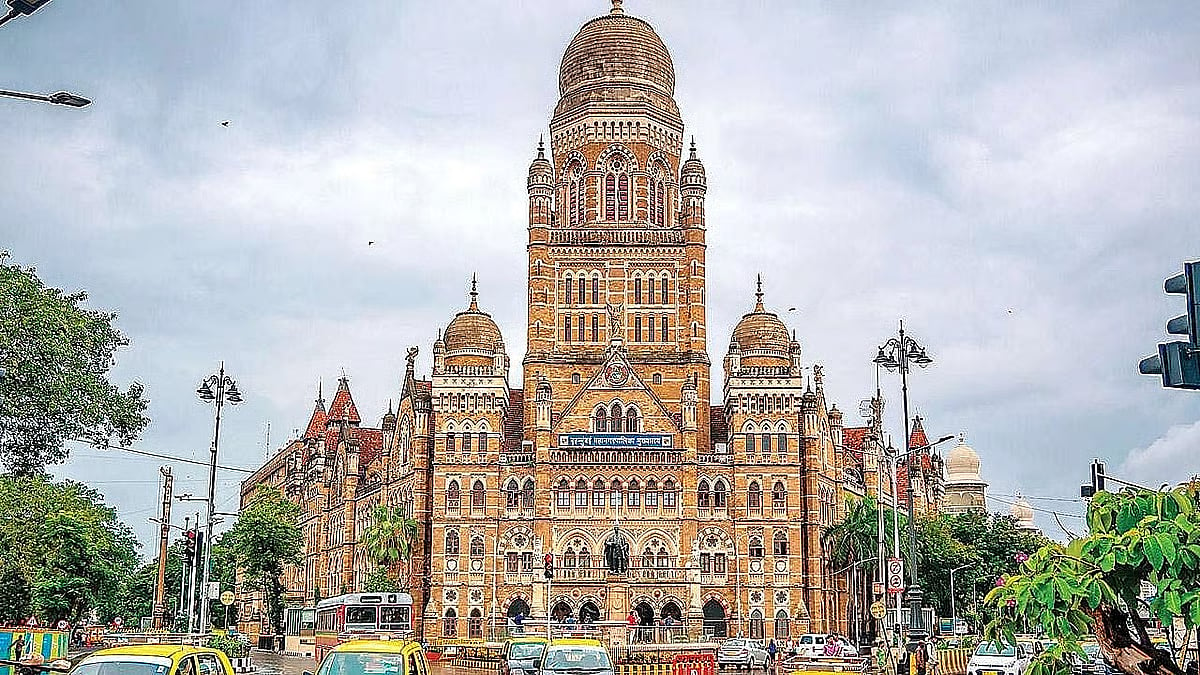
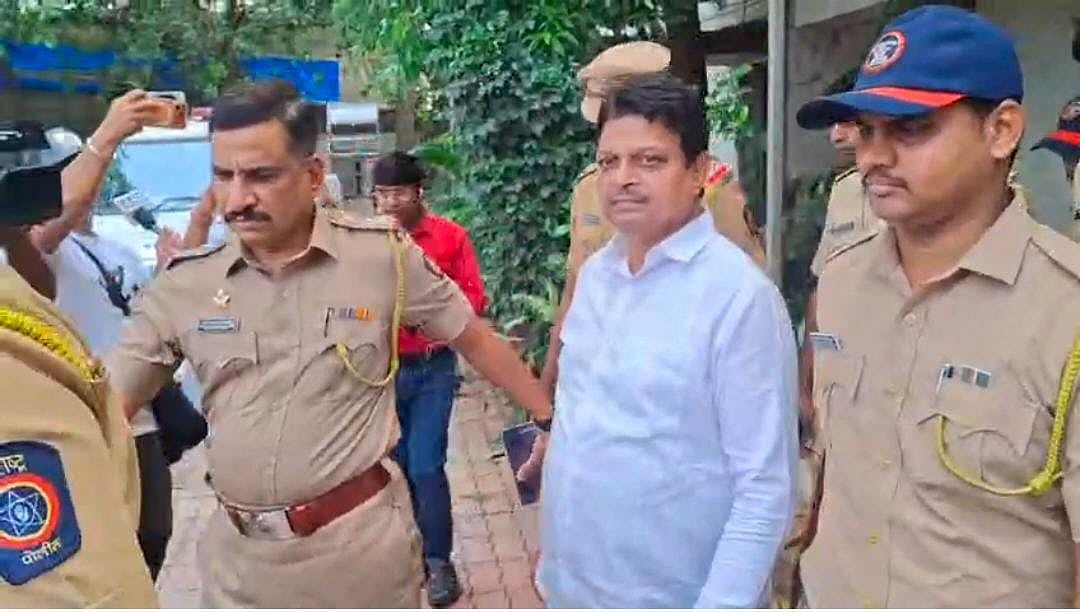
A significant development occurred in the Brihanmumbai Municipal Corporation (BMC) on Friday, as two more Opposition corporators were disqualified. Mayor Ritu Tawde announced the disqualification of All India Majlis-e-Ittehadul Muslimeen (AIMIM) corporator Roshan Shaikh and Nationalist Congress Party (NCP) corporator Bushra Nadeem Malik during the General Body meeting.
The disqualification of these two corporators comes after the District Caste Certificate Scrutiny Committee (DCCSC) invalidated their caste certificates. Roshan Shaikh, elected from Ward 138 (Mankhurd), and Bushra Nadeem Malik, elected from Ward 170 (Kurla East), both held Other Backward Class (Women) reserved seats.
The caste validity certificate submitted by Shaikh was invalidated by the Parbhani DCCSC on April 27, while Malik's certificate was rejected by the Akola DCCSC on July 2. Both certificates had been submitted following their election in January 2026. As a result, the memberships of both corporators stood automatically terminated from the dates on which their caste validity certificates were invalidated.
This latest action comes just a month after two other corporators, AIMIM's Shamir Ramzan Patel and Shiv Sena (UBT)'s Deepak Sawant, were unseated on identical grounds. With these four disqualifications, the strength of AIMIM in the 227-member BMC has fallen to five corporators, the NCP's to two, and Shiv Sena (UBT)'s to 64.
The BMC has been witnessing a series of disqualifications in recent times, with the primary reason being the invalidation of caste certificates. This has led to a significant change in the composition of the civic body, with various parties experiencing a shift in their representation.
The BMC is the primary civic body responsible for governing Mumbai, and its decisions have a direct impact on the lives of the city's residents. The disqualification of corporators can lead to a change in the balance of power within the BMC, potentially affecting the decision-making process.
In the context of Mumbai's civic governance, the disqualification of corporators is a significant development. The city's residents look up to the BMC to address various issues, ranging from infrastructure development to public health. Any changes in the composition of the BMC can have far-reaching consequences for the city's governance.
The recent disqualifications have brought the total number of disqualified corporators to four in just a month. This highlights the need for strict scrutiny of caste certificates to ensure that only eligible candidates are elected to the BMC.
In conclusion, the disqualification of two more BMC corporators over invalid caste certificates is a significant development in the city's civic governance. The change in the composition of the BMC can have far-reaching consequences for the city's residents, and it remains to be seen how the various parties will adapt to this new reality.
The city's residents will be closely watching the developments in the BMC, as they expect the civic body to continue addressing the various issues that affect their daily lives. The disqualification of corporators is a reminder that the BMC is a dynamic entity, and its composition can change over time.
As the BMC continues to evolve, it is essential for the city's residents to stay informed about the developments in the civic body. The disqualification of corporators is a significant development, and it will be interesting to see how the various parties respond to this change.
In the end, the disqualification of two more BMC corporators is a reminder that the city's civic governance is a complex and dynamic process. The city's residents expect the BMC to continue addressing their concerns, and the disqualification of corporators is a significant development in this context.