Bombay HC Tells FDA to Be Judicious
Pharma company challenges sale ban, HC intervenes. FDA must be fair.
'%3E%3Crect%20width%3D'96'%20height%3D'96'%20fill%3D'%23B3261E'%2F%3E%3Ccircle%20cx%3D'30'%20cy%3D'24'%20r%3D'44'%20fill%3D'%23fff'%20opacity%3D'.12'%2F%3E%3Ccircle%20cx%3D'60'%20cy%3D'74'%20r%3D'40'%20fill%3D'%23000'%20opacity%3D'.10'%2F%3E%3C%2Fg%3E%3Cg%20fill%3D'%23fff'%3E%3Crect%20x%3D'29'%20y%3D'49'%20width%3D'8'%20height%3D'19'%20rx%3D'1'%2F%3E%3Crect%20x%3D'39'%20y%3D'40'%20width%3D'9'%20height%3D'28'%20rx%3D'1'%2F%3E%3Crect%20x%3D'50'%20y%3D'45'%20width%3D'8'%20height%3D'23'%20rx%3D'1'%2F%3E%3Crect%20x%3D'60'%20y%3D'53'%20width%3D'7'%20height%3D'15'%20rx%3D'1'%2F%3E%3Crect%20x%3D'41'%20y%3D'34'%20width%3D'5'%20height%3D'6'%2F%3E%3C%2Fg%3E%3C%2Fsvg%3E)
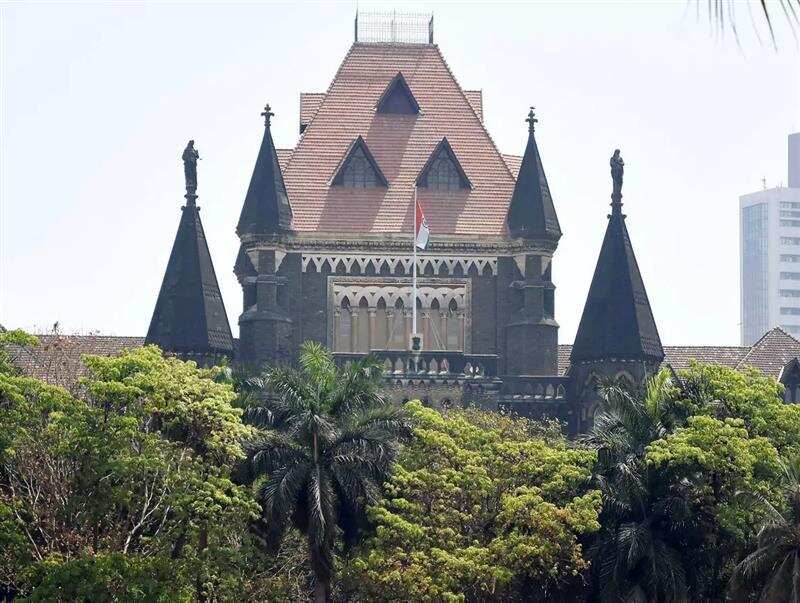
The Bombay High Court has instructed the Food and Drug Administration (FDA) to be judicious in its decision-making process. This comes after a pharmaceutical company challenged a ban on the sale of one of its products.
The company had approached the court, seeking relief from the FDA's decision to prohibit the sale of its product. The FDA had cited certain reasons for the ban, which the company claimed were unfair and not based on proper evidence.
The court, while hearing the matter, observed that the FDA must ensure that its decisions are fair and reasonable. The judges emphasized the need for the FDA to be judicious in its approach, taking into account all relevant factors before making any decisions.
The FDA is responsible for regulating the sale of food and drugs in the state. Its primary objective is to ensure that only safe and effective products are available to consumers. However, the court's intervention suggests that the FDA must also be mindful of the rights of pharmaceutical companies and ensure that its decisions are not arbitrary.
The pharmaceutical company had argued that the FDA's decision to ban the sale of its product was not based on any scientific evidence. The company claimed that it had complied with all relevant regulations and that the product was safe for consumption.
The court's decision is significant, as it highlights the need for regulatory bodies like the FDA to be fair and transparent in their decision-making processes. The judgment is also likely to have implications for other pharmaceutical companies that may be facing similar issues with the FDA.
The FDA has been entrusted with the responsibility of protecting public health. However, it must also ensure that its decisions do not unfairly harm the interests of pharmaceutical companies. The court's intervention is a reminder that regulatory bodies must strike a balance between protecting public health and promoting fair business practices.
In recent years, there have been several instances of pharmaceutical companies challenging decisions made by regulatory bodies. This judgment is likely to set a precedent for such cases, emphasizing the need for fairness and transparency in regulatory decision-making.
The Bombay High Court's decision is a significant development in the pharmaceutical industry. It underscores the importance of judicious decision-making by regulatory bodies and highlights the need for fairness and transparency in their actions.
The judgment is also a reminder that pharmaceutical companies have the right to challenge decisions made by regulatory bodies. This can help ensure that regulatory decisions are fair and reasonable, and that the rights of companies are protected.
In conclusion, the Bombay High Court's instruction to the FDA to be judicious is a significant development in the pharmaceutical industry. It highlights the need for fairness and transparency in regulatory decision-making and emphasizes the importance of protecting public health while promoting fair business practices.
Frequently asked questions
What was the Bombay High Court's instruction to the FDA?
The Bombay High Court instructed the FDA to be judicious in its decision-making process.
Why did the pharmaceutical company challenge the FDA's decision?
The company challenged the FDA's decision because it claimed that the ban was unfair and not based on proper evidence.