US Proposes Ending 60-Day Grace Period for H-1B Workers
H-1B visa holders may face immediate departure after job loss. Proposal under review.
'%3E%3Crect%20width%3D'96'%20height%3D'96'%20fill%3D'%234A235A'%2F%3E%3Ccircle%20cx%3D'30'%20cy%3D'24'%20r%3D'44'%20fill%3D'%23fff'%20opacity%3D'.12'%2F%3E%3Ccircle%20cx%3D'60'%20cy%3D'74'%20r%3D'40'%20fill%3D'%23000'%20opacity%3D'.10'%2F%3E%3C%2Fg%3E%3Cg%20fill%3D'none'%20stroke%3D'%23fff'%20stroke-width%3D'3'%3E%3Ccircle%20cx%3D'48'%20cy%3D'48'%20r%3D'16'%2F%3E%3Cellipse%20cx%3D'48'%20cy%3D'48'%20rx%3D'6.5'%20ry%3D'16'%2F%3E%3Cline%20x1%3D'32'%20y1%3D'42'%20x2%3D'64'%20y2%3D'42'%2F%3E%3Cline%20x1%3D'32'%20y1%3D'54'%20x2%3D'64'%20y2%3D'54'%2F%3E%3C%2Fg%3E%3C%2Fsvg%3E)
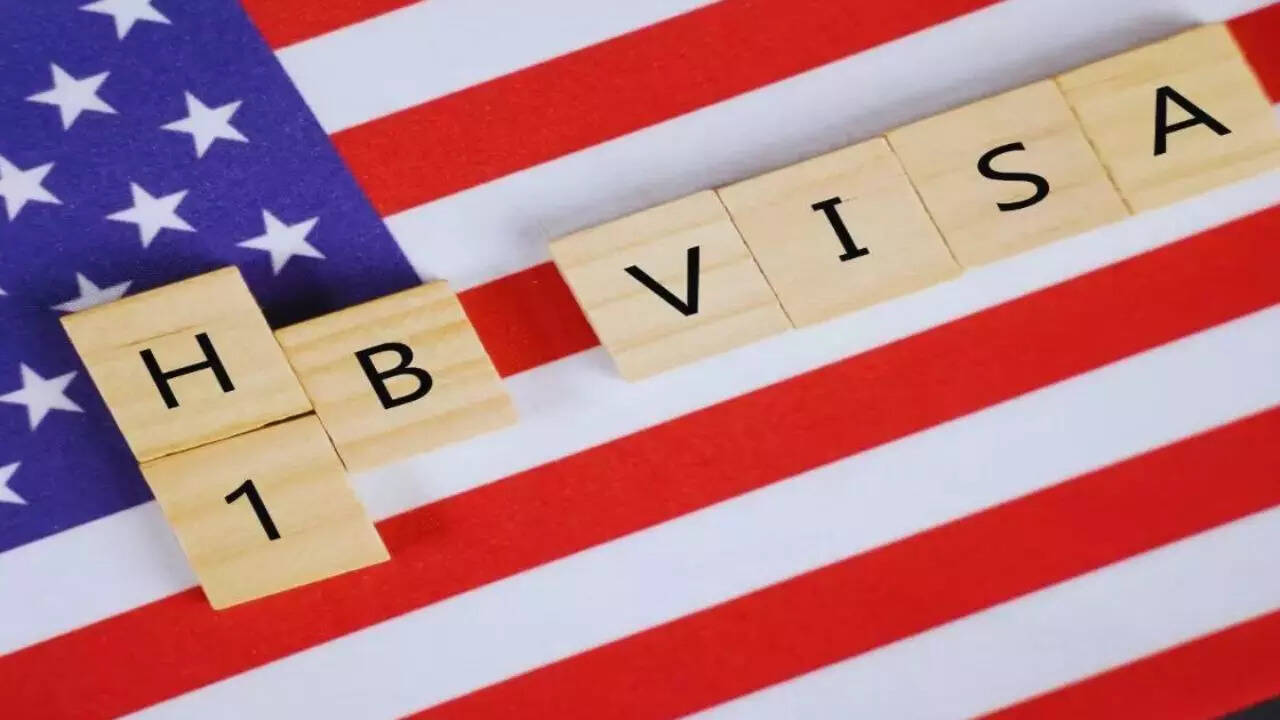
The US government has proposed a rule change that could eliminate the 60-day grace period for H-1B visa holders who lose their jobs. Currently, H-1B workers have 60 days to either find a new job, change their immigration status, or leave the United States after their employment is terminated. However, under the proposed rule, affected workers might need to depart the country immediately after job termination.
The proposed rule change applies not only to H-1B visa holders but also to several other temporary worker visa categories, including their dependents. This means that workers on other types of temporary visas, such as L-1 and O-1 visas, could also be affected by the change.
The proposal is currently under federal review and is open for public comment. This means that the US government is seeking feedback from the public and other stakeholders before making a final decision on the rule change.
The H-1B visa program is a popular pathway for foreign workers to come to the United States for employment. The program is designed for workers in specialty occupations, such as technology and healthcare. However, the program has been the subject of controversy and debate in recent years, with some arguing that it is used to displace American workers.
If the proposed rule change is implemented, it could have significant implications for H-1B visa holders and their employers. Workers who lose their jobs may face significant challenges in finding new employment or changing their immigration status within a short period of time. Employers may also face challenges in recruiting and retaining foreign workers.
The US government has been reviewing the H-1B visa program and other temporary worker visa programs in recent years. The goal of these reviews is to ensure that the programs are being used as intended and that they are not harming American workers.
The proposed rule change is part of a broader effort by the US government to reform the immigration system. The government has been seeking to make changes to the system to prioritize the hiring of American workers and to prevent the exploitation of foreign workers.
In the context of the US immigration system, the proposed rule change is significant. The H-1B visa program is one of the most popular pathways for foreign workers to come to the United States, and any changes to the program could have far-reaching implications.
The impact of the proposed rule change on H-1B visa holders and their employers could be significant. Workers who lose their jobs may face significant challenges in finding new employment or changing their immigration status. Employers may also face challenges in recruiting and retaining foreign workers.
Overall, the proposed rule change is an important development in the US immigration system. It highlights the ongoing debate and controversy surrounding the H-1B visa program and other temporary worker visa programs. As the US government continues to review and reform the immigration system, it is likely that there will be further changes to the H-1B visa program and other temporary worker visa programs in the future.
The proposed rule change has significant implications for India, as many Indian workers are H-1B visa holders. The change could affect the ability of Indian workers to work in the United States and could have implications for the Indian economy.
In conclusion, the US government's proposal to eliminate the 60-day grace period for H-1B visa holders is a significant development in the US immigration system. The proposed rule change could have far-reaching implications for H-1B visa holders, their employers, and the US economy as a whole.
Frequently asked questions
What is the current grace period for H-1B visa holders after job loss?
The current grace period is 60 days.
What is the proposed change to the H-1B visa program?
The proposed change would eliminate the 60-day grace period, requiring workers to depart the US immediately after job termination.