Experimental HIV Vaccine Shows Promise
New HIV vaccine candidate delivers encouraging results in primate study, offering hope in preventing HIV infection. Developed by US scientists, it stimulates production of rare antibodies to combat HIV.

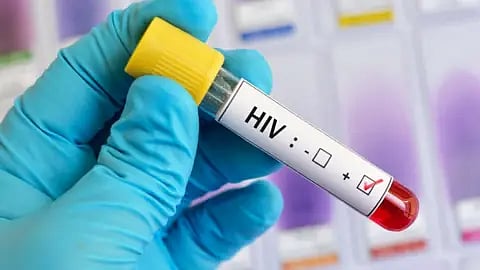
In a significant breakthrough, an experimental HIV vaccine candidate has shown promising results in a preclinical study involving primates. The vaccine, developed by scientists from the La Jolla Institute for Immunology, Scripps Research, and the International AIDS Vaccine Initiative, is designed to stimulate the production of rare broadly neutralising antibodies capable of combating HIV despite its rapid mutations.
According to the La Jolla Institute for Immunology, this is the first HIV vaccine candidate to generate high levels of these virus-fighting antibodies in primates. The research was co-led by Shane Crotty, chief scientific officer at LJI, and William Schief, professor at Scripps Research. Crotty described the results as a huge success, stating that the team constructed a successful vaccine from the ground up, which required a deep understanding of the immune system.
The vaccine works by guiding the maturation of B cells, the immune cells responsible for producing antibodies. B cells begin in a naïve state and mature after recognising parts of a pathogen, enabling them to generate antibodies that bind to the pathogen and help prevent infection. As they mature, B cells refine these antibodies to improve their ability to target vulnerable sites on viruses.
HIV has remained a formidable challenge due to its complex defence mechanisms. The virus surrounds itself with constantly shifting sugar molecules, known as glycans, allowing it to escape detection by immune cells. It also mutates at an extraordinary rate and changes its shape while infecting human cells, making previously produced antibodies ineffective. To overcome this challenge, the research team traced the development of HIV-targeting B cells in reverse to understand how they evolved after exposure to specific parts of the virus.
The vaccine candidate was tested in rhesus macaques at the Emory National Primate Research Center, with promising results. About 44% of the animals produced broadly neutralising antibodies against HIV, with the antibodies present in substantial quantities. This breakthrough comes after 14 years of research and offers fresh hope in the long-standing effort to prevent HIV infection.
The implications of this discovery are significant, as it could potentially lead to the development of an effective HIV vaccine. While more research is needed to confirm the results and move the vaccine to human trials, the findings are a major step forward in the fight against HIV. The research team's innovative approach to understanding the immune system and developing a vaccine that can stimulate the production of broadly neutralising antibodies has opened up new avenues for HIV research and treatment.
As the research continues to advance, it is likely to have a significant impact on the global effort to combat HIV. The development of an effective HIV vaccine could save millions of lives and prevent countless new infections. While there is still much work to be done, the promising results of this preclinical study offer a glimmer of hope in the ongoing battle against this devastating disease.
In the coming months and years, the research team will continue to refine the vaccine and prepare it for human trials. If successful, the vaccine could become a powerful tool in the fight against HIV, providing a new level of protection for those at risk of infection. As the world continues to grapple with the challenges of HIV, this breakthrough offers a beacon of hope for a future where the disease can be prevented and eventually eradicated.
The study's findings have been met with enthusiasm from the scientific community, with many experts hailing the results as a major breakthrough. As the research continues to advance, it is likely to have a significant impact on the global effort to combat HIV. The development of an effective HIV vaccine could be a game-changer in the fight against this devastating disease, and the promising results of this preclinical study offer a glimpse of a future where HIV is no longer a major public health threat.
In conclusion, the experimental HIV vaccine candidate has shown promising results in a preclinical study involving primates, offering fresh hope in the long-standing effort to prevent HIV infection. The vaccine's ability to stimulate the production of broadly neutralising antibodies makes it a potential game-changer in the fight against HIV. As the research continues to advance, it is likely to have a significant impact on the global effort to combat this devastating disease.