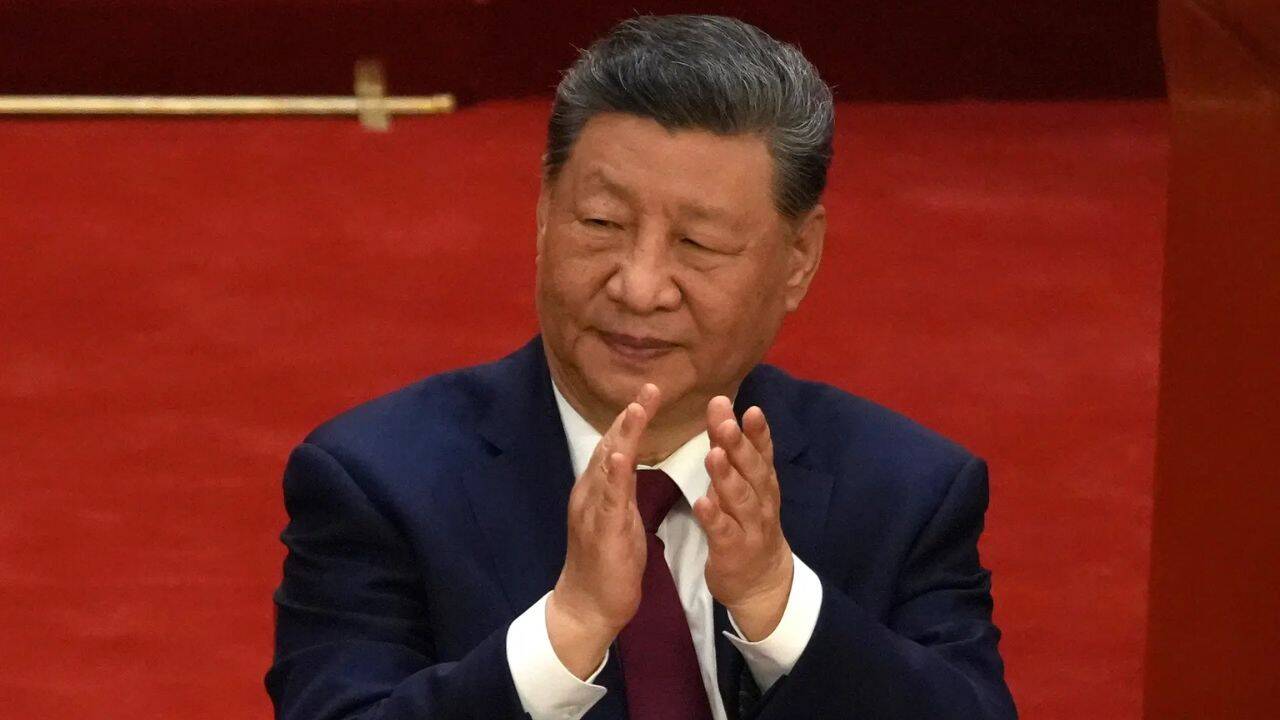
NYC Mayor Attacks Wealth Inequality, Sparks Clash With Elon Musk
New York City Mayor Zohran Mamdani used America's Independence Day to criticize extreme wealth concentration, targeting billionaires like Elon Musk. Musk fired back, dismissing the mayor's push for higher taxes on the ultra-rich as resentment-driven rather than innovation-focused.

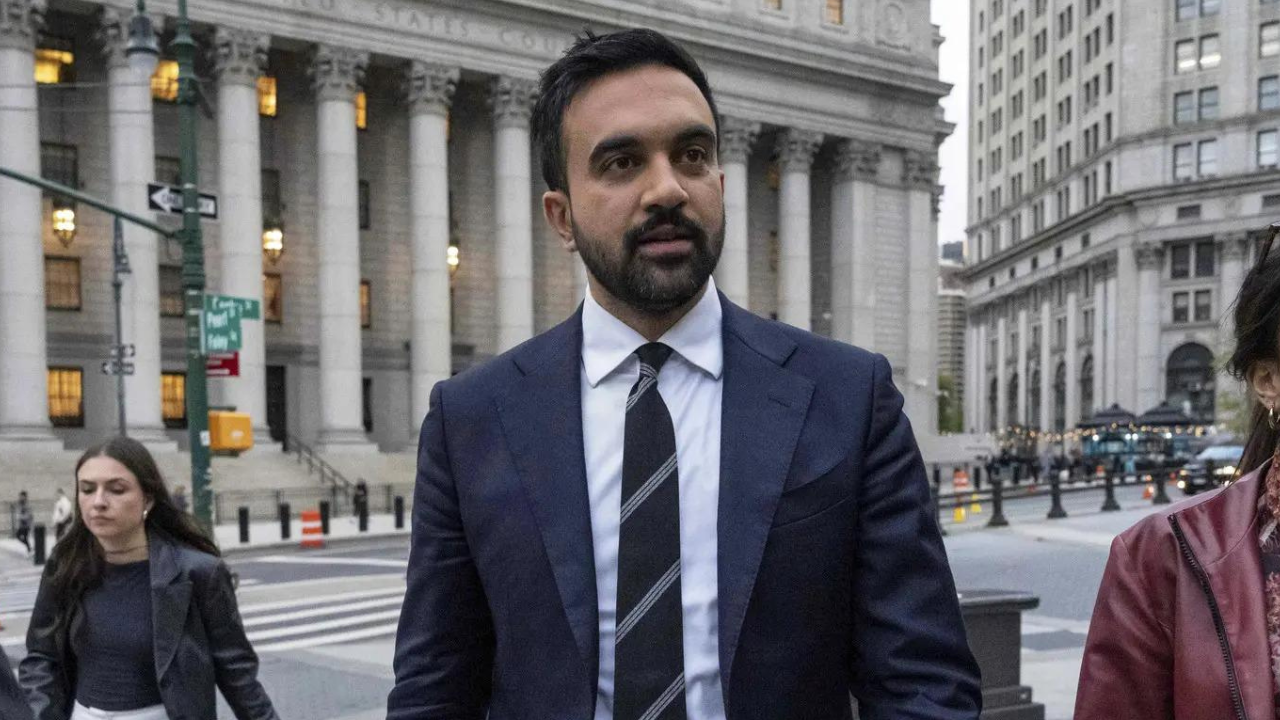
New York City Mayor Zohran Mamdani has reignited a high-profile debate over wealth inequality in America, using the 250th anniversary of US Independence to challenge the accumulation of vast personal fortunes by technology billionaires, particularly Elon Musk, Tesla's chief executive.
During his Independence Day remarks, Mamdani drew sharp attention to the contradiction between extraordinary wealth concentration and persistent hunger across America's cities. He argued that this disparity represents a fundamental failure of the American promise and proposed implementing higher tax rates on ultra-wealthy individuals as a solution to address New York City's growing fiscal deficits. The mayor's comments were directed at wealthy entrepreneurs without explicitly naming Musk, though the implication was widely understood given the Tesla founder's status as one of the world's richest people.
Musk responded swiftly to the criticism, rejecting Mamdani's characterization of his wealth accumulation. The billionaire entrepreneur countered that the mayor's argument was rooted in promoting resentment toward successful business leaders rather than fostering genuine solutions through innovation and entrepreneurship. Musk suggested that higher taxation on the wealthy could stifle the very innovation that drives economic growth and job creation.
This public exchange highlights an increasingly visible divide between progressive political leaders in major American cities and the new generation of technology entrepreneurs who have amassed enormous fortunes through their companies. Both sides have presented fundamentally different visions: one focused on redistribution and addressing inequality through taxation, the other emphasizing that wealth creation and innovation are the engines that ultimately benefit society broadly.
The debate reflects broader tensions in American politics surrounding how to balance economic opportunity with social equity. Mamdani's push for higher taxes on the ultra-rich aligns with progressive policy proposals that have gained traction among Democratic politicians, while Musk's counter-argument echoes libertarian and business-friendly positions increasingly championed by conservative figures.
As this ideological clash continues, it remains unclear whether either side will convince the other, but the visibility of such exchanges suggests these tensions will remain central to American political discourse in coming years.