AICPDF Demands Uniform Food Safety Norms For Dark Stores
AICPDF calls for uniform food-safety norms amid hygiene concerns. Inspections reveal deficiencies in dark stores.
'%3E%3Crect%20width%3D'96'%20height%3D'96'%20fill%3D'%23B3261E'%2F%3E%3Ccircle%20cx%3D'30'%20cy%3D'24'%20r%3D'44'%20fill%3D'%23fff'%20opacity%3D'.12'%2F%3E%3Ccircle%20cx%3D'60'%20cy%3D'74'%20r%3D'40'%20fill%3D'%23000'%20opacity%3D'.10'%2F%3E%3C%2Fg%3E%3Cg%20fill%3D'%23fff'%3E%3Crect%20x%3D'29'%20y%3D'49'%20width%3D'8'%20height%3D'19'%20rx%3D'1'%2F%3E%3Crect%20x%3D'39'%20y%3D'40'%20width%3D'9'%20height%3D'28'%20rx%3D'1'%2F%3E%3Crect%20x%3D'50'%20y%3D'45'%20width%3D'8'%20height%3D'23'%20rx%3D'1'%2F%3E%3Crect%20x%3D'60'%20y%3D'53'%20width%3D'7'%20height%3D'15'%20rx%3D'1'%2F%3E%3Crect%20x%3D'41'%20y%3D'34'%20width%3D'5'%20height%3D'6'%2F%3E%3C%2Fg%3E%3C%2Fsvg%3E)
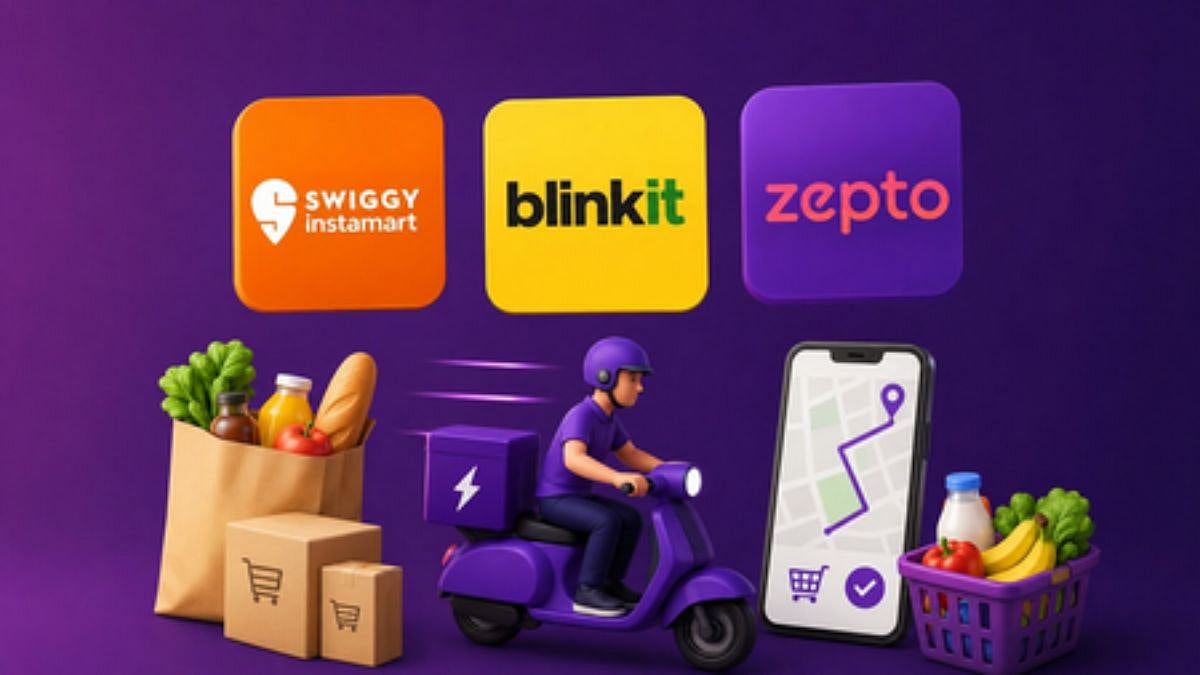
The All India Consumer Products Distributors Federation (AICPDF) has demanded a uniform regulatory framework for quick-commerce dark stores, such as Zepto, Blinkit, and Swiggy Instamart, due to rising concerns over food-safety and hygiene violations.
This demand comes after the Maharashtra Food and Drug Administration (FDA) conducted inspections at 86 establishments involved in online food storage and delivery, resulting in the suspension of 14 food-business licenses linked to these companies. The inspections revealed deficiencies related to food storage, temperature control, cleanliness, pest management, worker hygiene, and food handling.
The AICPDF highlighted several incidents related to quick commerce stores, including a viral video showing a live rat inside an ice-cream storage crate at a Blinkit outlet in Kalyan. The federation also pointed to reports of expired food products being found at a Zepto outlet in Pune.
According to AICPDF National President Dhairyashil H. Patil, consumers should not have to become food inspectors to ensure their safety. The federation has approached the Food Safety and Standards Authority of India (FSSAI) and the Union Health Ministry seeking mandatory, scientifically determined storage and hygiene norms specifically for quick-commerce warehouses and dark stores.
The proposed framework includes requirements for adequate storage space, segregation of food categories, dedicated areas for damaged and expired products, cold-chain compliance, pest control, periodic audits, and surprise inspections. The AICPDF supports quick-commerce growth but wants uniform regulatory standards across traditional and digital retail channels.
The federation's demand for uniform food-safety norms is crucial, given the rapid growth of the quick-commerce industry. With companies promising delivery in 10 minutes, food safety cannot be compromised. The AICPDF's proposal for a scientific SKU-to-space framework, which links minimum storage area to the number of stock-keeping units handled by a facility, is a step in the right direction.
In recent years, the quick-commerce industry has expanded rapidly, with companies like Zepto, Blinkit, and Swiggy Instamart operating in several cities across India. However, this growth has also raised concerns about food safety and hygiene. The AICPDF's demand for uniform regulatory standards is a timely reminder that food safety should be a top priority for all operators, regardless of their business model.
The FSSAI and the Union Health Ministry must evaluate and standardize the proposed norms to ensure that consumers have access to safe and healthy food. The AICPDF's efforts to promote uniform food-safety norms are commendable, and their proposals should be considered seriously by the regulatory authorities.
In conclusion, the AICPDF's demand for uniform food-safety norms for dark stores is a crucial step towards ensuring consumer safety. The quick-commerce industry must prioritize food safety and hygiene, and regulatory authorities must establish and enforce uniform standards to prevent violations.
The issue of food safety is not limited to the quick-commerce industry but is a broader concern that affects the entire food supply chain. The AICPDF's proposal for uniform regulatory standards is a step towards addressing this concern and promoting a culture of food safety in India.
Ultimately, the success of the quick-commerce industry depends on its ability to prioritize food safety and hygiene. By establishing and enforcing uniform regulatory standards, the industry can ensure that consumers have access to safe and healthy food, which is essential for building trust and promoting growth.
The AICPDF's demand for uniform food-safety norms is a wake-up call for the quick-commerce industry and regulatory authorities to take food safety seriously. It is essential to establish a robust regulatory framework that prioritizes consumer safety and promotes a culture of food safety in India.
The demand for uniform food-safety norms is not only a concern for the quick-commerce industry but also for the entire food supply chain. It is crucial to establish a uniform regulatory framework that ensures food safety and hygiene across all channels, including traditional and digital retail.
In the context of the quick-commerce industry, uniform food-safety norms are essential to prevent violations and ensure consumer safety. The AICPDF's proposal for a scientific SKU-to-space framework and requirements for adequate storage space, segregation of food categories, and dedicated areas for damaged and expired products are crucial steps towards promoting food safety.
The issue of food safety is complex and requires a multi-faceted approach. The AICPDF's demand for uniform food-safety norms is a critical step towards addressing this concern and promoting a culture of food safety in India. It is essential to establish a robust regulatory framework that prioritizes consumer safety and promotes a culture of food safety across the entire food supply chain.
The AICPDF's efforts to promote uniform food-safety norms are commendable, and their proposals should be considered seriously by the regulatory authorities. The demand for uniform food-safety norms is a timely reminder that food safety should be a top priority for all operators, regardless of their business model.
The quick-commerce industry must prioritize food safety and hygiene, and regulatory authorities must establish and enforce uniform standards to prevent violations. The AICPDF's proposal for uniform regulatory standards is a step towards addressing the concern of food safety and promoting a culture of food safety in India.
The success of the quick-commerce industry depends on its ability to prioritize food safety and hygiene. By establishing and enforcing uniform regulatory standards, the industry can ensure that consumers have access to safe and healthy food, which is essential for building trust and promoting growth.
The demand for uniform food-safety norms is a critical step towards promoting food safety and hygiene in the quick-commerce industry. The AICPDF's proposal for a scientific SKU-to-space framework and requirements for adequate storage space, segregation of food categories, and dedicated areas for damaged and expired products are crucial steps towards promoting food safety.
In conclusion, the AICPDF's demand for uniform food-safety norms for dark stores is a crucial step towards ensuring consumer safety. The quick-commerce industry must prioritize food safety and hygiene, and regulatory authorities must establish and enforce uniform standards to prevent violations. The issue of food safety is complex and requires a multi-faceted approach, and the AICPDF's efforts to promote uniform food-safety norms are commendable.
What it means for Mumbai is that the city's residents will have access to safer and healthier food options if the uniform food-safety norms are implemented. The quick-commerce industry is rapidly growing in Mumbai, and the demand for uniform food-safety norms will ensure that consumers have access to safe and healthy food.
The implementation of uniform food-safety norms will also promote a culture of food safety in Mumbai, which is essential for building trust and promoting growth in the quick-commerce industry. The AICPDF's proposal for uniform regulatory standards is a step towards addressing the concern of food safety and promoting a culture of food safety in Mumbai.
In the end, the demand for uniform food-safety norms is a critical step towards promoting food safety and hygiene in the quick-commerce industry. The AICPDF's efforts to promote uniform food-safety norms are commendable, and their proposals should be considered seriously by the regulatory authorities. The success of the quick-commerce industry depends on its ability to prioritize food safety and hygiene, and the implementation of uniform food-safety norms will ensure that consumers have access to safe and healthy food options in Mumbai.
Frequently asked questions
What is the AICPDF demanding?
The AICPDF is demanding uniform food-safety norms for dark stores, including Zepto, Blinkit, and Swiggy Instamart.
Why is the AICPDF demanding uniform food-safety norms?
The AICPDF is demanding uniform food-safety norms due to rising concerns over food-safety and hygiene violations in the quick-commerce industry.