Bombay HC Suggests Symbolic Ganesha Immersion
Court asks Maharashtra to consider eco-friendly option, alternative proposal presented
'%3E%3Crect%20width%3D'96'%20height%3D'96'%20fill%3D'%23B3261E'%2F%3E%3Ccircle%20cx%3D'30'%20cy%3D'24'%20r%3D'44'%20fill%3D'%23fff'%20opacity%3D'.12'%2F%3E%3Ccircle%20cx%3D'60'%20cy%3D'74'%20r%3D'40'%20fill%3D'%23000'%20opacity%3D'.10'%2F%3E%3C%2Fg%3E%3Cg%20fill%3D'%23fff'%3E%3Crect%20x%3D'29'%20y%3D'49'%20width%3D'8'%20height%3D'19'%20rx%3D'1'%2F%3E%3Crect%20x%3D'39'%20y%3D'40'%20width%3D'9'%20height%3D'28'%20rx%3D'1'%2F%3E%3Crect%20x%3D'50'%20y%3D'45'%20width%3D'8'%20height%3D'23'%20rx%3D'1'%2F%3E%3Crect%20x%3D'60'%20y%3D'53'%20width%3D'7'%20height%3D'15'%20rx%3D'1'%2F%3E%3Crect%20x%3D'41'%20y%3D'34'%20width%3D'5'%20height%3D'6'%2F%3E%3C%2Fg%3E%3C%2Fsvg%3E)
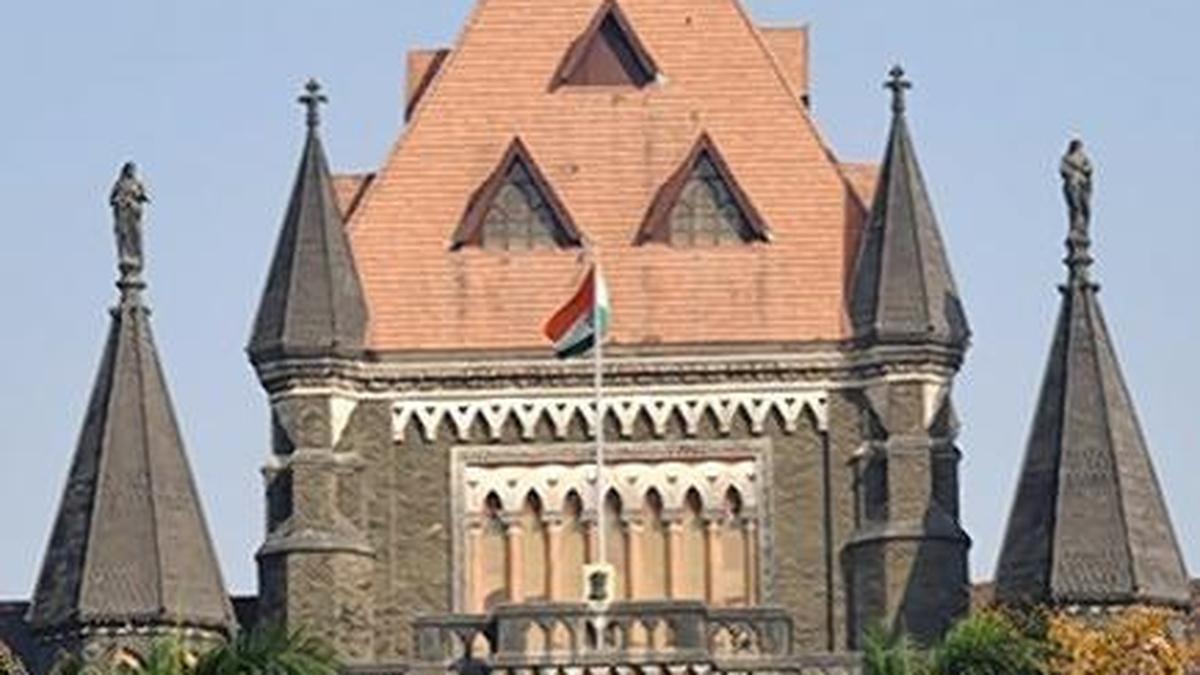
The Bombay High Court has asked the Maharashtra government to consider implementing symbolic immersion for large Ganesha idols. This suggestion comes as a measure to reduce environmental pollution caused by the immersion of idols in water bodies.
The court's directive is a response to a petition filed by the Shri Ganesh Murtikar Utkarsha Sastha, Thane, which is represented by senior advocate Sanjeev Gorwadkar. The petitioner presented an alternative proposal to the court, which is being considered as a potential solution to the environmental concerns.
The immersion of Ganesha idols in water bodies has been a long-standing tradition in Maharashtra, particularly during the Ganesh Chaturthi festival. However, this practice has been criticized for causing water pollution and harming aquatic life. The use of plaster of Paris and other non-biodegradable materials in the idols has been identified as a major contributor to the problem.
The Maharashtra government has been under pressure to find a solution to this issue, with various environmental groups and citizens' organizations advocating for more eco-friendly practices. The court's suggestion of symbolic immersion is seen as a step in the right direction, as it could help reduce the environmental impact of the festival.
Symbolic immersion involves the use of artificial water bodies or other alternatives to traditional immersion methods. This approach has been adopted in some parts of the state, with positive results. The court's directive is expected to encourage the government to explore this option further and implement it on a larger scale.
The Shri Ganesh Murtikar Utkarsha Sastha, Thane, has welcomed the court's suggestion, stating that it is willing to work with the government to find a solution that balances religious traditions with environmental concerns. The organization has proposed alternative methods for immersion, including the use of artificial ponds and water treatment plants.
The Maharashtra government is expected to respond to the court's directive and present its plan for implementing symbolic immersion for large Ganesha idols. The move is seen as a significant step towards reducing environmental pollution and promoting sustainable practices during the Ganesh Chaturthi festival.
The court's decision highlights the need for a balanced approach to religious traditions and environmental concerns. As the state prepares for the upcoming Ganesh Chaturthi festival, the government and citizens' organizations are working together to find solutions that minimize the environmental impact of the celebrations.
In conclusion, the Bombay High Court's suggestion of symbolic immersion for large Ganesha idols is a positive step towards reducing environmental pollution in Maharashtra. The state government's response to the court's directive will be closely watched, as it has the potential to make a significant impact on the environment and promote sustainable practices during the Ganesh Chaturthi festival.
Frequently asked questions
What is symbolic immersion of Ganesha idols?
Symbolic immersion involves the use of artificial water bodies or other alternatives to traditional immersion methods.
Why is the Bombay High Court suggesting symbolic immersion?
The court is suggesting symbolic immersion to reduce environmental pollution caused by the immersion of idols in water bodies.