Mumbai University Hostel Faces Water Shortage
Mumbai University girls hostel struggles with water shortage, High Court steps in
'%3E%3Crect%20width%3D'96'%20height%3D'96'%20fill%3D'%23B3261E'%2F%3E%3Ccircle%20cx%3D'30'%20cy%3D'24'%20r%3D'44'%20fill%3D'%23fff'%20opacity%3D'.12'%2F%3E%3Ccircle%20cx%3D'60'%20cy%3D'74'%20r%3D'40'%20fill%3D'%23000'%20opacity%3D'.10'%2F%3E%3C%2Fg%3E%3Cg%20fill%3D'%23fff'%3E%3Crect%20x%3D'29'%20y%3D'49'%20width%3D'8'%20height%3D'19'%20rx%3D'1'%2F%3E%3Crect%20x%3D'39'%20y%3D'40'%20width%3D'9'%20height%3D'28'%20rx%3D'1'%2F%3E%3Crect%20x%3D'50'%20y%3D'45'%20width%3D'8'%20height%3D'23'%20rx%3D'1'%2F%3E%3Crect%20x%3D'60'%20y%3D'53'%20width%3D'7'%20height%3D'15'%20rx%3D'1'%2F%3E%3Crect%20x%3D'41'%20y%3D'34'%20width%3D'5'%20height%3D'6'%2F%3E%3C%2Fg%3E%3C%2Fsvg%3E)
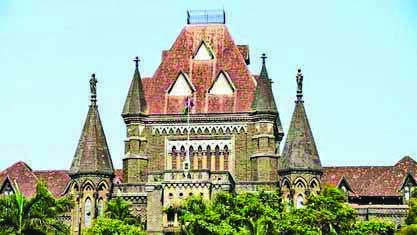
A severe water shortage has hit the girls hostel at Mumbai University, prompting the Bombay High Court to initiate a suo motu Public Interest Litigation (PIL). The court's decision comes after it took note of a letter written by a law student, highlighting the dire situation at the hostel.
The student's letter detailed the difficulties faced by the hostel's residents, who have been struggling to access basic amenities like water for their daily needs.
The High Court has asked the university and the state government to respond to the situation and provide a plan to address the water shortage.
The university has been facing criticism for its handling of the situation, with many students and parents expressing concern over the lack of basic facilities.
The water shortage has been a persistent issue at the hostel, with students often having to rely on external sources for their daily water needs.
The High Court's intervention is seen as a significant step towards addressing the issue and ensuring that the students have access to basic amenities.
The court has scheduled a hearing for the PIL and has asked the respondents to submit their reports before the next hearing.
The Mumbai University girls hostel is home to hundreds of students, and the water shortage has been causing significant distress among the residents.
The university administration has been under pressure to resolve the issue, and the High Court's intervention is expected to expedite the process.
In recent years, Mumbai University has faced several infrastructure-related issues, including problems with hostel facilities and basic amenities.
The university has been working to address these issues, but the pace of progress has been slow.
The High Court's decision to initiate a PIL is a significant development, and it is expected to have a positive impact on the students' living conditions.
The water shortage at the Mumbai University girls hostel is a symptom of a larger issue - the lack of adequate infrastructure and basic amenities in educational institutions.
The situation highlights the need for improved facilities and services in hostels and other student accommodations.
The High Court's intervention is a step towards addressing this issue and ensuring that students have access to basic necessities like water and sanitation.
The case is expected to have implications for other educational institutions in the state, and it may lead to improved facilities and services for students across Maharashtra.
The Bombay High Court's decision to initiate a suo motu PIL is a significant development, and it reflects the court's commitment to protecting the rights of citizens, including students.
The court's intervention is expected to have a positive impact on the students' living conditions and will likely lead to improved facilities and services at the Mumbai University girls hostel.
The case is a reminder of the importance of access to basic amenities like water and sanitation, and it highlights the need for educational institutions to prioritize the needs of their students.
In conclusion, the water shortage at the Mumbai University girls hostel is a serious issue that requires immediate attention.
The High Court's intervention is a significant step towards addressing the problem, and it is expected to have a positive impact on the students' living conditions.
The case highlights the need for improved facilities and services in educational institutions and underscores the importance of access to basic amenities like water and sanitation.
Frequently asked questions
What is the current situation at the Mumbai University girls hostel?
The hostel is facing a severe water shortage, and the High Court has initiated a suo motu PIL to address the issue.
What has the High Court asked the university and state government to do?
The High Court has asked the university and the state government to respond to the situation and provide a plan to address the water shortage.