FIFA World Cup 2026 May Trigger $17bn Loss
FIFA World Cup 2026 could lead to massive productivity loss. Fans rejoice, employers worry.
'%3E%3Crect%20width%3D'96'%20height%3D'96'%20fill%3D'%231B5E20'%2F%3E%3Ccircle%20cx%3D'30'%20cy%3D'24'%20r%3D'44'%20fill%3D'%23fff'%20opacity%3D'.12'%2F%3E%3Ccircle%20cx%3D'60'%20cy%3D'74'%20r%3D'40'%20fill%3D'%23000'%20opacity%3D'.10'%2F%3E%3C%2Fg%3E%3Cg%3E%3Ccircle%20cx%3D'48'%20cy%3D'48'%20r%3D'15'%20fill%3D'%23fff'%2F%3E%3Cpath%20d%3D'M43%2034%20Q50%2048%2043%2062'%20fill%3D'none'%20stroke%3D'%238a94a6'%20stroke-width%3D'2.4'%2F%3E%3Cpath%20d%3D'M47%2033%20Q54%2048%2047%2063'%20fill%3D'none'%20stroke%3D'%238a94a6'%20stroke-width%3D'1.8'%20stroke-dasharray%3D'1.5%203'%2F%3E%3C%2Fg%3E%3C%2Fsvg%3E)
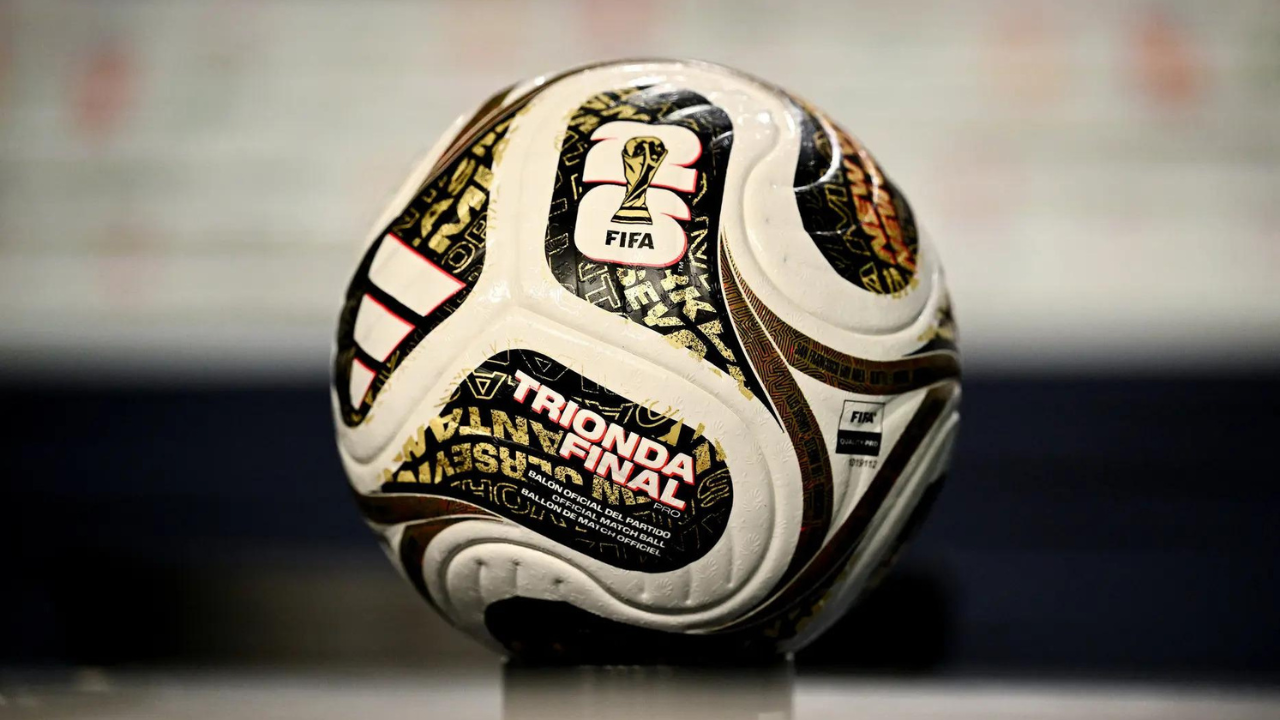
The upcoming FIFA World Cup 2026 is expected to bring immense joy to football fans worldwide. However, this excitement may come at a significant cost to employers and the global economy. According to estimates, the tournament could trigger a whopping $17 billion loss in productivity worldwide.
The FIFA World Cup is one of the most widely viewed and followed sporting events globally. With millions of fans tuning in to watch their favorite teams and players, it's no surprise that work hours and productivity take a hit. Employers and managers are bracing themselves for the potential impact on their businesses.
The loss in productivity can be attributed to various factors, including employees taking time off to watch matches, discussing games and highlights with colleagues, and decreased focus on work tasks. Additionally, the tournament's schedule, which often features matches during work hours, can further exacerbate the issue.
The $17 billion estimate is a staggering figure, highlighting the significant impact that the FIFA World Cup can have on the global economy. This loss can be broken down into various sectors, including decreased work hours, reduced productivity, and increased absenteeism.
In the past, similar sporting events have resulted in significant productivity losses. For instance, the 2018 FIFA World Cup in Russia saw an estimated $10 billion loss in productivity worldwide. The 2026 tournament is expected to be even bigger, with more teams, matches, and viewers, which could lead to an even greater impact on the global economy.
The FIFA World Cup 2026 is scheduled to take place in the United States, Canada, and Mexico, featuring 48 teams and a total of 80 matches. The tournament's expanded format and increased viewership are expected to contribute to the potential $17 billion loss in productivity.
While the loss in productivity may be a concern for employers, it's essential to note that the FIFA World Cup also brings numerous benefits, including increased morale, teamwork, and social engagement among employees. Many companies are now embracing the tournament as an opportunity to boost employee morale and foster a sense of community.
In conclusion, the FIFA World Cup 2026 is expected to have a significant impact on the global economy, with an estimated $17 billion loss in productivity. While this figure may seem alarming, it's essential to consider the tournament's benefits and the joy it brings to millions of fans worldwide.
The FIFA World Cup 2026 will undoubtedly be a spectacular event, featuring the world's best football teams and players. As fans gear up to cheer on their favorite teams, employers must find ways to mitigate the potential impact on productivity and make the most of this global sporting phenomenon.
The tournament's impact will be felt worldwide, with fans from all corners of the globe tuning in to watch the action unfold. As the world comes together to celebrate the beautiful game, it's essential to recognize the potential consequences on the global economy and find ways to balance work and play.
In the end, the FIFA World Cup 2026 will be a celebration of football, community, and sportsmanship. While the potential loss in productivity may be a concern, it's essential to remember that the tournament's benefits extend far beyond the workplace, bringing people together and creating lasting memories for fans worldwide.