Meghalaya To Ban Uranium Mining Permanently
Meghalaya government to introduce resolution, Chief Minister Conrad Sangma reaffirms opposition
'%3E%3Crect%20width%3D'96'%20height%3D'96'%20fill%3D'%231A5276'%2F%3E%3Ccircle%20cx%3D'30'%20cy%3D'24'%20r%3D'44'%20fill%3D'%23fff'%20opacity%3D'.12'%2F%3E%3Ccircle%20cx%3D'60'%20cy%3D'74'%20r%3D'40'%20fill%3D'%23000'%20opacity%3D'.10'%2F%3E%3C%2Fg%3E%3Cg%20fill%3D'%23fff'%3E%3Cpath%20d%3D'M31%2041%20L48%2031%20L65%2041%20Z'%2F%3E%3Crect%20x%3D'33'%20y%3D'43'%20width%3D'4'%20height%3D'17'%2F%3E%3Crect%20x%3D'41'%20y%3D'43'%20width%3D'4'%20height%3D'17'%2F%3E%3Crect%20x%3D'51'%20y%3D'43'%20width%3D'4'%20height%3D'17'%2F%3E%3Crect%20x%3D'59'%20y%3D'43'%20width%3D'4'%20height%3D'17'%2F%3E%3Crect%20x%3D'30'%20y%3D'62'%20width%3D'36'%20height%3D'4'%20rx%3D'1'%2F%3E%3C%2Fg%3E%3C%2Fsvg%3E)
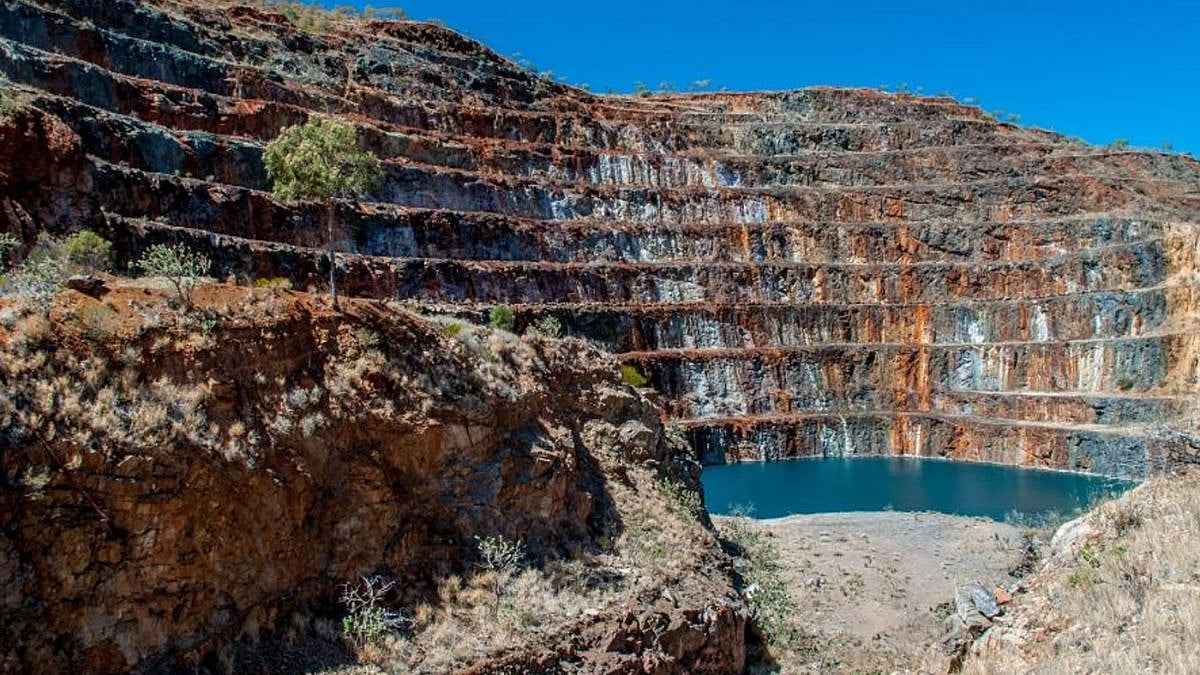
The Meghalaya government has announced plans to introduce a resolution in the State Assembly to permanently ban uranium mining. This move comes amid renewed speculation over the possibility of uranium mining in the state.
Chief Minister Conrad K. Sangma stated that the government has never approved uranium mining and the proposed resolution will formally oppose and ban any such activity. The resolution aims to address public concerns over the environmental, ecological, and social consequences of uranium extraction.
The issue of uranium mining has been a longstanding concern in Meghalaya, with civil society organisations and local communities opposing it due to concerns over radiation hazards, environmental degradation, and displacement of indigenous communities. Successive state governments have faced demands to clarify their stand on the issue.
According to Chief Minister Sangma, the resolution will provide a clear policy direction and help put to rest years of speculation and uncertainty regarding the state's position on uranium mining. The state government's priority is to safeguard Meghalaya's fragile ecology and protect the interests of its people while ensuring sustainable and environmentally responsible development.
The proposed resolution is expected to be tabled in the state Assembly, reinforcing the state government's commitment to preserving the state's natural resources and addressing the apprehensions of local communities over uranium mining. This move is likely to bring greater clarity to the long-debated issue and formally establish the state's position through a legislative resolution.
Meghalaya is known for its rich uranium deposits, particularly in certain areas of the state. However, the government has consistently maintained its opposition to uranium mining, citing concerns over the potential risks to the environment and public health.
The introduction of the resolution is a significant development in the ongoing debate over uranium mining in Meghalaya. It is expected to provide a clear direction on the state's policy regarding uranium mining and help alleviate concerns among local communities.
In recent years, there have been renewed efforts to explore and extract uranium deposits in Meghalaya. However, these efforts have been met with opposition from local communities and civil society organisations, who have raised concerns over the potential risks and consequences of uranium mining.
The Meghalaya government's decision to introduce a resolution to ban uranium mining permanently is a significant step towards addressing these concerns and protecting the state's natural resources. It is expected to have a positive impact on the environment and public health in the state.
The move is also expected to have implications for the state's development and economic growth. While uranium mining could potentially generate revenue and create jobs, the government has prioritised the need to protect the environment and public health.
In conclusion, the Meghalaya government's decision to introduce a resolution to ban uranium mining permanently is a significant development in the ongoing debate over the issue. It is expected to provide a clear direction on the state's policy regarding uranium mining and help alleviate concerns among local communities. The move is a step towards protecting the state's natural resources and prioritising the need to safeguard the environment and public health.
The decision is likely to have a positive impact on the state's development and economic growth, as it prioritises sustainable and environmentally responsible development. It is also expected to have implications for the state's relationship with the central government and other stakeholders, as it asserts the state's commitment to protecting its natural resources and addressing the concerns of local communities.
Overall, the Meghalaya government's decision to introduce a resolution to ban uranium mining permanently is a significant step towards protecting the state's environment and public health. It is expected to have a positive impact on the state's development and economic growth, and is a testament to the government's commitment to prioritising the needs of its people and the environment.
The resolution is expected to be tabled in the state Assembly soon, and its passage is likely to be widely welcomed by local communities and civil society organisations. It will provide a clear direction on the state's policy regarding uranium mining and help to alleviate concerns over the potential risks and consequences of such activities.
In the context of India's broader energy policy, the Meghalaya government's decision to ban uranium mining permanently is significant. It highlights the need for a balanced approach to energy development, one that prioritises the need to protect the environment and public health while also meeting the country's energy needs.
The decision is also likely to have implications for other states in India, where similar concerns over uranium mining have been raised. It may serve as a model for other states to follow, as they seek to balance their energy needs with the need to protect their natural resources and address the concerns of local communities.
In conclusion, the Meghalaya government's decision to introduce a resolution to ban uranium mining permanently is a significant development in the ongoing debate over the issue. It is expected to have a positive impact on the state's environment and public health, and is a testament to the government's commitment to prioritising the needs of its people and the environment.
What it means for India is that the country is taking a step towards a more sustainable and environmentally responsible approach to energy development. The decision highlights the need for a balanced approach to energy policy, one that prioritises the need to protect the environment and public health while also meeting the country's energy needs.