Mahindra Ordered to Replace Engine, Pay Compensation
Mahindra must replace engine and pay Rs 1 lakh. National Consumer Commission rules in favor of customer.

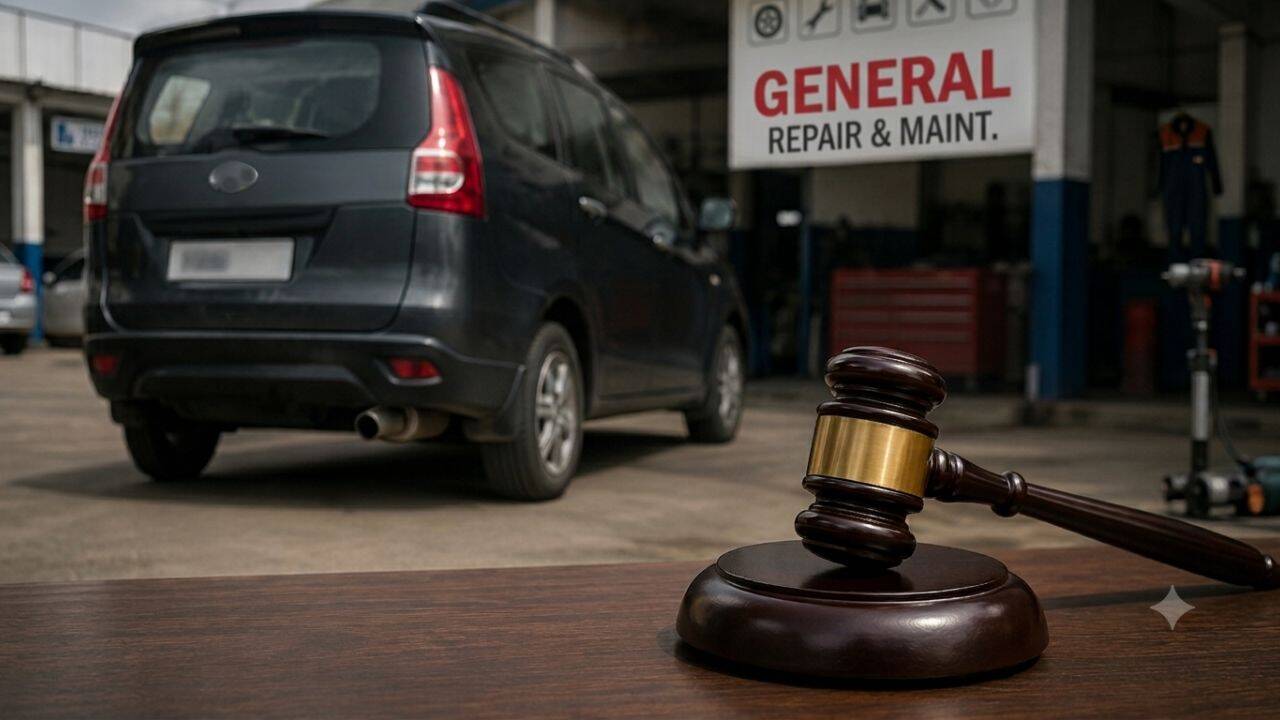
A significant decision was made by the National Consumer Commission, ordering Mahindra to replace the engine of a Marazzo car free of cost. Additionally, the company and its dealer have been directed to pay the customer a compensation of one lakh rupees. This ruling came after the commission found that the claim made by Mahindra about bad fuel causing damage to the engine was untrue.
The customer had purchased the Marazzo car, but it developed engine trouble within a few months. The company and its dealer had attributed the damage to bad fuel, but the commission found inconsistencies in the dealer's fuel test report and its timing. The lower courts had initially ruled in favor of Mahindra, but their decisions were set aside by the National Consumer Commission due to flawed analysis of evidence.
The commission's decision is a significant win for the customer, who will not only receive a new engine but also a substantial compensation. The ruling highlights the importance of consumer protection and the need for companies to ensure that their products meet certain standards of quality. Mahindra has been directed to replace the engine free of cost and pay the compensation to the customer.
The case underscores the importance of thorough investigation and evidence-based decision-making. The National Consumer Commission's decision is expected to have implications for consumers and companies alike, emphasizing the need for transparency and accountability in business practices. The customer's victory is a testament to the effectiveness of consumer protection laws in India.
The National Consumer Commission's ruling is also a reminder to companies to prioritize customer satisfaction and take responsibility for their products. Mahindra's failure to address the customer's complaint in a timely and satisfactory manner led to the commission's intervention. The company's decision to attribute the damage to bad fuel, which was later found to be untrue, further exacerbated the situation.
In conclusion, the National Consumer Commission's decision in favor of the customer is a significant development that highlights the importance of consumer protection and accountability in business practices. The ruling is expected to have far-reaching implications for consumers and companies alike, and serves as a reminder of the need for transparency and customer satisfaction in business dealings.