Zerodha CEO Warns of Margin Trading Risks
Zerodha CEO Nithin Kamath cautions on margin trading risks, SEBI proposes changes
'%3E%3Crect%20width%3D'96'%20height%3D'96'%20fill%3D'%230B6E4F'%2F%3E%3Ccircle%20cx%3D'30'%20cy%3D'24'%20r%3D'44'%20fill%3D'%23fff'%20opacity%3D'.12'%2F%3E%3Ccircle%20cx%3D'60'%20cy%3D'74'%20r%3D'40'%20fill%3D'%23000'%20opacity%3D'.10'%2F%3E%3C%2Fg%3E%3Cg%20fill%3D'none'%20stroke%3D'%23fff'%20stroke-width%3D'3.2'%20stroke-linecap%3D'round'%20stroke-linejoin%3D'round'%3E%3Cpolyline%20points%3D'31%2C59%2041%2C49%2049%2C54%2063%2C37'%2F%3E%3Cpolyline%20points%3D'55%2C37%2063%2C37%2063%2C45'%2F%3E%3C%2Fg%3E%3C%2Fsvg%3E)
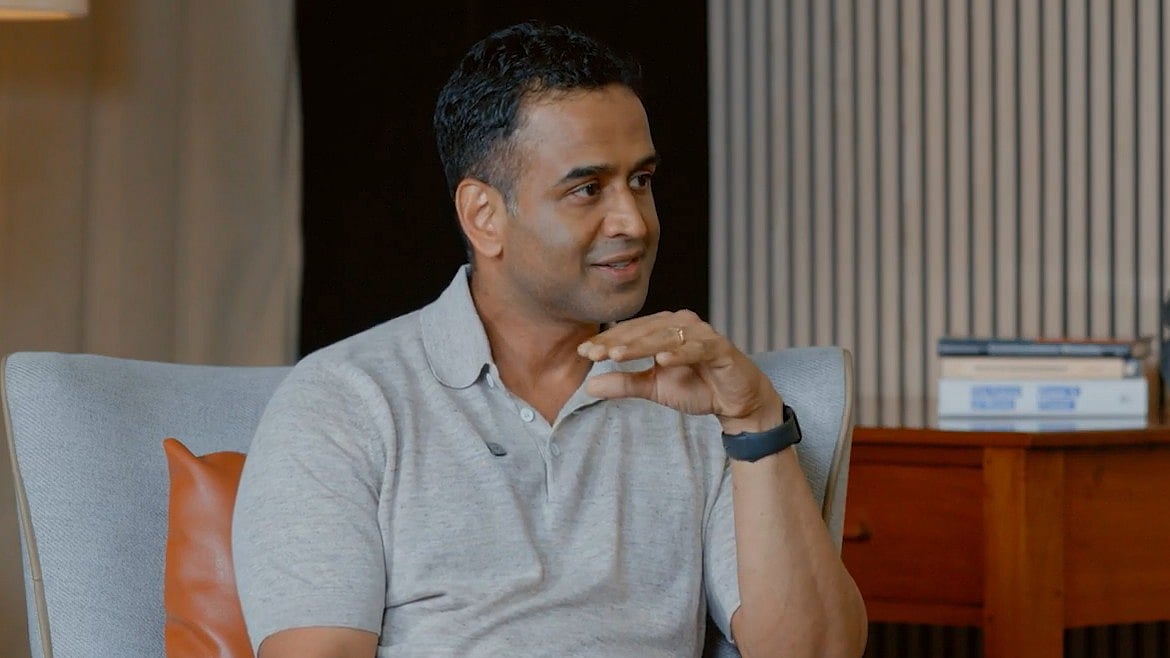
Zerodha founder and CEO Nithin Kamath has warned that the company's rapidly expanding margin trading facility business could expose it to greater risks if Indian stock markets experience a sharp correction.
In his annual message to customers, Kamath noted that the company's margin trading facility exposure had increased substantially, with the MTF book standing at around ₹9,000 crore in August. Customers had borrowed approximately ₹6,000 crore to fund their equity purchases, with interest earned from financing leveraged positions now accounting for about 10% of Zerodha's revenue.
The growing use of leverage is not limited to Zerodha, with investors across India borrowing a record ₹1.36 lakh crore through MTF by July. However, a sudden fall in share prices could result in margin calls, forcing leveraged investors to sell their holdings and creating a feedback loop that could further depress prices.
Kamath has advised investors to consider interest costs, brokerage charges, and taxes when calculating returns from leveraged trades, as these expenses increase the price required to break even. He emphasized the importance of risk management, particularly in small- and mid-cap stocks where lower liquidity can make it difficult to exit positions quickly.
The risks surrounding margin financing have attracted regulatory attention, with SEBI proposing changes to the MTF framework in June. The proposed changes include higher net-worth requirements for brokers and broader funding options, with the aim of strengthening risk management.
SEBI's focus on MTF risk management is a response to the growing concerns about the impact of margin trading on market stability. The regulator aims to ensure that brokers and investors are aware of the risks associated with margin trading and take steps to mitigate them.
The Indian stock market has experienced significant growth in recent years, with many investors using margin trading to amplify their returns. However, the use of leverage also increases the risk of losses, particularly in times of market volatility.
In conclusion, Zerodha CEO Nithin Kamath's warning about the risks of margin trading is a timely reminder of the importance of risk management in the stock market. As the Indian stock market continues to grow and evolve, it is essential for investors and regulators to be aware of the potential risks and take steps to mitigate them.
The growth of margin trading in India is a significant trend that has implications for market stability and investor returns. As the market continues to evolve, it is likely that regulators and industry participants will focus on developing strategies to manage the risks associated with margin trading and ensure that investors are aware of the potential risks and rewards.
Frequently asked questions
What is margin trading and how does it work?
Margin trading allows investors to borrow money to buy stocks, amplifying their potential returns but also increasing their risk of losses.
What are the risks associated with margin trading?
The risks associated with margin trading include the potential for margin calls, forced selling, and a feedback loop that can further depress prices.