Dutch Referee Rob Dieperink Dies at 38
Dutch referee dies, FIFA and Netherlands football association express sadness. Removed from World Cup list weeks prior.
'%3E%3Crect%20width%3D'96'%20height%3D'96'%20fill%3D'%231B5E20'%2F%3E%3Ccircle%20cx%3D'30'%20cy%3D'24'%20r%3D'44'%20fill%3D'%23fff'%20opacity%3D'.12'%2F%3E%3Ccircle%20cx%3D'60'%20cy%3D'74'%20r%3D'40'%20fill%3D'%23000'%20opacity%3D'.10'%2F%3E%3C%2Fg%3E%3Cg%3E%3Ccircle%20cx%3D'48'%20cy%3D'48'%20r%3D'15'%20fill%3D'%23fff'%2F%3E%3Cpath%20d%3D'M43%2034%20Q50%2048%2043%2062'%20fill%3D'none'%20stroke%3D'%238a94a6'%20stroke-width%3D'2.4'%2F%3E%3Cpath%20d%3D'M47%2033%20Q54%2048%2047%2063'%20fill%3D'none'%20stroke%3D'%238a94a6'%20stroke-width%3D'1.8'%20stroke-dasharray%3D'1.5%203'%2F%3E%3C%2Fg%3E%3C%2Fsvg%3E)
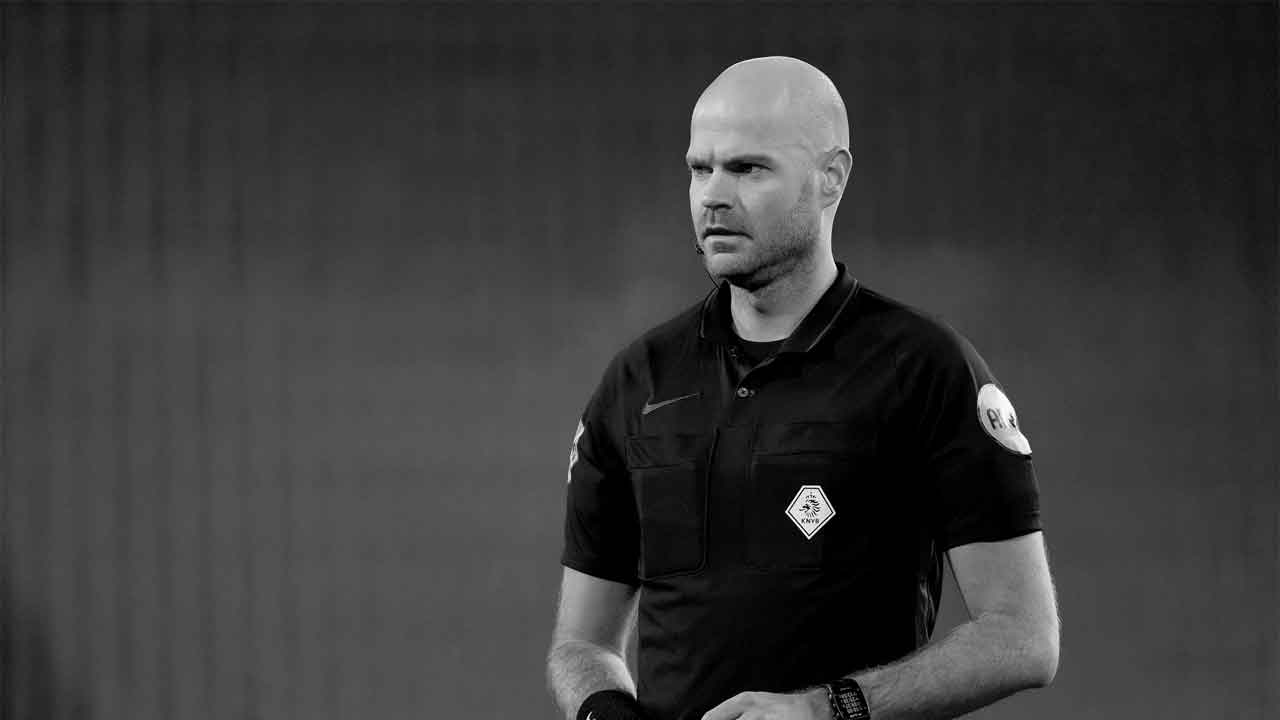
Dutch football referee Rob Dieperink has passed away at the age of 38. This sudden death comes just weeks after he was removed from the list of officials for the FIFA World Cup 2026.
Dieperink had a notable career in refereeing, having officiated numerous professional matches on the international stage. His experience and expertise in the field were widely recognized.
The circumstances surrounding Dieperink's death are not entirely clear, but it is known that he was arrested in Britain following an investigation. However, this investigation was later closed, and no further details have been released regarding the nature of the inquiry or its outcome.
The Netherlands football association, along with FIFA, has expressed deep sadness over Dieperink's untimely death. Their statements reflect the respect and admiration that Dieperink had earned within the football community for his contributions to the sport as a referee.
Dieperink's removal from the FIFA World Cup 2026 officials list was a significant development in his career, occurring just before his death. The reasons behind this decision have not been fully disclosed, but it marks a turning point in what was otherwise a successful and promising refereeing career.
The football world is mourning the loss of a talented and dedicated individual who had much to offer. Dieperink's legacy in the sport will be remembered, and his contributions to the games he officiated will not be forgotten.
In the context of international football, the loss of a referee of Dieperink's caliber is significant. It underscores the importance of the role that referees play in ensuring the integrity and fairness of the game. Dieperink's career served as a testament to the dedication and expertise required to excel in this position.
For the football community, Dieperink's death is a reminder of the human aspect of the sport. Beyond the matches and the competitions, there are individuals who devote their lives to the game, and their contributions are invaluable.
The impact of Dieperink's death will be felt within the football community, particularly among those who knew him and worked with him. His passing serves as a reminder to appreciate the individuals who make the sport what it is, and to recognize the importance of their roles, both on and off the field.
In terms of what this means for the broader football community, Dieperink's death highlights the need to support and appreciate the referees and officials who are essential to the game. It also underscores the importance of acknowledging the human side of football, beyond the competitive aspect of the sport.