Mumbai, Bengaluru Kitchens Found with Expired Food
Expired food and poor hygiene found in kitchens, enforcement increased
'%3E%3Crect%20width%3D'96'%20height%3D'96'%20fill%3D'%23B3261E'%2F%3E%3Ccircle%20cx%3D'30'%20cy%3D'24'%20r%3D'44'%20fill%3D'%23fff'%20opacity%3D'.12'%2F%3E%3Ccircle%20cx%3D'60'%20cy%3D'74'%20r%3D'40'%20fill%3D'%23000'%20opacity%3D'.10'%2F%3E%3C%2Fg%3E%3Cg%20fill%3D'%23fff'%3E%3Crect%20x%3D'29'%20y%3D'49'%20width%3D'8'%20height%3D'19'%20rx%3D'1'%2F%3E%3Crect%20x%3D'39'%20y%3D'40'%20width%3D'9'%20height%3D'28'%20rx%3D'1'%2F%3E%3Crect%20x%3D'50'%20y%3D'45'%20width%3D'8'%20height%3D'23'%20rx%3D'1'%2F%3E%3Crect%20x%3D'60'%20y%3D'53'%20width%3D'7'%20height%3D'15'%20rx%3D'1'%2F%3E%3Crect%20x%3D'41'%20y%3D'34'%20width%3D'5'%20height%3D'6'%2F%3E%3C%2Fg%3E%3C%2Fsvg%3E)
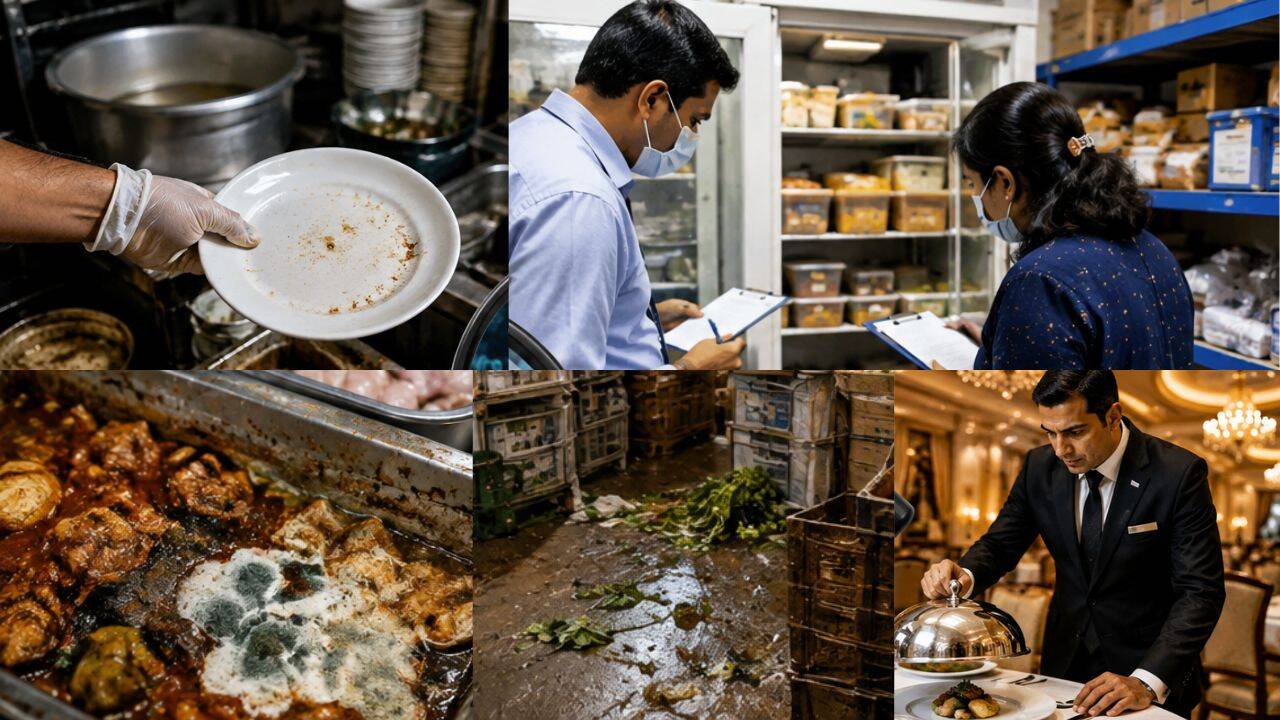
A recent series of inspections in Bengaluru kitchens uncovered alarming instances of expired food and subpar hygiene practices. Similarly, in Mumbai, authorities have ramped up enforcement efforts, targeting food outlets and warehouses to address these concerns. These findings underscore deeper systemic issues that permeate the food supply chain, affecting even luxury hotels. The presence of expired food and poor hygiene in these establishments poses significant risks to consumer health and safety.
The inspections in Bengaluru and the increased enforcement in Mumbai are part of a broader effort to ensure compliance with food safety regulations. These actions are crucial in preventing the spread of foodborne illnesses and protecting public health. Effective monitoring and regular follow-up inspections are essential components of this effort, as they help identify and address violations before they become major issues.
In Mumbai, the crackdown on food outlets and warehouses has led to the discovery of various violations, including the storage of expired and perishable items in unhygienic conditions. This has prompted calls for stricter regulations and more rigorous enforcement to prevent such practices. The involvement of luxury hotels in these violations highlights the need for vigilance across all sectors of the food industry.
The food supply chain is complex, involving multiple stakeholders and processes. Ensuring the safety of food from production to consumption requires a multifaceted approach that includes regular inspections, proper storage and handling practices, and adherence to hygiene standards. The recent findings in Mumbai and Bengaluru serve as a reality check, emphasizing the importance of proactive measures to prevent food safety violations.
Consumer safety is paramount, and the onus is on regulatory bodies and food establishments to ensure that the food served is safe for consumption. This includes implementing effective monitoring systems, conducting regular inspections, and enforcing strict penalties for non-compliance. By taking these steps, it is possible to mitigate the risks associated with foodborne illnesses and maintain public trust in the food industry.
The inspections and enforcement actions in Mumbai and Bengaluru are steps in the right direction, but sustained effort is necessary to bring about lasting change. Continuous monitoring and a commitment to food safety are essential for protecting consumer health and ensuring the integrity of the food supply chain.
In conclusion, the discovery of expired food and poor hygiene in kitchens across Mumbai and Bengaluru highlights the need for enhanced vigilance and stricter enforcement of food safety regulations. By working together, regulatory bodies, food establishments, and consumers can help create a safer food environment, reducing the risk of foodborne illnesses and promoting public health.
Frequently asked questions
What were the findings of the recent inspections in Bengaluru kitchens?
The inspections found expired food and poor hygiene practices.
What actions are being taken in Mumbai to address food safety concerns?
Authorities have increased enforcement efforts, targeting food outlets and warehouses.