Trump Aides Push to Delay Iran War Until November
Trump aides try to prevent war with Iran before elections. Economic pressure is the focus.
'%3E%3Crect%20width%3D'96'%20height%3D'96'%20fill%3D'%234A235A'%2F%3E%3Ccircle%20cx%3D'30'%20cy%3D'24'%20r%3D'44'%20fill%3D'%23fff'%20opacity%3D'.12'%2F%3E%3Ccircle%20cx%3D'60'%20cy%3D'74'%20r%3D'40'%20fill%3D'%23000'%20opacity%3D'.10'%2F%3E%3C%2Fg%3E%3Cg%20fill%3D'none'%20stroke%3D'%23fff'%20stroke-width%3D'3'%3E%3Ccircle%20cx%3D'48'%20cy%3D'48'%20r%3D'16'%2F%3E%3Cellipse%20cx%3D'48'%20cy%3D'48'%20rx%3D'6.5'%20ry%3D'16'%2F%3E%3Cline%20x1%3D'32'%20y1%3D'42'%20x2%3D'64'%20y2%3D'42'%2F%3E%3Cline%20x1%3D'32'%20y1%3D'54'%20x2%3D'64'%20y2%3D'54'%2F%3E%3C%2Fg%3E%3C%2Fsvg%3E)
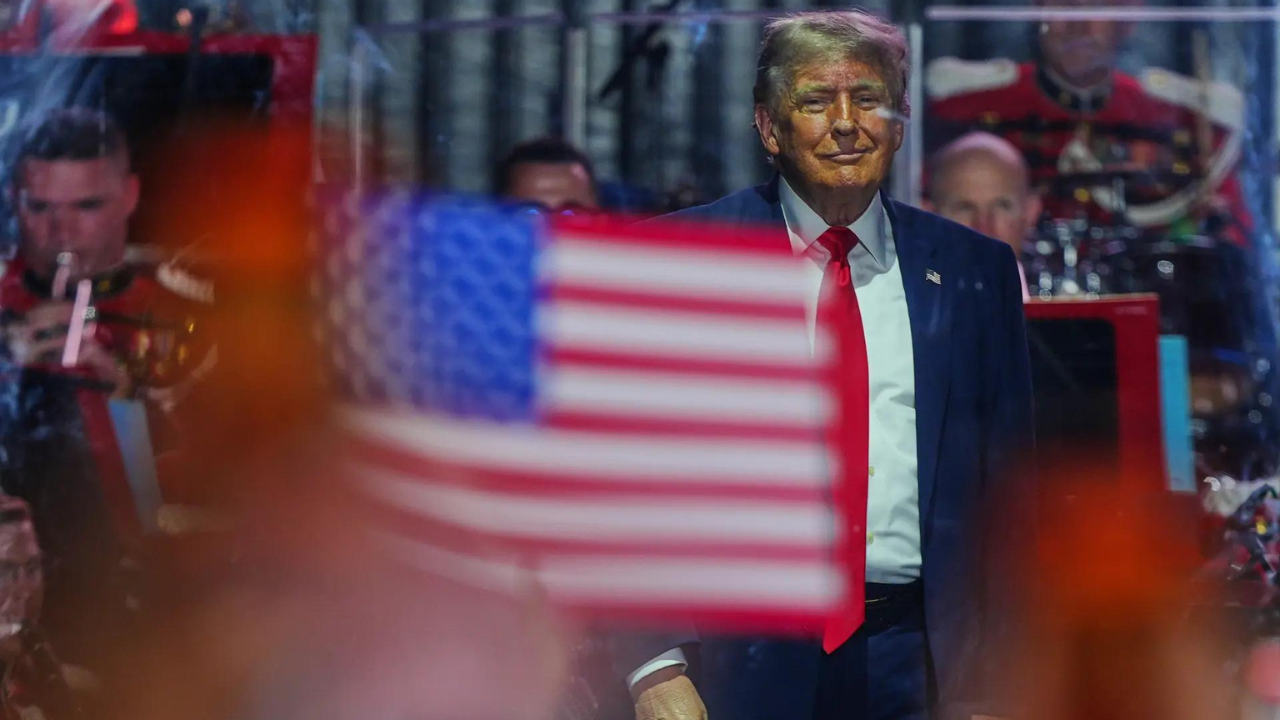
The Trump administration is working to prevent an escalation of the conflict with Iran until after the November elections. Top aides to the President are pushing to contain the situation and avoid any major military action before the midterm elections.
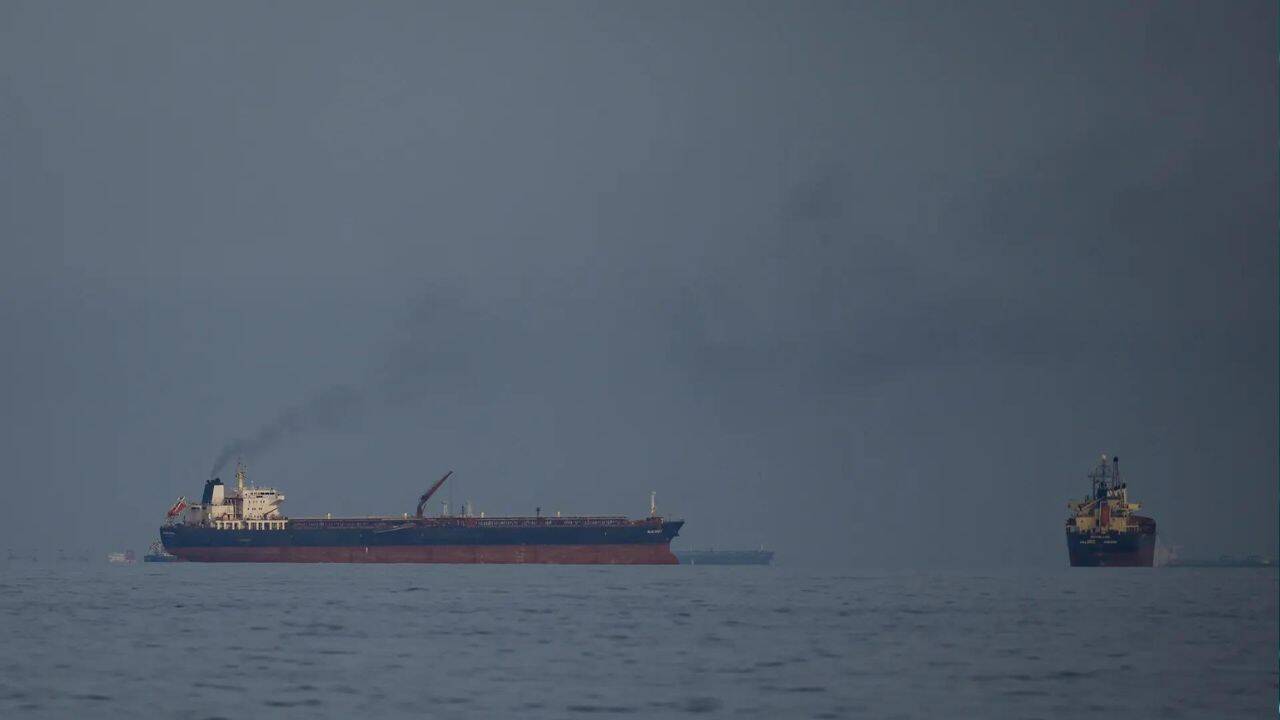
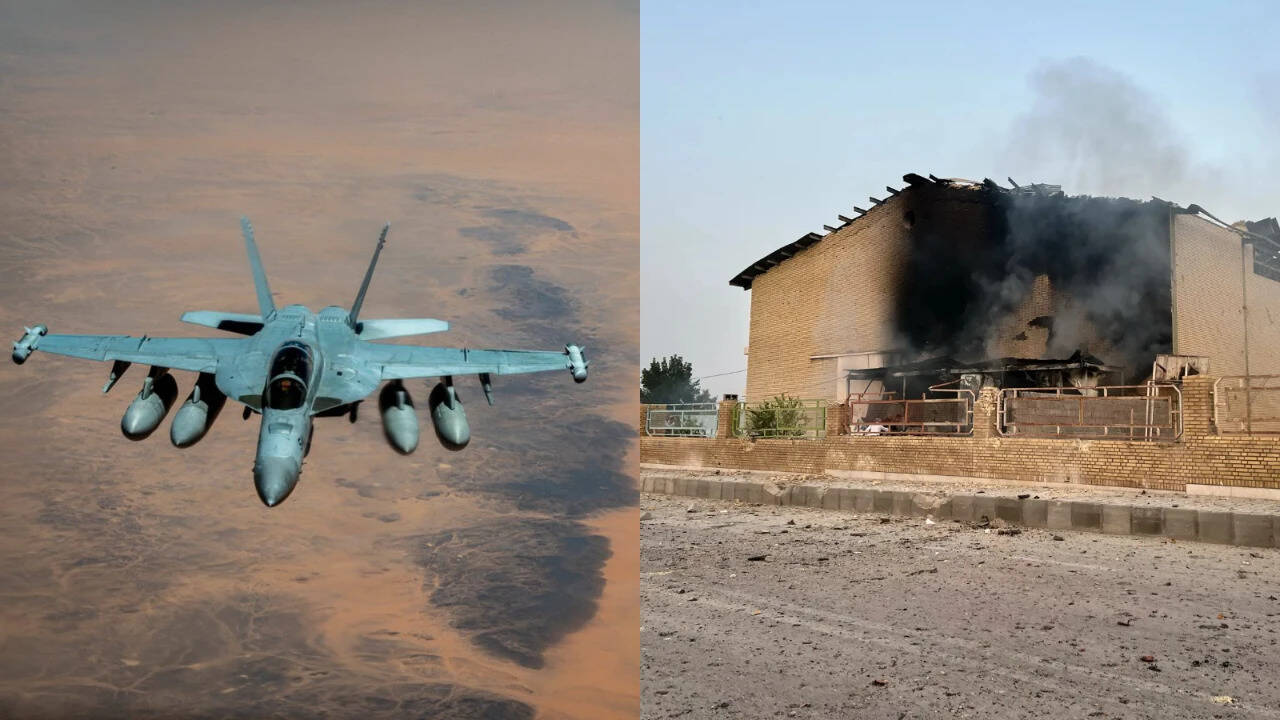
The US and Iran have recently engaged in a series of strikes, increasing tensions between the two nations. Despite this, the administration is focusing on economic pressure as a means to secure concessions from Iran. This approach is seen as a way to avoid a full-scale war and to achieve the administration's goals without resorting to military action.
The White House is also facing constraints in its strategy due to military readiness and depleted munitions stockpiles. This has limited the administration's ability to respond to Iranian aggression and has forced it to rely more heavily on economic pressure. America's Gulf allies are also urging the White House to de-escalate the conflict, citing concerns about the potential consequences of a wider war.
The situation with Iran is complex and multifaceted, with a range of factors at play. The US has been seeking to pressure Iran into renegotiating the nuclear deal that was agreed to in 2015. Iran, however, has refused to do so, and has instead sought to increase its uranium enrichment activities.
The conflict between the US and Iran has been escalating for some time, with both sides engaging in a series of strikes and counter-strikes. The US has also imposed significant economic sanctions on Iran, which have had a major impact on the country's economy. Despite this, Iran has refused to back down, and the situation remains volatile.
The Trump administration's decision to focus on economic pressure is seen as a way to avoid a full-scale war and to achieve the administration's goals without resorting to military action. However, the situation remains uncertain, and it is unclear what the outcome will be. The administration's aides are working to prevent an escalation of the conflict until after the November elections, but it is unclear whether they will be successful.
The US midterm elections are scheduled to take place in November, and the Trump administration is keen to avoid any major military action before then. The administration is aware that a war with Iran could have significant political consequences, and is seeking to avoid any action that could harm its chances in the elections.
In conclusion, the Trump administration is working to prevent an escalation of the conflict with Iran until after the November elections. The administration is focusing on economic pressure as a means to secure concessions from Iran, and is seeking to avoid any major military action. The situation remains uncertain, but the administration's aides are working to contain the conflict and avoid a full-scale war.
The implications of this situation are significant, not just for the US and Iran, but for the wider region. A war between the two nations could have major consequences, including the potential for a wider conflict and significant economic disruption. The Trump administration's decision to focus on economic pressure is seen as a way to avoid these consequences, but it is unclear whether it will be successful.
The international community is watching the situation closely, and is urging both sides to seek a peaceful resolution to the conflict. The US and Iran have a long and complex history, and the current situation is just the latest chapter in a decades-long story. The outcome is uncertain, but one thing is clear: the situation between the US and Iran remains volatile, and the potential for conflict is high.
The Trump administration's approach to the situation is shaped by a range of factors, including the upcoming midterm elections and the need to avoid a full-scale war. The administration is seeking to achieve its goals without resorting to military action, and is focusing on economic pressure as a means to secure concessions from Iran. Whether this approach will be successful remains to be seen, but one thing is clear: the situation between the US and Iran is complex and multifaceted, and the potential for conflict is high.
In the end, the Trump administration's decision to delay a potential war with Iran until after the November elections is driven by a range of factors, including political considerations and the need to avoid a full-scale war. The situation remains uncertain, but the administration's aides are working to contain the conflict and avoid a wider war. The outcome is unclear, but one thing is certain: the situation between the US and Iran will continue to be a major focus of attention in the coming months.
The US and Iran have been engaged in a series of tensions for some time, with both sides seeking to achieve their goals through a range of means. The current situation is just the latest chapter in a long and complex story, and the outcome is uncertain. However, one thing is clear: the Trump administration is seeking to avoid a full-scale war and to achieve its goals without resorting to military action.
The situation between the US and Iran is a major concern for the international community, and the potential for conflict is high. The Trump administration's approach to the situation is shaped by a range of factors, including the upcoming midterm elections and the need to avoid a full-scale war. The administration is seeking to achieve its goals without resorting to military action, and is focusing on economic pressure as a means to secure concessions from Iran. Whether this approach will be successful remains to be seen, but one thing is clear: the situation between the US and Iran remains volatile, and the potential for conflict is high.
The Trump administration's decision to focus on economic pressure is seen as a way to avoid a full-scale war and to achieve the administration's goals without resorting to military action. The administration is aware that a war with Iran could have significant political consequences, and is seeking to avoid any action that could harm its chances in the elections. The situation remains uncertain, but the administration's aides are working to contain the conflict and avoid a wider war.
In the end, the situation between the US and Iran is complex and multifaceted, with a range of factors at play. The Trump administration is seeking to achieve its goals without resorting to military action, and is focusing on economic pressure as a means to secure concessions from Iran. The outcome is uncertain, but one thing is clear: the situation between the US and Iran will continue to be a major focus of attention in the coming months.
The implications of this situation are significant, not just for the US and Iran, but for the wider region. A war between the two nations could have major consequences, including the potential for a wider conflict and significant economic disruption. The Trump administration's decision to focus on economic pressure is seen as a way to avoid these consequences, but it is unclear whether it will be successful.
The international community is watching the situation closely, and is urging both sides to seek a peaceful resolution to the conflict. The US and Iran have a long and complex history, and the current situation is just the latest chapter in a decades-long story. The outcome is uncertain, but one thing is clear: the situation between the US and Iran remains volatile, and the potential for conflict is high.
It is worth noting that the situation between the US and Iran is not just about the two nations, but also about the wider region. The conflict has the potential to draw in other nations, and to have significant consequences for the global economy. The Trump administration's approach to the situation is shaped by a range of factors, including the upcoming midterm elections and the need to avoid a full-scale war.
The administration is seeking to achieve its goals without resorting to military action, and is focusing on economic pressure as a means to secure concessions from Iran. Whether this approach will be successful remains to be seen, but one thing is clear: the situation between the US and Iran remains volatile, and the potential for conflict is high.
The US and Iran have been engaged in a series of tensions for some time, with both sides seeking to achieve their goals through a range of means. The current situation is just the latest chapter in a long and complex story, and the outcome is uncertain. However, one thing is clear: the Trump administration is seeking to avoid a full-scale war and to achieve its goals without resorting to military action.
The situation between the US and Iran is a major concern for the international community, and the potential for conflict is high. The Trump administration's approach to the situation is shaped by a range of factors, including the upcoming midterm elections and the need to avoid a full-scale war. The administration is seeking to achieve its goals without resorting to military action, and is focusing on economic pressure as a means to secure concessions from Iran. Whether this approach will be successful remains to be seen, but one thing is clear: the situation between the US and Iran remains volatile, and the potential for conflict is high.
What it means for the US and the world is that the situation between the US and Iran will continue to be a major focus of attention in the coming months. The Trump administration's approach to the situation is shaped by a range of factors, including the upcoming midterm elections and the need to avoid a full-scale war. The administration is seeking to achieve its goals without resorting to military action, and is focusing on economic pressure as a means to secure concessions from Iran. Whether this approach will be successful remains to be seen, but one thing is clear: the situation between the US and Iran remains volatile, and the potential for conflict is high.
In conclusion, the situation between the US and Iran is complex and multifaceted, with a range of factors at play. The Trump administration is seeking to achieve its goals without resorting to military action, and is focusing on economic pressure as a means to secure concessions from Iran. The outcome is uncertain, but one thing is clear: the situation between the US and Iran will continue to be a major focus of attention in the coming months.
The implications of this situation are significant, not just for the US and Iran, but for the wider region. A war between the two nations could have major consequences, including the potential for a wider conflict and significant economic disruption. The Trump administration's decision to focus on economic pressure is seen as a way to avoid these consequences, but it is unclear whether it will be successful.
The international community is watching the situation closely, and is urging both sides to seek a peaceful resolution to the conflict. The US and Iran have a long and complex history, and the current situation is just the latest chapter in a decades-long story. The outcome is uncertain, but one thing is clear: the situation between the US and Iran remains volatile, and the potential for conflict is high.
Frequently asked questions
Why is the Trump administration trying to delay a war with Iran?
The Trump administration is trying to delay a war with Iran until after the November elections, in order to avoid any major military action before then.
What approach is the Trump administration taking to deal with Iran?
The Trump administration is focusing on economic pressure as a means to secure concessions from Iran, rather than resorting to military action.