Maharashtra Police Stations to Allocate Manpower Based on Crime Rate
New rules in Maharashtra to decide police manpower, crime rate to play key role
'%3E%3Crect%20width%3D'96'%20height%3D'96'%20fill%3D'%231A5276'%2F%3E%3Ccircle%20cx%3D'30'%20cy%3D'24'%20r%3D'44'%20fill%3D'%23fff'%20opacity%3D'.12'%2F%3E%3Ccircle%20cx%3D'60'%20cy%3D'74'%20r%3D'40'%20fill%3D'%23000'%20opacity%3D'.10'%2F%3E%3C%2Fg%3E%3Cg%20fill%3D'%23fff'%3E%3Cpath%20d%3D'M31%2041%20L48%2031%20L65%2041%20Z'%2F%3E%3Crect%20x%3D'33'%20y%3D'43'%20width%3D'4'%20height%3D'17'%2F%3E%3Crect%20x%3D'41'%20y%3D'43'%20width%3D'4'%20height%3D'17'%2F%3E%3Crect%20x%3D'51'%20y%3D'43'%20width%3D'4'%20height%3D'17'%2F%3E%3Crect%20x%3D'59'%20y%3D'43'%20width%3D'4'%20height%3D'17'%2F%3E%3Crect%20x%3D'30'%20y%3D'62'%20width%3D'36'%20height%3D'4'%20rx%3D'1'%2F%3E%3C%2Fg%3E%3C%2Fsvg%3E)
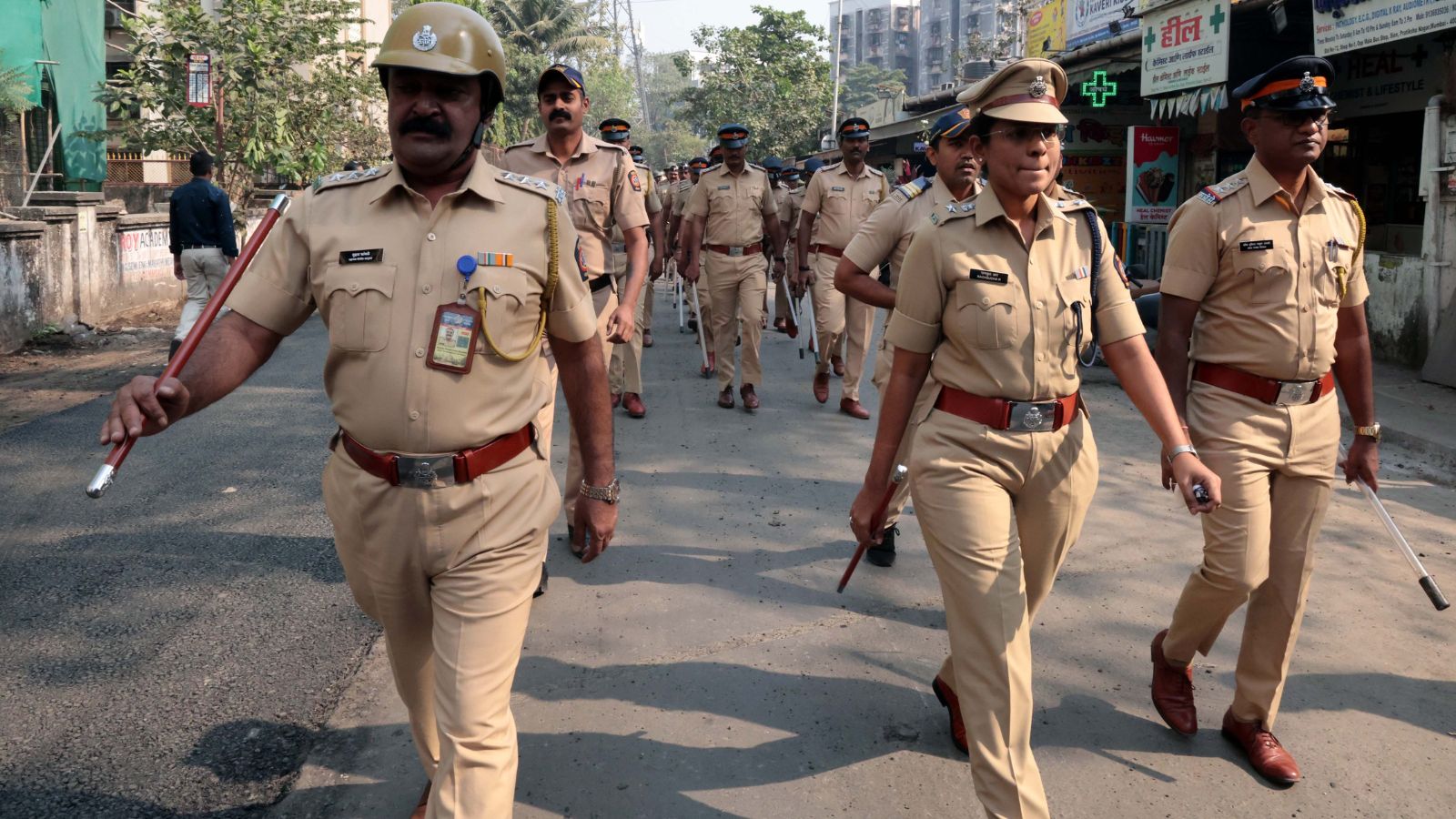
The Maharashtra government has introduced new rules for police stations in the state, where the allocation of manpower will be decided based on the crime rate in each area. This move is expected to optimize the use of police resources and improve the overall efficiency of the law enforcement system.
According to the new rules, police stations with higher crime rates will be allocated more manpower, while those with lower crime rates will have fewer personnel. The decision is aimed at ensuring that areas with high crime rates receive adequate policing, while areas with lower crime rates do not have excessive police presence.
The Maharashtra Director General of Police (DGP) will be responsible for reviewing the crime data and allocating manpower accordingly. The DGP will take into account various factors, including the type and frequency of crimes, to determine the manpower requirements for each police station.
This new approach is expected to help the police department to better utilize its resources and improve its response to crimes. It will also enable the police to focus on areas that require more attention and provide better services to the public.
The Maharashtra police department has been facing challenges in terms of manpower and resources, and this new initiative is seen as a step towards addressing these issues. The department has been working to modernize its systems and improve its efficiency, and this new approach is expected to contribute to these efforts.
The new rules are also expected to help in reducing the workload of police personnel in areas with lower crime rates, allowing them to focus on other tasks such as community policing and preventive measures. This, in turn, is expected to improve the overall relationship between the police and the public.
In recent years, Maharashtra has seen a significant increase in crimes, and the police department has been under pressure to improve its performance. The new rules are seen as a positive step towards addressing the challenges faced by the department and improving the safety and security of the public.
The implementation of the new rules is expected to take place in a phased manner, with the police department working to review and allocate manpower accordingly. The DGP will be responsible for monitoring the implementation of the new rules and ensuring that they are effective in achieving their objectives.
Overall, the new rules for police stations in Maharashtra are expected to bring about a significant improvement in the state's law enforcement system, and provide better services to the public.
The Maharashtra government's decision to allocate police manpower based on crime rates is a step towards ensuring that the police department is able to effectively respond to crimes and provide safety and security to the public. This move is expected to have a positive impact on the overall law and order situation in the state.
In conclusion, the new police station rules in Maharashtra are a welcome move, and are expected to bring about a significant improvement in the state's law enforcement system. The allocation of manpower based on crime rates is a step towards ensuring that the police department is able to effectively respond to crimes and provide better services to the public.
Frequently asked questions
What is the new rule for allocating police manpower in Maharashtra?
The new rule allocates police manpower based on the crime rate in each area, with higher crime areas getting more personnel.
Who will be responsible for reviewing crime data and allocating manpower?
The Maharashtra Director General of Police (DGP) will be responsible for reviewing crime data and allocating manpower accordingly.