Mumbai Manhole Covers Evolve Over Century
Mumbai's manhole covers have a rich history. Learn about their evolution.
'%3E%3Crect%20width%3D'96'%20height%3D'96'%20fill%3D'%23B3261E'%2F%3E%3Ccircle%20cx%3D'30'%20cy%3D'24'%20r%3D'44'%20fill%3D'%23fff'%20opacity%3D'.12'%2F%3E%3Ccircle%20cx%3D'60'%20cy%3D'74'%20r%3D'40'%20fill%3D'%23000'%20opacity%3D'.10'%2F%3E%3C%2Fg%3E%3Cg%20fill%3D'%23fff'%3E%3Crect%20x%3D'29'%20y%3D'49'%20width%3D'8'%20height%3D'19'%20rx%3D'1'%2F%3E%3Crect%20x%3D'39'%20y%3D'40'%20width%3D'9'%20height%3D'28'%20rx%3D'1'%2F%3E%3Crect%20x%3D'50'%20y%3D'45'%20width%3D'8'%20height%3D'23'%20rx%3D'1'%2F%3E%3Crect%20x%3D'60'%20y%3D'53'%20width%3D'7'%20height%3D'15'%20rx%3D'1'%2F%3E%3Crect%20x%3D'41'%20y%3D'34'%20width%3D'5'%20height%3D'6'%2F%3E%3C%2Fg%3E%3C%2Fsvg%3E)
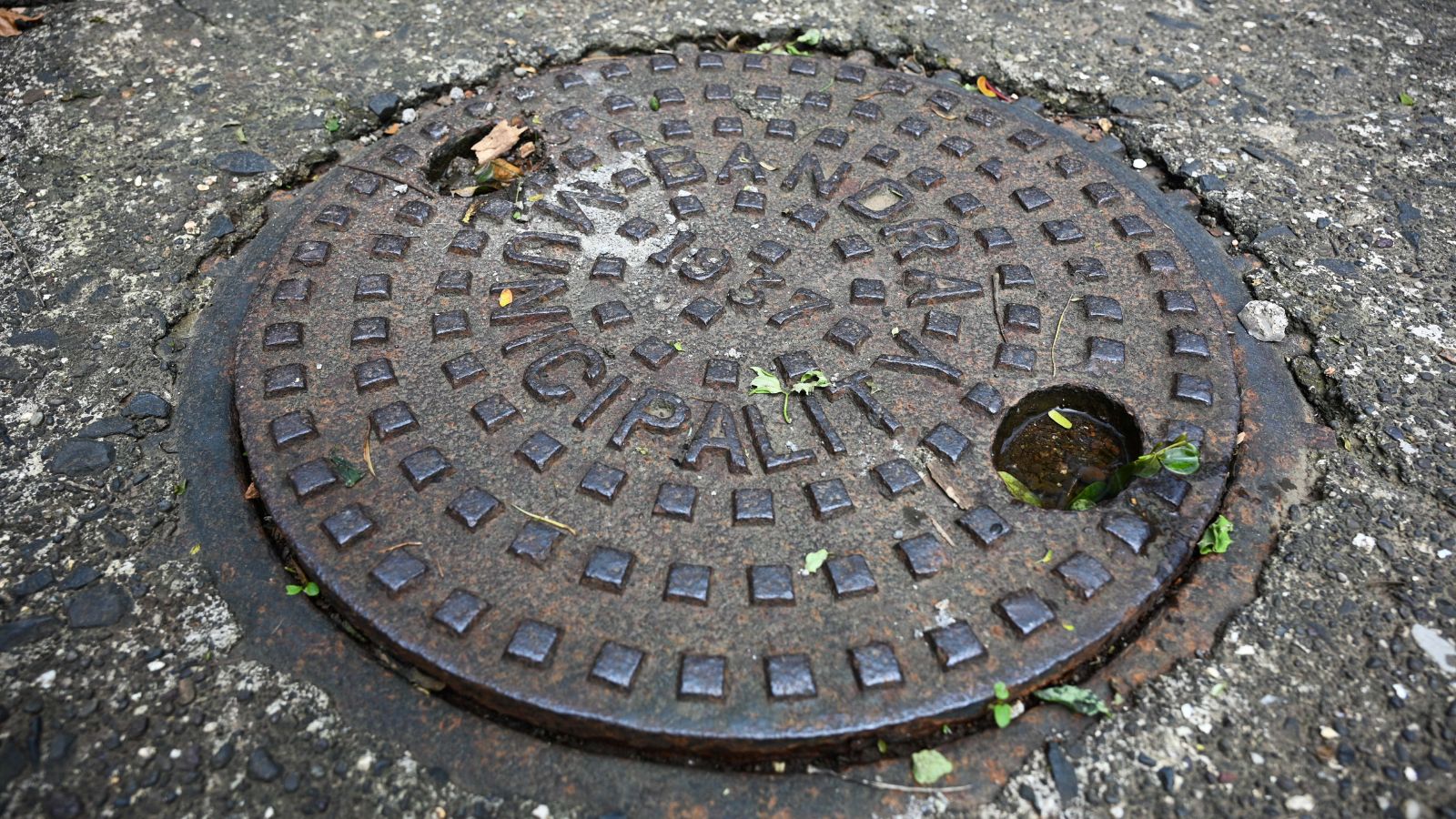
Mumbai's manhole covers have undergone significant changes over the past century. The city's rapid growth and urbanization have led to the development of new materials and designs for these essential infrastructure components.
The earliest manhole covers in Mumbai were made of stone and date back to the British era. These heavy covers were often adorned with intricate designs and were a testament to the city's rich architectural heritage. As the city grew, the need for more durable and efficient manhole covers arose.
In the early 20th century, manhole covers began to be made of cast iron. This material was stronger and more durable than stone, making it an ideal choice for the city's expanding infrastructure. The cast iron covers were also more cost-effective and easier to produce, leading to their widespread adoption.
The mid-20th century saw the introduction of concrete manhole covers in Mumbai. These covers were made from a mixture of cement, sand, and aggregate, and were often reinforced with steel. Concrete covers were more resistant to corrosion and could withstand heavy traffic, making them a popular choice for the city's busy streets.
In recent years, Mumbai has seen the introduction of new materials and technologies for manhole covers. Fibre-reinforced polymer (FRP) covers have become increasingly popular due to their lightweight, corrosion-resistant, and durable properties. These covers are also easier to install and maintain, reducing the burden on the city's infrastructure.
The evolution of manhole covers in Mumbai is a testament to the city's ability to adapt and innovate in the face of rapid growth and urbanization. As the city continues to expand and develop, it is likely that new materials and technologies will emerge to meet the changing needs of its infrastructure.
The Brihanmumbai Municipal Corporation (BMC) is responsible for maintaining and upgrading the city's manhole covers. The corporation has implemented various initiatives to improve the quality and durability of these covers, including the use of new materials and technologies.
In addition to their functional importance, manhole covers also play a significant role in the city's aesthetic appeal. Many of Mumbai's manhole covers feature intricate designs and patterns, making them a unique aspect of the city's urban landscape.
In conclusion, the evolution of manhole covers in Mumbai is a fascinating story that reflects the city's history, growth, and innovation. From stone to cast iron, concrete, and FRP, these essential infrastructure components have undergone significant changes over the past century, shaping the city's urban landscape and infrastructure.
The next time you walk through Mumbai's streets, take a moment to appreciate the humble manhole cover, a testament to the city's ability to adapt and innovate in the face of rapid growth and urbanization.
Frequently asked questions
What materials have been used for manhole covers in Mumbai?
Manhole covers in Mumbai have been made from stone, cast iron, concrete, and fibre-reinforced polymer (FRP).
Who is responsible for maintaining Mumbai's manhole covers?
The Brihanmumbai Municipal Corporation (BMC) is responsible for maintaining and upgrading the city's manhole covers.