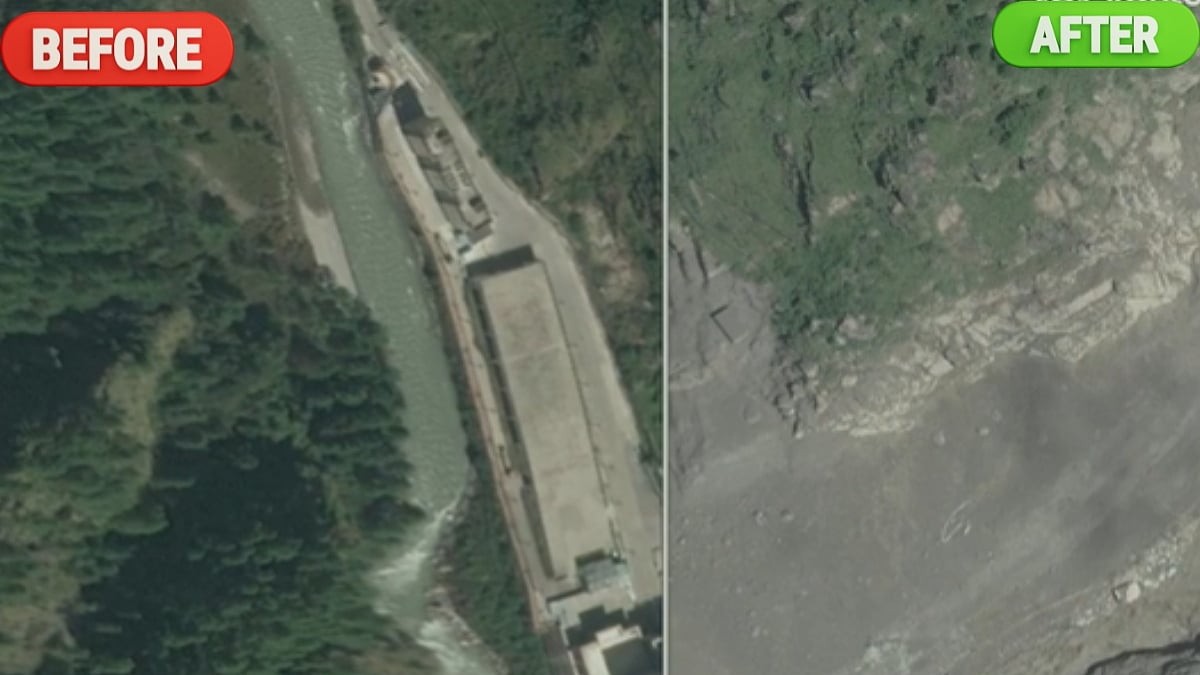
Nepal Floods Sweep Bodies 200km Downstream
Floods in Nepal cause devastation, bodies found in UP. Recovery efforts underway.
'%3E%3Crect%20width%3D'96'%20height%3D'96'%20fill%3D'%234A235A'%2F%3E%3Ccircle%20cx%3D'30'%20cy%3D'24'%20r%3D'44'%20fill%3D'%23fff'%20opacity%3D'.12'%2F%3E%3Ccircle%20cx%3D'60'%20cy%3D'74'%20r%3D'40'%20fill%3D'%23000'%20opacity%3D'.10'%2F%3E%3C%2Fg%3E%3Cg%20fill%3D'none'%20stroke%3D'%23fff'%20stroke-width%3D'3'%3E%3Ccircle%20cx%3D'48'%20cy%3D'48'%20r%3D'16'%2F%3E%3Cellipse%20cx%3D'48'%20cy%3D'48'%20rx%3D'6.5'%20ry%3D'16'%2F%3E%3Cline%20x1%3D'32'%20y1%3D'42'%20x2%3D'64'%20y2%3D'42'%2F%3E%3Cline%20x1%3D'32'%20y1%3D'54'%20x2%3D'64'%20y2%3D'54'%2F%3E%3C%2Fg%3E%3C%2Fsvg%3E)
A massive flood surge in the Himalayan region caused widespread destruction, sweeping bodies 200km downstream. The surge, triggered by a significant collapse, reached Rasuwagadhi at the Nepal-Tibet border in just seven minutes.
The floodwaters affected multiple districts in both Nepal and India, prompting a large-scale recovery effort. However, the flood authorities in Nepal were only informed after the surge had already impacted Bhote Koshi, highlighting a potential delay in the warning system.
In response to the disaster, SMS warnings were promptly issued to residents living along the riverbanks, alerting them to the danger. The warnings were a crucial step in mitigating the damage, but the fact that the authorities were informed late raises concerns about the effectiveness of the early warning system.
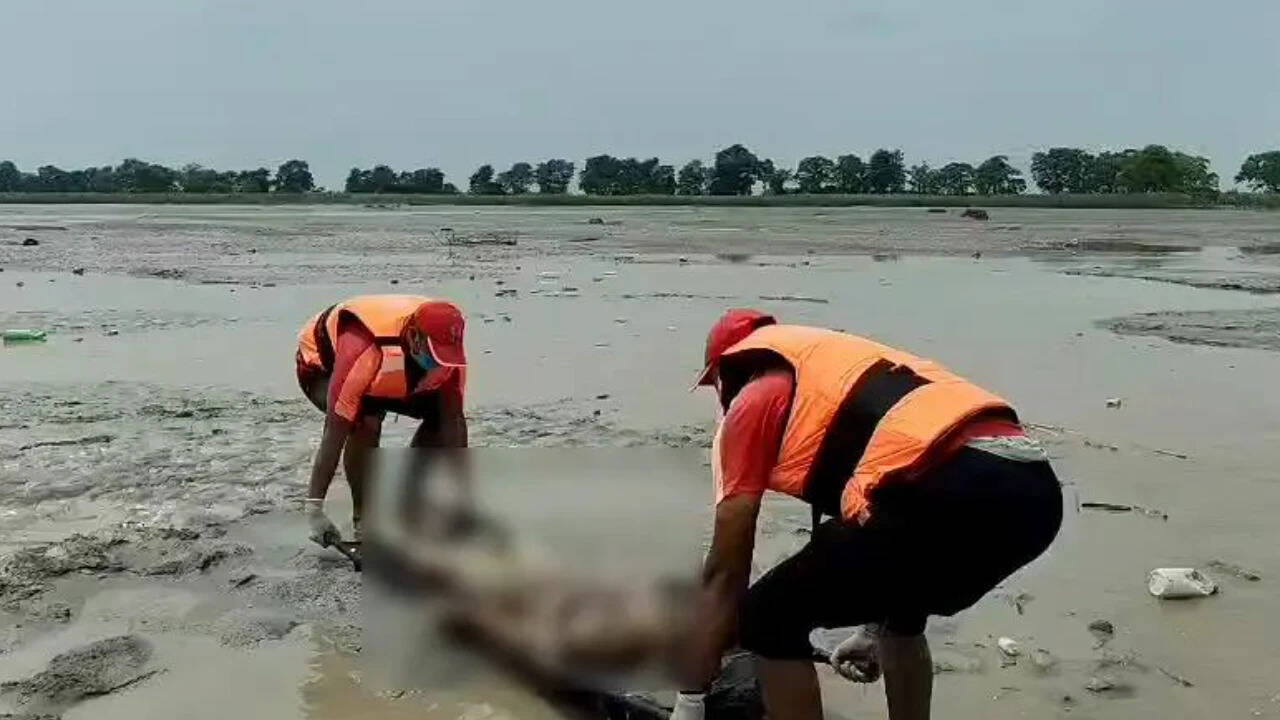
The floods have caused significant damage and loss of life, with bodies being swept away by the powerful waters. In a disturbing turn of events, three bodies were found in Uttar Pradesh, over 200km downstream from the source of the flood. This highlights the massive scale of the disaster and the need for a coordinated response from authorities in both Nepal and India.
The Himalayan region is prone to natural disasters, including floods and landslides, due to its unique geography. The region's steep slopes and heavy rainfall make it vulnerable to such events, which can have devastating consequences. The recent flood is a reminder of the importance of having a robust early warning system in place to minimize the damage and loss of life.
The recovery efforts are ongoing, with teams working to provide aid and support to those affected by the flood. The authorities are also working to assess the damage and identify the causes of the disaster, which will help in developing strategies to prevent such events in the future.
In the aftermath of the flood, it is essential to recognize the importance of coordination and communication between authorities in Nepal and India. The fact that bodies were found in Uttar Pradesh highlights the need for a unified response to such disasters, which can have far-reaching consequences.
The flood in Nepal is a reminder of the power of nature and the importance of being prepared for such events. It is crucial for authorities to learn from this disaster and take steps to improve the early warning system and response mechanisms to minimize the damage and loss of life in the future.
The significance of this event cannot be overstated, as it highlights the vulnerability of the region to natural disasters. It is essential for authorities to take proactive steps to mitigate the risks and develop strategies to respond to such events effectively. By doing so, they can reduce the impact of such disasters and save lives.
In conclusion, the flood in Nepal is a devastating reminder of the power of nature and the importance of being prepared. The authorities must learn from this disaster and take steps to improve the early warning system and response mechanisms to minimize the damage and loss of life in the future.
Frequently asked questions
What caused the flood in Nepal?
A significant collapse in the Himalayan region caused a seismic disturbance, leading to a violent flood surge.
How far were the bodies swept away by the floodwaters?
The bodies were swept 200km downstream, with three found in Uttar Pradesh.