22 Indians Hijacked Off Yemen, Somalia
Two vessels seized, 22 Indians on board, off Yemen and Somalia. Crew safety unclear.
'%3E%3Crect%20width%3D'96'%20height%3D'96'%20fill%3D'%23B3261E'%2F%3E%3Ccircle%20cx%3D'30'%20cy%3D'24'%20r%3D'44'%20fill%3D'%23fff'%20opacity%3D'.12'%2F%3E%3Ccircle%20cx%3D'60'%20cy%3D'74'%20r%3D'40'%20fill%3D'%23000'%20opacity%3D'.10'%2F%3E%3C%2Fg%3E%3Cg%20fill%3D'%23fff'%3E%3Crect%20x%3D'29'%20y%3D'49'%20width%3D'8'%20height%3D'19'%20rx%3D'1'%2F%3E%3Crect%20x%3D'39'%20y%3D'40'%20width%3D'9'%20height%3D'28'%20rx%3D'1'%2F%3E%3Crect%20x%3D'50'%20y%3D'45'%20width%3D'8'%20height%3D'23'%20rx%3D'1'%2F%3E%3Crect%20x%3D'60'%20y%3D'53'%20width%3D'7'%20height%3D'15'%20rx%3D'1'%2F%3E%3Crect%20x%3D'41'%20y%3D'34'%20width%3D'5'%20height%3D'6'%2F%3E%3C%2Fg%3E%3C%2Fsvg%3E)
A total of 22 Indian nationals have been hijacked in two separate incidents off the coasts of Yemen and Somalia. The first incident involved the Seamull tanker, also known as SIBU 1, which has 16 Indians among its 20-member crew. The vessel was approached by six armed persons 136 nautical miles east of Al Mukalla, Yemen, and was redirected towards Somalia.
According to the EU's Maritime Security Centre Indian Ocean (MSCIO), the tanker has been boarded by the armed persons, who are now in control of the vessel. The crew's safety has been reported, and the vessel's movements are being monitored. The Seamull tanker was previously sanctioned by the United States in December last year for its involvement in Iran's 'shadow fleet', which is accused of exporting Iranian oil through deceptive shipping practices.
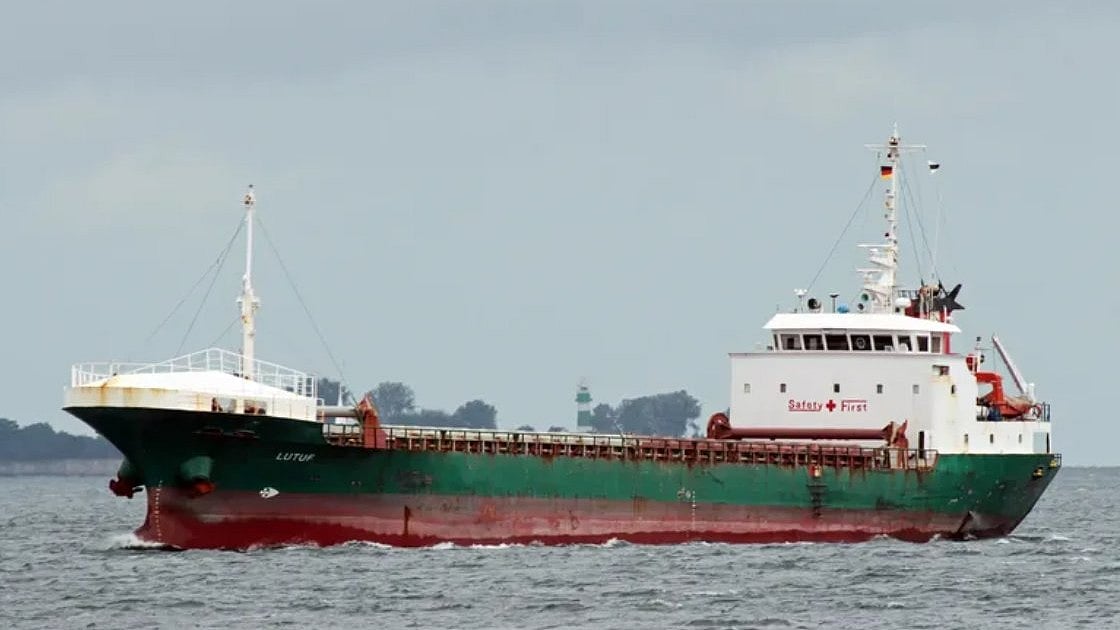
In a separate incident, the Cameroon-flagged M/V LUTUF was hijacked off Somalia's Puntland coast on August 17. The vessel has six Indian nationals among its 10-member crew and was carrying Turkish military equipment, as well as communications and satellite equipment. The condition of the crew remains unclear.
The hijackings come amid a reported resurgence in Somali piracy, with several merchant vessels being held by pirate groups in the region. Piracy was widespread off Somalia in the 2000s and peaked in 2011 before international naval deployments and new security measures for commercial shipping helped curb attacks. However, attacks have surged again since April, with five cargo ships currently being held hostage.
The latest vessel was seized near the Somali coast on Monday, and authorities and maritime security agencies continue to monitor the situation and assess the safety of the Indian crew members. The United Arab Emirates-based Qatrat Alnada Almasi Ship Management operates the Seamull tanker, which is among four vessels that transported Iranian petroleum products on multiple occasions and called at Houthi-controlled ports in Yemen.
The incidents have raised concerns about the safety of Indian nationals working on commercial vessels in the region. The Indian government and maritime authorities are likely to be working closely with international agencies to ensure the safe release of the hijacked crew members.
The resurgence of Somali piracy has significant implications for global trade and maritime security. The international community has been working to combat piracy in the region, and the recent hijackings highlight the need for continued cooperation and vigilance.
In conclusion, the hijacking of two commercial vessels with 22 Indian nationals on board off the coasts of Yemen and Somalia is a serious concern for the Indian government and the international community. The safety of the crew members is a top priority, and efforts are being made to ensure their safe release. The incidents also highlight the need for continued cooperation and vigilance to combat piracy in the region.
The Indian government has not issued an official statement on the hijackings, but it is likely that diplomatic efforts are underway to secure the release of the crew members. The situation is being closely monitored, and updates are expected in the coming days.
As the situation develops, it is essential to remember that the safety of the crew members is the top priority. The international community must work together to combat piracy and ensure the safe release of the hijacked crew members.
In the meantime, the families of the hijacked crew members wait anxiously for news of their loved ones. The Indian government and maritime authorities must do everything in their power to ensure the safe release of the crew members and bring them home safely.
The hijackings off Yemen and Somalia are a reminder of the risks faced by Indian nationals working on commercial vessels in the region. The Indian government and maritime authorities must take all necessary measures to ensure the safety of Indian crew members and prevent such incidents in the future.
The situation is complex, and the international community must work together to address the root causes of piracy in the region. The hijackings are a wake-up call for the international community to take action against piracy and ensure the safe passage of commercial vessels in the region.
In the end, the safe release of the hijacked crew members is the top priority. The Indian government and the international community must work together to achieve this goal and bring the crew members home safely.
The hijackings off Yemen and Somalia are a serious concern, and the international community must take all necessary measures to prevent such incidents in the future. The safety of Indian nationals working on commercial vessels in the region is a top priority, and the Indian government and maritime authorities must do everything in their power to ensure their safety.
The situation is being closely monitored, and updates are expected in the coming days. The Indian government and the international community must work together to combat piracy and ensure the safe release of the hijacked crew members.
As the situation develops, it is essential to remember that the safety of the crew members is the top priority. The international community must work together to combat piracy and ensure the safe release of the hijacked crew members.
In conclusion, the hijacking of two commercial vessels with 22 Indian nationals on board off the coasts of Yemen and Somalia is a serious concern for the Indian government and the international community. The safety of the crew members is a top priority, and efforts are being made to ensure their safe release. The incidents also highlight the need for continued cooperation and vigilance to combat piracy in the region.
Frequently asked questions
How many Indian nationals were hijacked off Yemen and Somalia?
A total of 22 Indian nationals were hijacked in two separate incidents off the coasts of Yemen and Somalia.
What is the current status of the hijacked crew members?
The condition of the crew members remains unclear, and authorities and maritime security agencies continue to monitor the situation and assess their safety.