Beavers Boost Income At £13.8M Farm
A lifeless farm in Lincolnshire is now earning money thanks to beavers. The farm's new wildland project is showing how nature restoration can bring in private income.
'%3E%3Crect%20width%3D'96'%20height%3D'96'%20fill%3D'%23B3261E'%2F%3E%3Ccircle%20cx%3D'30'%20cy%3D'24'%20r%3D'44'%20fill%3D'%23fff'%20opacity%3D'.12'%2F%3E%3Ccircle%20cx%3D'60'%20cy%3D'74'%20r%3D'40'%20fill%3D'%23000'%20opacity%3D'.10'%2F%3E%3C%2Fg%3E%3Cg%20fill%3D'%23fff'%3E%3Crect%20x%3D'29'%20y%3D'49'%20width%3D'8'%20height%3D'19'%20rx%3D'1'%2F%3E%3Crect%20x%3D'39'%20y%3D'40'%20width%3D'9'%20height%3D'28'%20rx%3D'1'%2F%3E%3Crect%20x%3D'50'%20y%3D'45'%20width%3D'8'%20height%3D'23'%20rx%3D'1'%2F%3E%3Crect%20x%3D'60'%20y%3D'53'%20width%3D'7'%20height%3D'15'%20rx%3D'1'%2F%3E%3Crect%20x%3D'41'%20y%3D'34'%20width%3D'5'%20height%3D'6'%2F%3E%3C%2Fg%3E%3C%2Fsvg%3E)
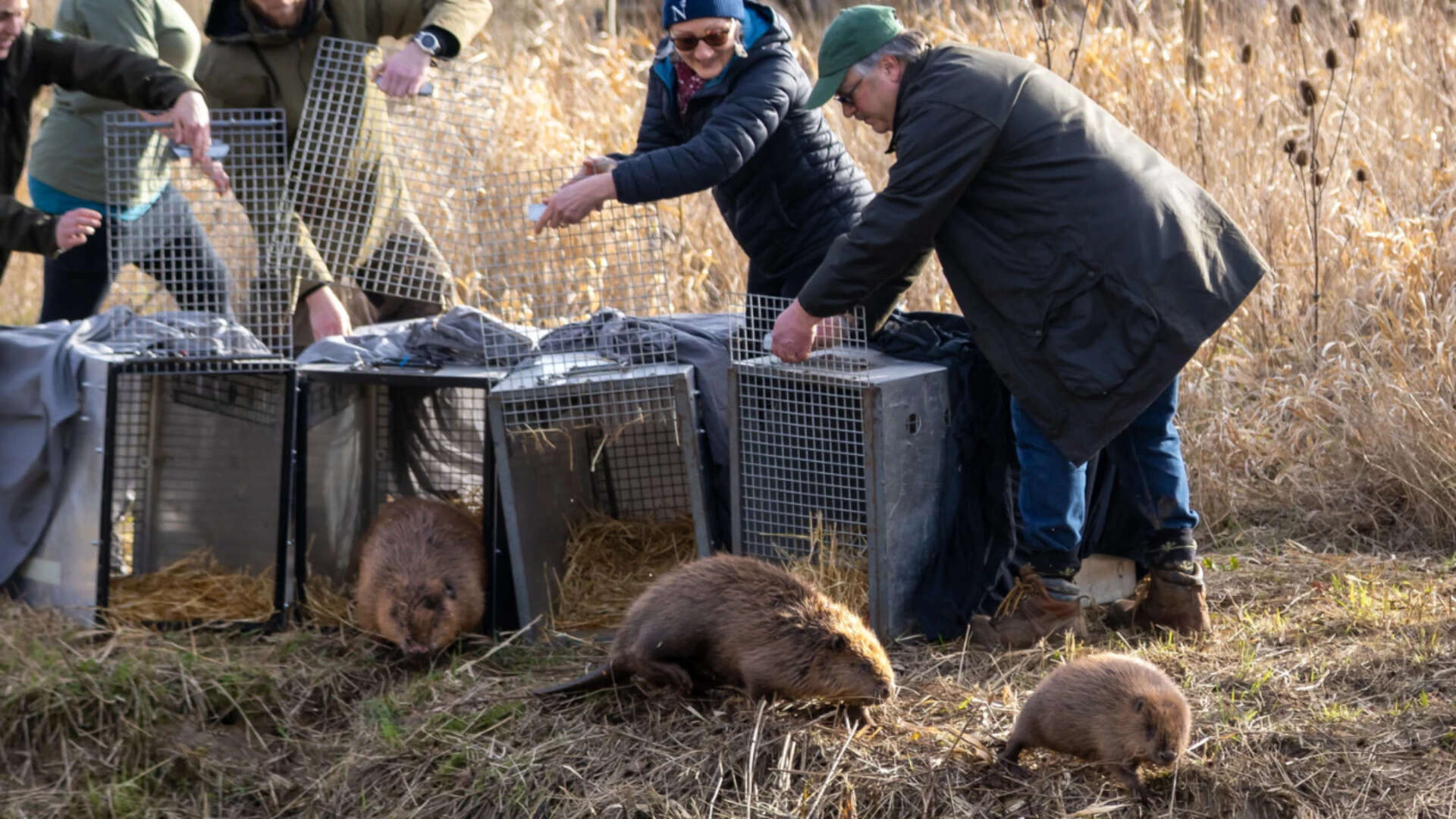
A farm in Lincolnshire, purchased by Britain for £13.8 million, is being transformed into a thriving wildland project. The key to this transformation is the introduction of beavers, which are playing a crucial role in the ecological restoration of the farm.
The project's primary goal is to demonstrate that restoring nature can lead to significant private income. This is being achieved through various revenue streams, including carbon removal and biodiversity credits.
The beavers are contributing to the project's success by creating wetlands and habitats for other species. This, in turn, is increasing the farm's biodiversity and allowing it to generate income through the sale of biodiversity credits.
The project's focus on carbon removal is also noteworthy. By restoring natural habitats and promoting ecological balance, the farm is able to remove carbon from the atmosphere, which can then be sold as carbon credits.
The initiative has aspirations to attract significant investments for sustainable environmental solutions. This could include funding for further ecological restoration projects, as well as investments in sustainable land management practices.
The transformation of the Lincolnshire farm is an example of how nature restoration can be a viable business model. By prioritizing ecological balance and biodiversity, the project is demonstrating that it is possible to generate substantial private income while also promoting environmental sustainability.
The use of beavers in the project is particularly innovative. These semi-aquatic creatures are known for their ability to create complex ecosystems, and their introduction to the farm has had a significant impact on the local environment.
As the project continues to evolve, it is likely to attract attention from investors and environmentalists alike. The potential for nature restoration to generate private income is substantial, and the Lincolnshire farm is at the forefront of this emerging trend.
The success of the project has significant implications for the environment and the economy. By demonstrating that nature restoration can be a lucrative business, the initiative is helping to promote sustainable land management practices and reduce carbon emissions. This, in turn, can have a positive impact on the environment and contribute to a more sustainable future.
In conclusion, the Lincolnshire farm's transformation into a wildland project is a significant development in the field of environmental sustainability. The use of beavers and the focus on carbon removal and biodiversity credits are just a few examples of the innovative approaches being used to promote ecological balance and generate private income. As the project continues to grow and evolve, it is likely to have a lasting impact on the environment and the economy.