Sebi Considers Tightening SME IPO Rules
Sebi may reserve 50% of SME issues for institutions, increase listing thresholds
'%3E%3Crect%20width%3D'96'%20height%3D'96'%20fill%3D'%230B6E4F'%2F%3E%3Ccircle%20cx%3D'30'%20cy%3D'24'%20r%3D'44'%20fill%3D'%23fff'%20opacity%3D'.12'%2F%3E%3Ccircle%20cx%3D'60'%20cy%3D'74'%20r%3D'40'%20fill%3D'%23000'%20opacity%3D'.10'%2F%3E%3C%2Fg%3E%3Cg%20fill%3D'none'%20stroke%3D'%23fff'%20stroke-width%3D'3.2'%20stroke-linecap%3D'round'%20stroke-linejoin%3D'round'%3E%3Cpolyline%20points%3D'31%2C59%2041%2C49%2049%2C54%2063%2C37'%2F%3E%3Cpolyline%20points%3D'55%2C37%2063%2C37%2063%2C45'%2F%3E%3C%2Fg%3E%3C%2Fsvg%3E)
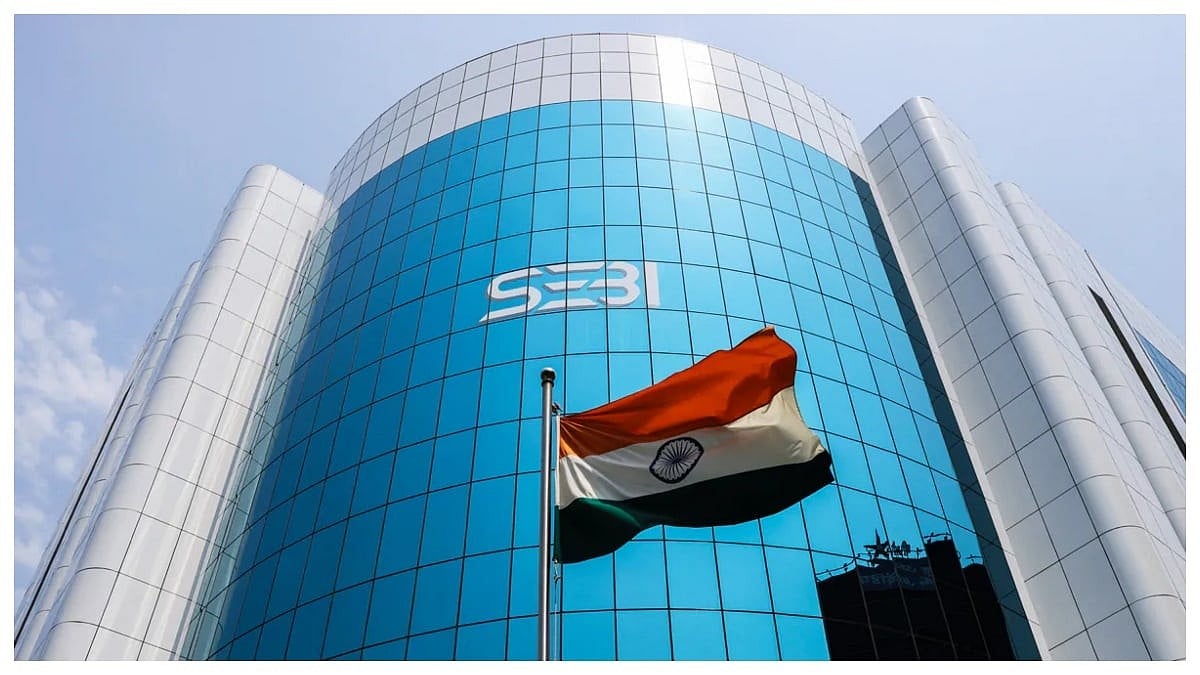
The Securities and Exchange Board of India (Sebi) is considering significant changes to the framework governing small and medium enterprise (SME) public offerings.
One of the key proposals under consideration is reserving as much as 50% of an SME issue for qualified institutional buyers (QIBs), with retail investors receiving 35% and non-institutional investors getting the remaining 15%.
Sebi is also examining whether to increase the size threshold for companies eligible to list on SME platforms operated by the BSE and NSE. Currently, companies with paid-up capital of up to ₹100 crore qualify for these platforms, which generally have fewer disclosure requirements than mainboard listings.
The regulator is also considering higher profitability requirements for companies seeking SME listings, including requiring firms to report an average profit of at least ₹3 crore over the previous three years.
Additionally, Sebi is looking at replacing the post-issue capital requirement with a market-capitalisation threshold ranging from ₹1,000 crore to ₹4,000 crore.
Other proposals include allowing existing shareholders to sell stakes through an offer-for-sale mechanism during an IPO, which could reduce the lock-in period for pre-IPO investors from one year to six months.
The review follows concerns about fund diversion, governance practices, and inflated IPO subscription figures in the SME segment. In 2025, more than 250 SME companies raised around $1.2 billion through public offerings, while roughly 100 issues have raised less than half that amount so far in 2026.
The proposed changes aim to bring SME IPO requirements closer to those applicable to mainboard IPOs, in an effort to improve governance and transparency in the SME segment.
The potential impact of these changes on the SME IPO market could be significant, with some experts cautioning that expanding the SME platform could create opportunities for companies to exploit differences between SME and mainboard regulations.
Overall, the proposed changes reflect Sebi's efforts to strengthen the regulatory framework for SME IPOs and promote greater transparency and governance in the segment.
In the context of India's growing economy, the development of the SME sector is crucial, and Sebi's efforts to improve governance and transparency in this segment are likely to have a positive impact on the country's economic growth.
The changes, if implemented, are expected to increase investor confidence in the SME segment and promote more robust governance practices among SME companies.
Frequently asked questions
What is the current size threshold for companies to list on SME platforms?
The current size threshold is ₹100 crore in paid-up capital.
What is the proposed average profit requirement for SME listings?
The proposed average profit requirement is ₹3 crore over the previous three years.