US Man Arrested for Wiping Phone at Airport
An American man was arrested for wiping his phone. He used a privacy-focused OS.
'%3E%3Crect%20width%3D'96'%20height%3D'96'%20fill%3D'%23B3261E'%2F%3E%3Ccircle%20cx%3D'30'%20cy%3D'24'%20r%3D'44'%20fill%3D'%23fff'%20opacity%3D'.12'%2F%3E%3Ccircle%20cx%3D'60'%20cy%3D'74'%20r%3D'40'%20fill%3D'%23000'%20opacity%3D'.10'%2F%3E%3C%2Fg%3E%3Cg%20fill%3D'%23fff'%3E%3Crect%20x%3D'29'%20y%3D'49'%20width%3D'8'%20height%3D'19'%20rx%3D'1'%2F%3E%3Crect%20x%3D'39'%20y%3D'40'%20width%3D'9'%20height%3D'28'%20rx%3D'1'%2F%3E%3Crect%20x%3D'50'%20y%3D'45'%20width%3D'8'%20height%3D'23'%20rx%3D'1'%2F%3E%3Crect%20x%3D'60'%20y%3D'53'%20width%3D'7'%20height%3D'15'%20rx%3D'1'%2F%3E%3Crect%20x%3D'41'%20y%3D'34'%20width%3D'5'%20height%3D'6'%2F%3E%3C%2Fg%3E%3C%2Fsvg%3E)
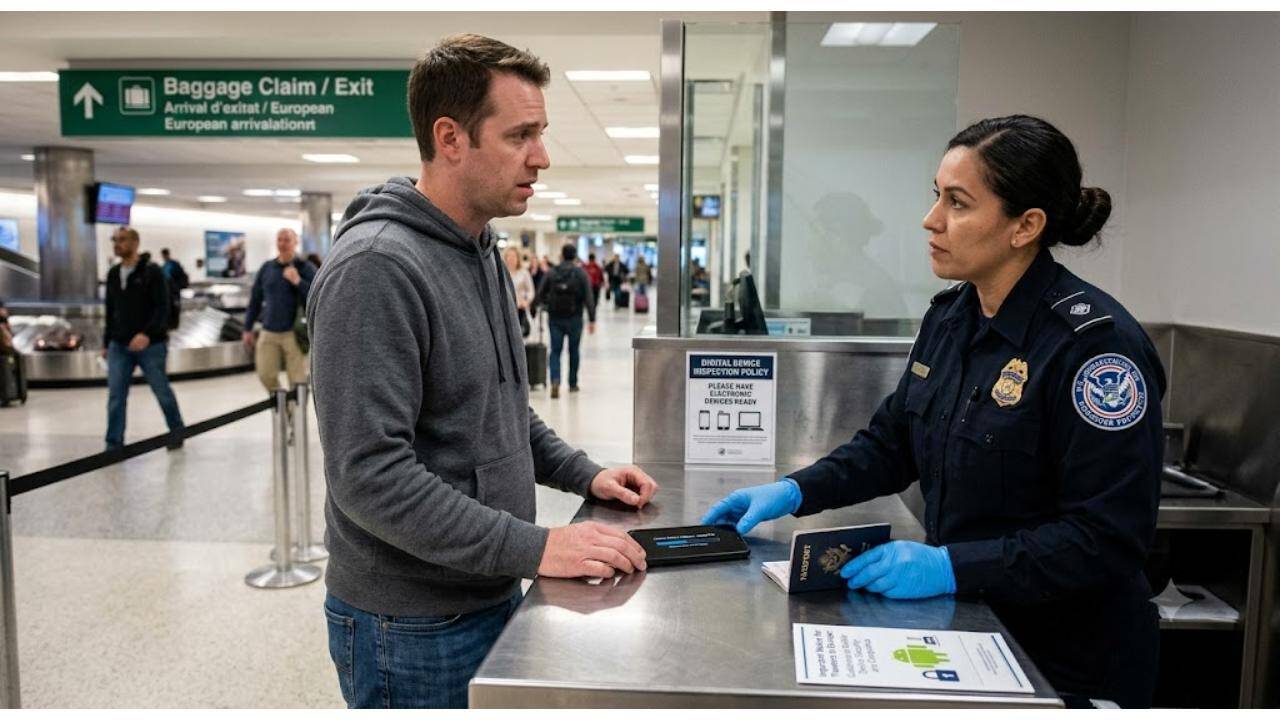
A US man, Samuel Tunick, was arrested at an airport for wiping his phone during a search. This incident has raised questions about the use of privacy software as evidence of criminal intent.
Prosecutors accuse Tunick of intentionally deleting data from his phone to prevent authorities from accessing its contents. The case is ongoing in Atlanta, with a key focus on GrapheneOS, a privacy-focused operating system used by Tunick.
GrapheneOS is designed to protect user data and prevent unauthorized access. However, its use has reportedly raised suspicions among authorities in Europe, who view it as a potential tool for hiding illicit activities.
The developers of GrapheneOS maintain that their software is legal and intended to safeguard users' data from unauthorized extraction. They argue that the use of their operating system should not be taken as evidence of criminal intent.
The case against Tunick highlights the tension between individual privacy rights and law enforcement's need to access data for investigative purposes. As technology continues to evolve, such conflicts are likely to become more frequent.
The use of privacy-focused operating systems like GrapheneOS is becoming increasingly popular, particularly among individuals concerned about data protection. However, as seen in Tunick's case, this can sometimes lead to misunderstandings and suspicions from authorities.
In recent years, there has been a growing debate about the balance between privacy and security. While law enforcement agencies need to access data to prevent and investigate crimes, individuals have a right to protect their personal information from unauthorized access.
The outcome of Tunick's case will be closely watched, as it may set a precedent for how authorities view the use of privacy software in the future. If convicted, it could have significant implications for individuals who use such software to protect their data.
The case also raises questions about the responsibilities of technology companies in balancing user privacy with the needs of law enforcement. As the use of privacy-focused operating systems continues to grow, it is likely that we will see more cases like Tunick's in the future.
In conclusion, the arrest of Samuel Tunick for wiping his phone at an airport has highlighted the complex issues surrounding privacy and security. As technology continues to evolve, it is essential to find a balance between individual privacy rights and the needs of law enforcement.
Frequently asked questions
Why was the US man arrested at the airport?
The man was arrested for wiping his phone during a search, which authorities believed was an attempt to prevent them from accessing its contents.
What is GrapheneOS?
GrapheneOS is a privacy-focused operating system designed to protect user data and prevent unauthorized access.