
FSSAI Bans Flavouring Neutral Alcohol in Spirits
FSSAI prohibits adding rum or whisky flavour to spirits, citing misrepresentation.
'%3E%3Crect%20width%3D'96'%20height%3D'96'%20fill%3D'%231B5E20'%2F%3E%3Ccircle%20cx%3D'30'%20cy%3D'24'%20r%3D'44'%20fill%3D'%23fff'%20opacity%3D'.12'%2F%3E%3Ccircle%20cx%3D'60'%20cy%3D'74'%20r%3D'40'%20fill%3D'%23000'%20opacity%3D'.10'%2F%3E%3C%2Fg%3E%3Cg%3E%3Ccircle%20cx%3D'48'%20cy%3D'48'%20r%3D'15'%20fill%3D'%23fff'%2F%3E%3Cpath%20d%3D'M43%2034%20Q50%2048%2043%2062'%20fill%3D'none'%20stroke%3D'%238a94a6'%20stroke-width%3D'2.4'%2F%3E%3Cpath%20d%3D'M47%2033%20Q54%2048%2047%2063'%20fill%3D'none'%20stroke%3D'%238a94a6'%20stroke-width%3D'1.8'%20stroke-dasharray%3D'1.5%203'%2F%3E%3C%2Fg%3E%3C%2Fsvg%3E)
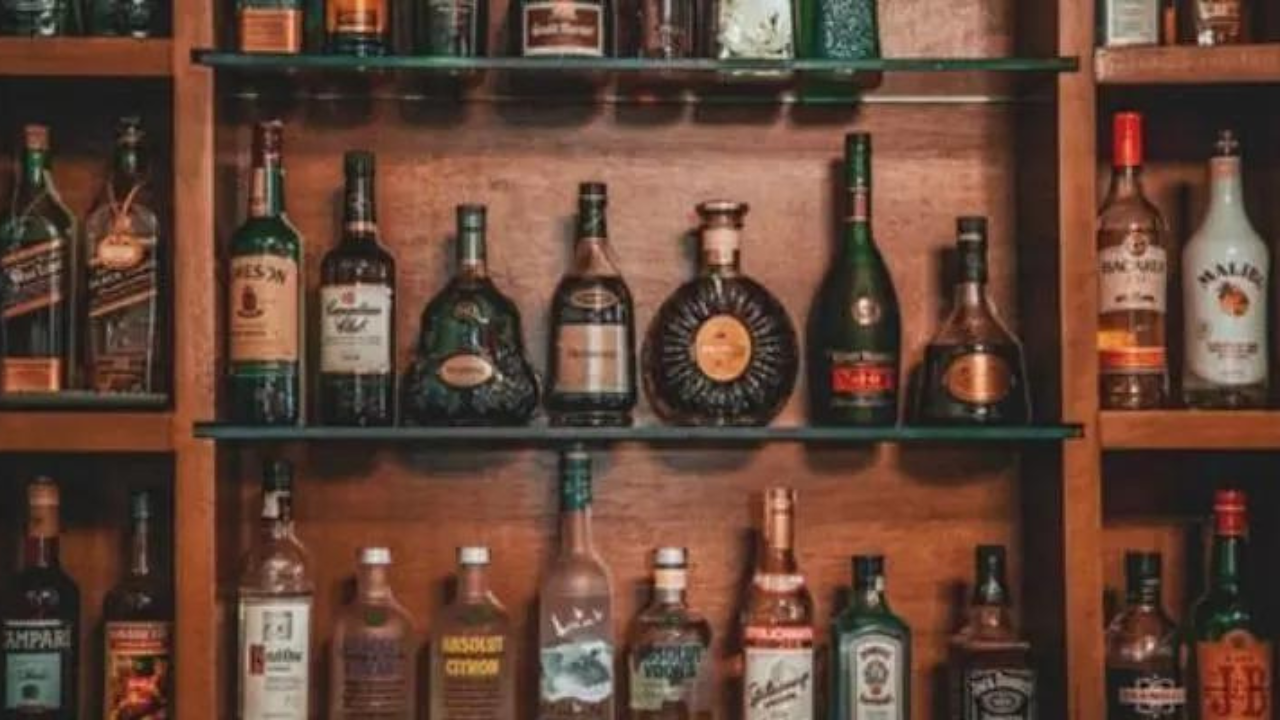
The Food Safety and Standards Authority of India (FSSAI) has taken a significant step towards ensuring the authenticity of alcoholic beverages in the country. Recently, the regulator prohibited the practice of adding rum or whisky flavour to spirits, deeming it a misrepresentation of the true nature of these beverages. This move is expected to impact several manufacturers who were found to be using neutral alcohol and adding identical flavouring substances to create the illusion of a premium product.
According to the FSSAI, several companies, including United Spirits, have faced prohibitions and notices for engaging in this practice. The regulator has stressed that the characteristic taste of a spirit should develop naturally through the base ingredients used in its production, rather than through artificial flavouring.
The FSSAI's decision is aimed at protecting consumers from being misled about the quality and authenticity of the spirits they purchase. By prohibiting the addition of flavourings to neutral alcohol, the regulator hopes to promote transparency and honesty in the labeling and marketing of alcoholic beverages.
The practice of adding flavourings to neutral alcohol has been a topic of debate in the industry for some time. While some manufacturers argue that it allows for greater flexibility and creativity in product development, others contend that it undermines the integrity of traditional spirits.
The FSSAI's move is seen as a significant step towards regulating the spirits industry and ensuring that consumers have access to accurate information about the products they purchase. As the regulator continues to crack down on deceptive practices, manufacturers will be forced to rethink their strategies and focus on producing high-quality, authentic spirits.
In the context of the Indian spirits market, the FSSAI's decision is particularly significant. The market is characterized by a diverse range of products, from traditional Indian spirits like desi daru to international brands like whisky and rum. The prohibition on flavouring neutral alcohol is expected to have a major impact on the market, with several manufacturers likely to be affected.
The FSSAI's emphasis on transparency and authenticity is also in line with global trends in the spirits industry. Consumers are increasingly demanding more information about the products they purchase, and regulators are responding by implementing stricter labeling and marketing regulations.
In conclusion, the FSSAI's decision to prohibit the addition of flavourings to neutral alcohol is a significant step towards promoting transparency and authenticity in the spirits industry. As the regulator continues to monitor the industry and enforce strict regulations, consumers can expect to have access to more accurate information about the products they purchase.
The impact of this decision will be felt across the industry, with manufacturers being forced to adapt to the new regulations. However, in the long run, it is expected to benefit consumers and promote a more honest and transparent spirits market.
What it means for Mumbai and India is that consumers will have more confidence in the authenticity of the spirits they purchase, and manufacturers will be encouraged to produce high-quality, traditional spirits. The FSSAI's decision is a significant step towards regulating the spirits industry and promoting transparency and honesty in the labeling and marketing of alcoholic beverages.
Frequently asked questions
What is the FSSAI's stance on flavouring neutral alcohol in spirits?
The FSSAI has prohibited the practice of adding flavourings to neutral alcohol, citing misrepresentation and a lack of transparency.
Which companies have been affected by the FSSAI's decision?
Several companies, including United Spirits, have faced prohibitions and notices for engaging in the practice of flavouring neutral alcohol.