Ocean Warming Shrinks Marine Animals
Ocean warming affects marine life, new study finds. Researchers analyze 450 million years of data.
'%3E%3Crect%20width%3D'96'%20height%3D'96'%20fill%3D'%23B3261E'%2F%3E%3Ccircle%20cx%3D'30'%20cy%3D'24'%20r%3D'44'%20fill%3D'%23fff'%20opacity%3D'.12'%2F%3E%3Ccircle%20cx%3D'60'%20cy%3D'74'%20r%3D'40'%20fill%3D'%23000'%20opacity%3D'.10'%2F%3E%3C%2Fg%3E%3Cg%20fill%3D'%23fff'%3E%3Crect%20x%3D'29'%20y%3D'49'%20width%3D'8'%20height%3D'19'%20rx%3D'1'%2F%3E%3Crect%20x%3D'39'%20y%3D'40'%20width%3D'9'%20height%3D'28'%20rx%3D'1'%2F%3E%3Crect%20x%3D'50'%20y%3D'45'%20width%3D'8'%20height%3D'23'%20rx%3D'1'%2F%3E%3Crect%20x%3D'60'%20y%3D'53'%20width%3D'7'%20height%3D'15'%20rx%3D'1'%2F%3E%3Crect%20x%3D'41'%20y%3D'34'%20width%3D'5'%20height%3D'6'%2F%3E%3C%2Fg%3E%3C%2Fsvg%3E)
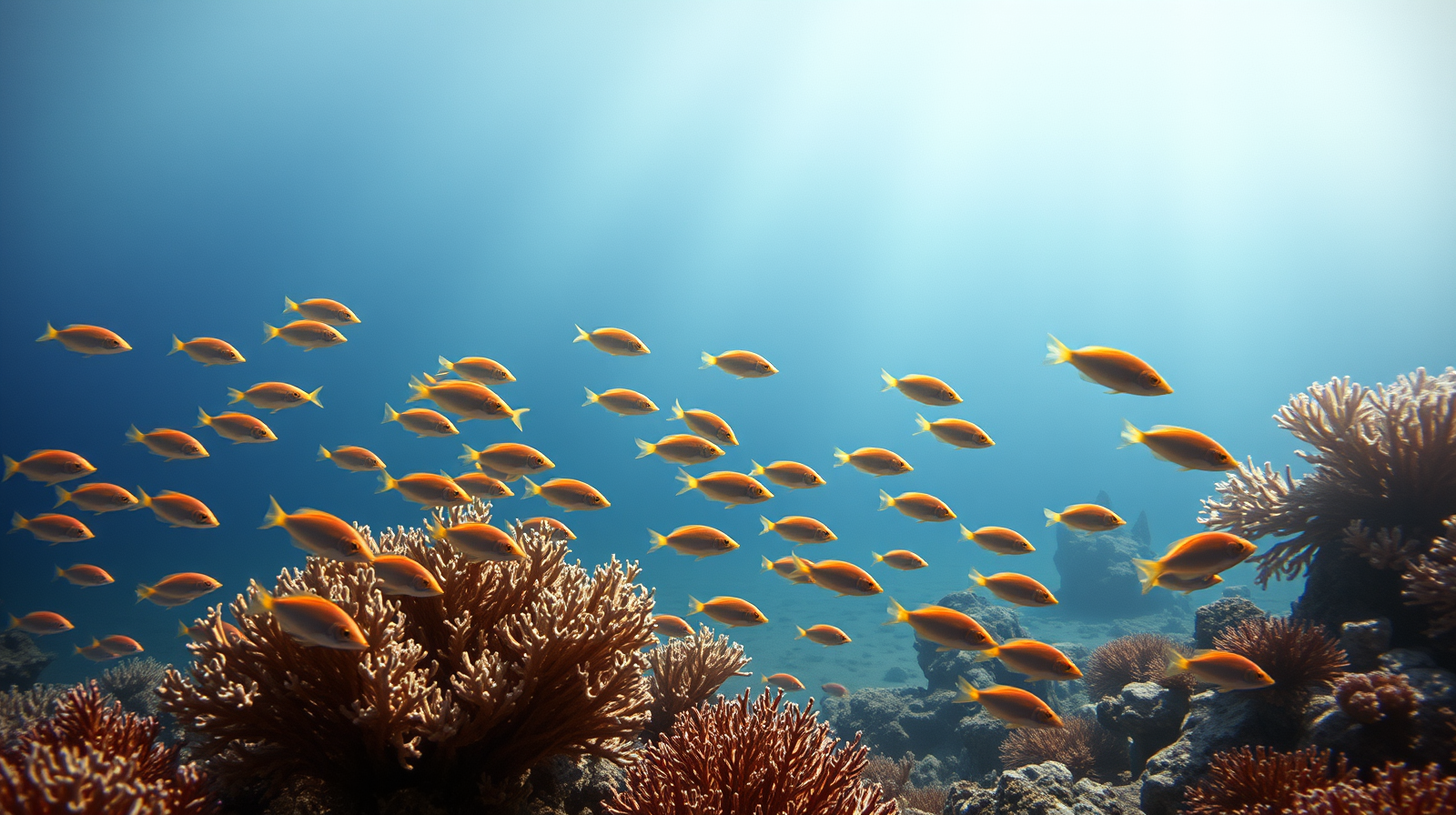
A groundbreaking study has revealed that ocean warming has been causing marine animals to shrink in size for approximately 450 million years. This phenomenon has significant implications for the health and biodiversity of marine ecosystems.
The research, which analyzed a vast array of data spanning over 450 million years, provides new insights into the impact of ocean warming on marine life. By examining fossil records and other historical data, scientists were able to identify a clear correlation between rising ocean temperatures and the shrinking of marine animals.
The study's findings suggest that as ocean temperatures increase, marine animals tend to decrease in size. This reduction in size can have far-reaching consequences for the entire ecosystem, including the food chain and the overall health of the marine environment.
Marine animals play a crucial role in maintaining the balance of the ocean's ecosystem. They help to regulate the population of other species, maintain the health of coral reefs, and contribute to the overall biodiversity of the marine environment. However, as ocean temperatures continue to rise due to climate change, the long-term consequences for marine life are uncertain.
The study's researchers analyzed data from various sources, including fossil records, sediment cores, and other historical data. By combining this information, they were able to reconstruct a comprehensive picture of the impact of ocean warming on marine life over the past 450 million years.
The findings of this study have significant implications for our understanding of the impact of climate change on marine ecosystems. As the ocean continues to warm, it is likely that marine animals will continue to shrink in size, leading to potential disruptions to the food chain and the overall health of the marine environment.
In recent years, there has been growing concern about the impact of climate change on marine ecosystems. Rising ocean temperatures, acidification, and other changes are all taking a toll on marine life. The study's findings provide further evidence of the need for urgent action to address the impacts of climate change on the ocean and its inhabitants.
The study's results also highlight the importance of continued research into the impact of ocean warming on marine life. By improving our understanding of this complex issue, scientists can provide policymakers and other stakeholders with the information they need to make informed decisions about how to mitigate the effects of climate change on the ocean.
In conclusion, the study's findings provide a significant contribution to our understanding of the impact of ocean warming on marine life. The discovery that ocean warming has been causing marine animals to shrink in size for 450 million years has important implications for the health and biodiversity of marine ecosystems. As the ocean continues to warm, it is essential that we take action to address the impacts of climate change on the ocean and its inhabitants.
The long-term consequences of ocean warming on marine life are uncertain, but one thing is clear: urgent action is needed to mitigate the effects of climate change on the ocean. By working together to reduce greenhouse gas emissions and protect marine ecosystems, we can help to ensure the long-term health and biodiversity of the ocean and its inhabitants.
The study's findings are a reminder of the importance of protecting the ocean and its inhabitants from the impacts of climate change. As we move forward, it is essential that we prioritize the health and biodiversity of marine ecosystems and take action to address the challenges posed by ocean warming.
The impact of ocean warming on marine life is a complex issue that requires continued research and attention. By improving our understanding of this issue, we can work towards developing effective solutions to mitigate the effects of climate change on the ocean and its inhabitants.
In the end, the study's findings serve as a reminder of the importance of protecting the ocean and its inhabitants from the impacts of climate change. It is a call to action, urging us to take immediate steps to reduce greenhouse gas emissions and protect marine ecosystems. By working together, we can help to ensure the long-term health and biodiversity of the ocean and its inhabitants.