Mumbai Parsis Celebrate Jamshedi Navroz on August 15
Parsi New Year begins with prayers, reflection and community gatherings. Mumbai's Parsi community observes Pateti as a day of repentance.
'%3E%3Crect%20width%3D'96'%20height%3D'96'%20fill%3D'%23B3261E'%2F%3E%3Ccircle%20cx%3D'30'%20cy%3D'24'%20r%3D'44'%20fill%3D'%23fff'%20opacity%3D'.12'%2F%3E%3Ccircle%20cx%3D'60'%20cy%3D'74'%20r%3D'40'%20fill%3D'%23000'%20opacity%3D'.10'%2F%3E%3C%2Fg%3E%3Cg%20fill%3D'%23fff'%3E%3Crect%20x%3D'29'%20y%3D'49'%20width%3D'8'%20height%3D'19'%20rx%3D'1'%2F%3E%3Crect%20x%3D'39'%20y%3D'40'%20width%3D'9'%20height%3D'28'%20rx%3D'1'%2F%3E%3Crect%20x%3D'50'%20y%3D'45'%20width%3D'8'%20height%3D'23'%20rx%3D'1'%2F%3E%3Crect%20x%3D'60'%20y%3D'53'%20width%3D'7'%20height%3D'15'%20rx%3D'1'%2F%3E%3Crect%20x%3D'41'%20y%3D'34'%20width%3D'5'%20height%3D'6'%2F%3E%3C%2Fg%3E%3C%2Fsvg%3E)
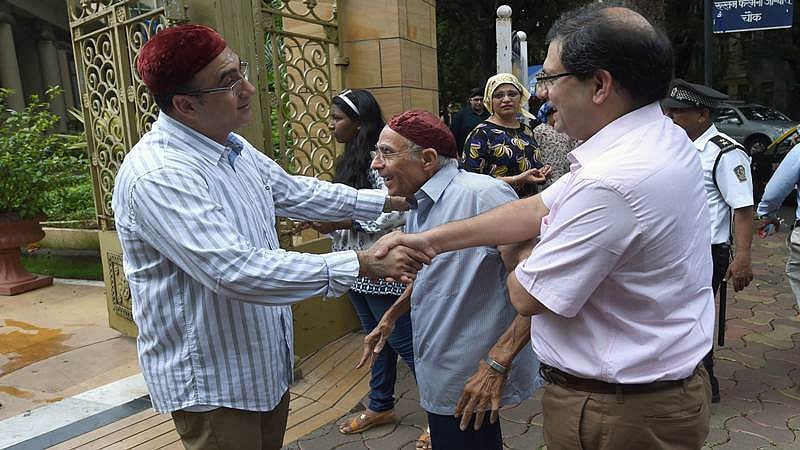
The Parsi community in Mumbai will celebrate the Parsi New Year, or Jamshedi Navroz, on August 15 with prayers, reflection, and family gatherings. This festival holds deep religious and cultural significance for Parsis and Iranian Zoroastrians across the country.
Observed on the first day of the Zoroastrian calendar year, Navroz is a time for renewal and spiritual commitment. The day preceding Navroz, known as Pateti, is a day of repentance and introspection. On Pateti, devotees offer prayers, seek forgiveness for past mistakes, and reflect on their actions before beginning the new year with renewed hope and a commitment to righteousness.
Noshir Dadrawala, a CSR and non-profit law consultant, explained that Pateti is essentially a day for reflection, where individuals reflect on their past actions, forgive themselves, and prepare for the new year. He added that Pateti is not a joyous occasion, but rather a time for self-reflection and seeking repentance.
On Navroz, Zoroastrians visit agiaries and Atash Behrams to offer prayers and seek blessings. Homes are cleaned and decorated, while families prepare traditional delicacies and dress in festive attire. Community organisations and Parsi institutions across Mumbai also organise prayers and gatherings to mark the occasion.
The festival is rooted in the Zoroastrian principles of Humata, Hukhta, and Hvarshta — good thoughts, good words, and good deeds. For Mumbai's Parsi community, Navroz is an occasion to celebrate its rich heritage, renew spiritual commitments, and strengthen bonds within the community.
The Parsi community in Mumbai is known for its strong sense of tradition and culture. The celebration of Navroz is an important part of this tradition, and is marked with great enthusiasm and fervour. The community comes together to celebrate the new year, and to reaffirm its commitment to the principles of Zoroastrianism.
In addition to the religious significance of Navroz, the festival is also an opportunity for the Parsi community to come together and celebrate its heritage. The community organisations and institutions play an important role in organising the celebrations, and in promoting the traditions and culture of the Parsi community.
The celebration of Navroz is a significant event in the calendar of the Parsi community in Mumbai. It is a time for reflection, renewal, and celebration, and is marked with great enthusiasm and fervour. The community comes together to celebrate the new year, and to reaffirm its commitment to the principles of Zoroastrianism.
In conclusion, the celebration of Jamshedi Navroz is an important part of the Parsi community's tradition and culture. The festival is a time for reflection, renewal, and celebration, and is marked with great enthusiasm and fervour. The community comes together to celebrate the new year, and to reaffirm its commitment to the principles of Zoroastrianism.
The significance of Navroz extends beyond the Parsi community, and is an important part of India's cultural heritage. The festival is a celebration of the country's diversity and richness, and is an opportunity for people of all communities to come together and celebrate their differences.
Overall, the celebration of Jamshedi Navroz is a significant event in the calendar of the Parsi community in Mumbai. It is a time for reflection, renewal, and celebration, and is marked with great enthusiasm and fervour. The community comes together to celebrate the new year, and to reaffirm its commitment to the principles of Zoroastrianism.
Frequently asked questions
What is the significance of Pateti in the Parsi community?
Pateti is a day of repentance and introspection, where individuals reflect on their past actions, forgive themselves, and prepare for the new year.
How do Parsis in Mumbai celebrate Navroz?
Parsis in Mumbai celebrate Navroz with prayers, reflection, and family gatherings, and visit agiaries and Atash Behrams to offer prayers and seek blessings.