Hotels Skip 13th Floor Due to Superstition
Many hotels omit the 13th floor, but why? Find out the reason behind this common practice.

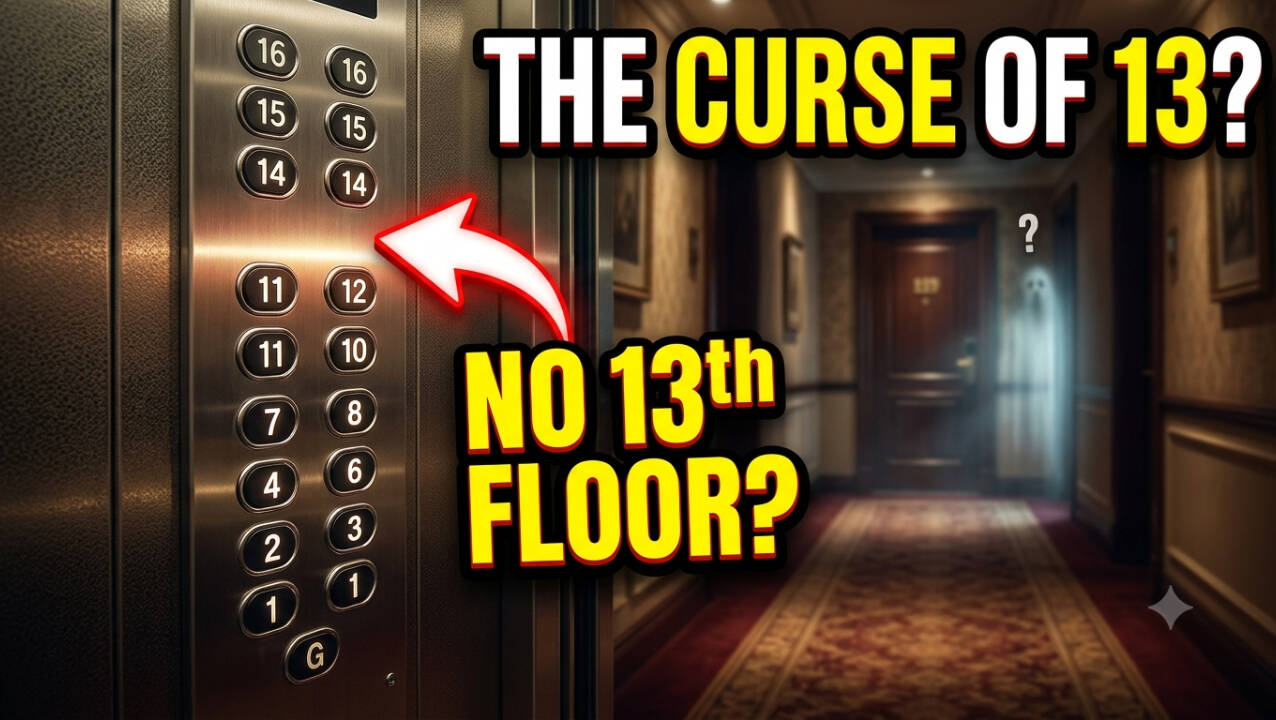
The absence of a 13th floor in many hotels has been a long-standing phenomenon. This practice is not unique to hotels, as many buildings and skyscrapers also skip the 13th floor. The reason behind this omission is largely rooted in superstition.
In many cultures, the number 13 is considered unlucky. This fear of the number 13 is often referred to as triskaidekaphobia. As a result, many buildings and hotels choose to skip the 13th floor, opting instead to label the floor above the 12th floor as the 14th floor.
This practice is not limited to hotels, but it is particularly prevalent in the hospitality industry. Hotels often prioritize guest comfort and satisfaction, and omitting the 13th floor is seen as a way to avoid any potential superstitions or concerns that guests may have.
The origins of triskaidekaphobia are unclear, but it is believed to have originated in ancient times. One theory suggests that the number 13 was considered unlucky because it was associated with the Last Supper, where Judas Iscariot was the 13th person to sit at the table.
In addition to hotels, many other buildings and structures also omit the 13th floor. This includes office buildings, residential complexes, and even some government institutions. The practice has become so widespread that it is now considered a standard design element in many architectural plans.
Despite the prevalence of triskaidekaphobia, not all hotels or buildings choose to omit the 13th floor. Some modern buildings and hotels have begun to embrace the number 13, seeing it as a way to stand out from the crowd and challenge traditional superstitions.
In recent years, there has been a growing trend towards more rational and pragmatic approaches to design and architecture. As a result, some buildings and hotels have started to include the 13th floor, often as a way to make a statement or challenge traditional norms.
The decision to omit or include the 13th floor ultimately depends on the individual preferences and priorities of the building's owners or architects. While some may choose to skip the 13th floor due to superstition, others may see it as an opportunity to create a unique and memorable experience for their guests.
In conclusion, the absence of a 13th floor in many hotels is largely due to superstition and the fear of the number 13. However, as attitudes towards design and architecture continue to evolve, it will be interesting to see whether this practice continues or becomes a relic of the past.
The phenomenon of omitting the 13th floor is a fascinating example of how superstition and cultural norms can influence design and architecture. As we continue to build and create new structures, it will be interesting to see how this practice evolves and whether it remains a standard element of building design.
The fear of the number 13 may be deeply ingrained in many cultures, but it is also a reminder of the power of superstition and the importance of understanding and respecting cultural norms. As we move forward, it will be important to consider the role of superstition in design and architecture, and to find ways to balance traditional norms with modern approaches and perspectives.
In the end, the decision to omit or include the 13th floor is a complex issue that depends on a variety of factors, including cultural norms, personal preferences, and architectural priorities. As we continue to build and create new structures, it will be interesting to see how this practice evolves and whether it remains a standard element of building design.
What it means for Mumbai residents is that the next time they stay in a hotel, they may notice the absence of a 13th floor. This phenomenon is not unique to Mumbai, but it is a common practice that can be observed in many hotels and buildings across the city. By understanding the reasons behind this practice, residents can gain a deeper appreciation for the cultural and historical context that shapes our built environment.