Iran Deploys GPS-Free Missiles Against US Warships
Iran's new missiles can target without GPS, US warships on alert. Tensions rise in Strait of Hormuz.
'%3E%3Crect%20width%3D'96'%20height%3D'96'%20fill%3D'%234A235A'%2F%3E%3Ccircle%20cx%3D'30'%20cy%3D'24'%20r%3D'44'%20fill%3D'%23fff'%20opacity%3D'.12'%2F%3E%3Ccircle%20cx%3D'60'%20cy%3D'74'%20r%3D'40'%20fill%3D'%23000'%20opacity%3D'.10'%2F%3E%3C%2Fg%3E%3Cg%20fill%3D'none'%20stroke%3D'%23fff'%20stroke-width%3D'3'%3E%3Ccircle%20cx%3D'48'%20cy%3D'48'%20r%3D'16'%2F%3E%3Cellipse%20cx%3D'48'%20cy%3D'48'%20rx%3D'6.5'%20ry%3D'16'%2F%3E%3Cline%20x1%3D'32'%20y1%3D'42'%20x2%3D'64'%20y2%3D'42'%2F%3E%3Cline%20x1%3D'32'%20y1%3D'54'%20x2%3D'64'%20y2%3D'54'%2F%3E%3C%2Fg%3E%3C%2Fsvg%3E)
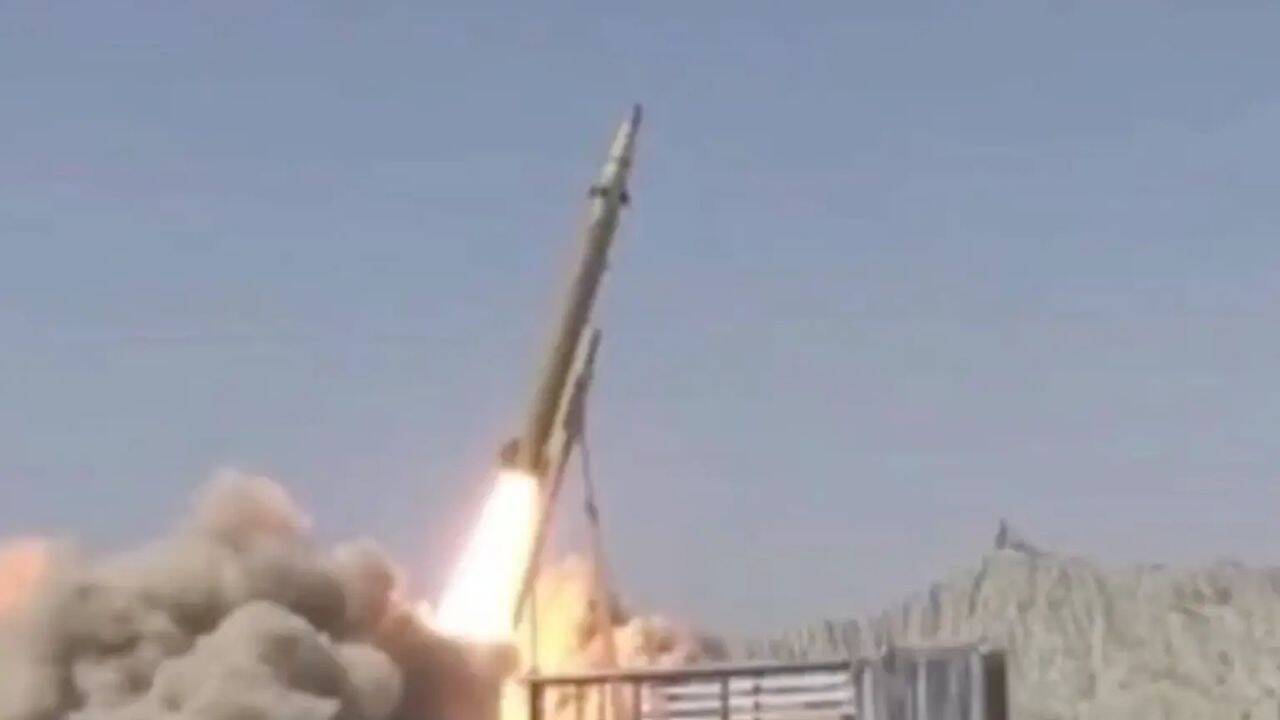
Iran has successfully deployed electro-optical guided missiles against US warships in the Strait of Hormuz, according to recent reports. This new technology allows for precise target identification without relying on GPS, making it a significant development in the region.
The US Central Command has confirmed these attacks, stating that all attempts were unsuccessful in causing damage to their warships. This escalation comes as a response to US actions against Iranian oil tankers, which has led to increased tensions in the area.
The Strait of Hormuz is a critical waterway, with a significant portion of the world's oil passing through it. The US has a strong military presence in the region, with warships regularly patrolling the area. Iran's new missile technology has put these warships on alert, as it poses a significant threat to their operations.
The use of electro-optical guided missiles is a significant development in the region, as it allows Iran to target US warships without relying on GPS. This technology uses cameras and sensors to identify and track targets, making it more difficult to evade or intercept.
The tensions between the US and Iran have been escalating in recent months, with both countries engaging in a series of tit-for-tat actions. The US has imposed sanctions on Iran, which has led to a significant decline in the country's oil exports. Iran has responded by attacking US warships and oil tankers, which has led to a significant increase in tensions in the region.
The deployment of Iran's new missile technology has significant implications for the region. It poses a significant threat to US warships and oil tankers, which could lead to a further escalation of tensions. The US will need to develop new strategies to counter this technology, which could include the use of advanced electronic warfare systems or the development of new missile defense systems.
The situation in the Strait of Hormuz is complex and volatile, with multiple countries and interests involved. The deployment of Iran's new missile technology has added a new layer of complexity to the situation, and it remains to be seen how the US and other countries will respond.
In conclusion, the deployment of Iran's new missile technology has significant implications for the region. It poses a significant threat to US warships and oil tankers, and has the potential to further escalate tensions in the area. The US and other countries will need to develop new strategies to counter this technology, and to reduce the risk of conflict in the region.
The international community is watching the situation in the Strait of Hormuz closely, as it has the potential to impact global oil supplies and the broader regional security landscape. The US and Iran will need to engage in diplomatic efforts to reduce tensions and prevent further conflict, which could have significant consequences for the region and the world.
As the situation continues to unfold, it is clear that the deployment of Iran's new missile technology has marked a significant escalation in the tensions between the US and Iran. The international community will be watching closely to see how the situation develops, and what steps the US and Iran take to reduce tensions and prevent further conflict.
The US and Iran have a long and complex history, with multiple periods of tension and conflict. The current situation is just the latest escalation in a long-standing dispute, and it remains to be seen how it will be resolved. One thing is certain, however: the deployment of Iran's new missile technology has marked a significant shift in the balance of power in the region, and it will have significant implications for the US, Iran, and the broader international community.
In the coming days and weeks, the situation in the Strait of Hormuz will continue to unfold, with the US and Iran engaging in a series of diplomatic and military maneuvers. The international community will be watching closely, as the situation has the potential to impact global oil supplies and the broader regional security landscape. The US and Iran will need to engage in diplomatic efforts to reduce tensions and prevent further conflict, which could have significant consequences for the region and the world.
The situation in the Strait of Hormuz is a complex and volatile one, with multiple countries and interests involved. The deployment of Iran's new missile technology has added a new layer of complexity to the situation, and it remains to be seen how the US and other countries will respond. One thing is certain, however: the situation has the potential to impact global oil supplies and the broader regional security landscape, and it will be watched closely by the international community.
In terms of the broader regional security landscape, the deployment of Iran's new missile technology has significant implications. It poses a significant threat to US warships and oil tankers, which could lead to a further escalation of tensions in the region. The US and other countries will need to develop new strategies to counter this technology, which could include the use of advanced electronic warfare systems or the development of new missile defense systems.
The situation in the Strait of Hormuz is a critical one, with the potential to impact global oil supplies and the broader regional security landscape. The deployment of Iran's new missile technology has marked a significant escalation in the tensions between the US and Iran, and it remains to be seen how the situation will be resolved. The international community will be watching closely, as the situation has the potential to have significant consequences for the region and the world.
The US and Iran have a long and complex history, with multiple periods of tension and conflict. The current situation is just the latest escalation in a long-standing dispute, and it remains to be seen how it will be resolved. The deployment of Iran's new missile technology has marked a significant shift in the balance of power in the region, and it will have significant implications for the US, Iran, and the broader international community.
The situation in the Strait of Hormuz is a complex and volatile one, with multiple countries and interests involved. The deployment of Iran's new missile technology has added a new layer of complexity to the situation, and it remains to be seen how the US and other countries will respond. The international community will be watching closely, as the situation has the potential to impact global oil supplies and the broader regional security landscape.
In conclusion, the deployment of Iran's new missile technology has significant implications for the region. It poses a significant threat to US warships and oil tankers, and has the potential to further escalate tensions in the area. The US and other countries will need to develop new strategies to counter this technology, and to reduce the risk of conflict in the region. The situation in the Strait of Hormuz is a critical one, with the potential to impact global oil supplies and the broader regional security landscape. The international community will be watching closely, as the situation has the potential to have significant consequences for the region and the world.
Frequently asked questions
What is the significance of Iran's new missile technology?
Iran's new missile technology allows for precise target identification without relying on GPS, making it a significant threat to US warships and oil tankers.
What is the current situation in the Strait of Hormuz?
The situation in the Strait of Hormuz is complex and volatile, with multiple countries and interests involved, and the deployment of Iran's new missile technology has added a new layer of complexity to the situation.