Calgary Pond Invaded by Prussian Carp
Invasive fish threaten local ecology, city infrastructure at risk.
'%3E%3Crect%20width%3D'96'%20height%3D'96'%20fill%3D'%234A235A'%2F%3E%3Ccircle%20cx%3D'30'%20cy%3D'24'%20r%3D'44'%20fill%3D'%23fff'%20opacity%3D'.12'%2F%3E%3Ccircle%20cx%3D'60'%20cy%3D'74'%20r%3D'40'%20fill%3D'%23000'%20opacity%3D'.10'%2F%3E%3C%2Fg%3E%3Cg%20fill%3D'none'%20stroke%3D'%23fff'%20stroke-width%3D'3'%3E%3Ccircle%20cx%3D'48'%20cy%3D'48'%20r%3D'16'%2F%3E%3Cellipse%20cx%3D'48'%20cy%3D'48'%20rx%3D'6.5'%20ry%3D'16'%2F%3E%3Cline%20x1%3D'32'%20y1%3D'42'%20x2%3D'64'%20y2%3D'42'%2F%3E%3Cline%20x1%3D'32'%20y1%3D'54'%20x2%3D'64'%20y2%3D'54'%2F%3E%3C%2Fg%3E%3C%2Fsvg%3E)
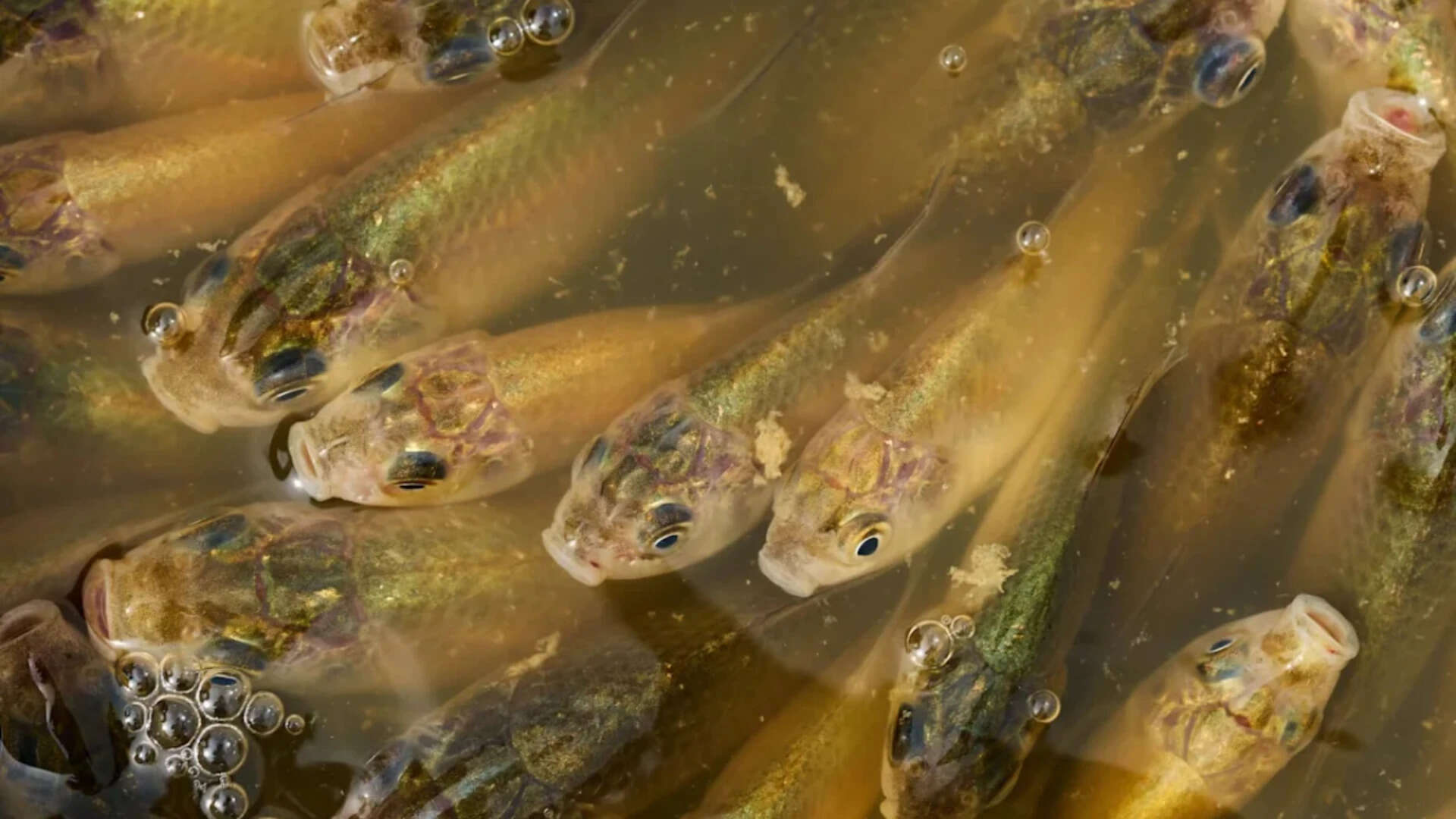
A Calgary pond has been overrun by invasive Prussian carp, posing a significant threat to the local ecosystem. These fish are known to breed rapidly, which can have devastating effects on aquatic life and city infrastructure. The Prussian carp's ability to reproduce quickly allows them to outcompete native species for resources, leading to a decline in biodiversity.
The presence of invasive Prussian carp in Calgary's stormwater system is a cause for concern, as it can lead to disruptions in the natural balance of the ecosystem. This can have far-reaching consequences, including damage to city infrastructure and potential harm to human health.
In addition to the issue of invasive Prussian carp, Canadian parks are also experiencing an increase in encounters with elk. These encounters are becoming more perilous than those with bears due to the elk's massive size and unpredictable behavior. As a result, authorities are implementing management strategies to address both wildlife conflicts and invasive species.
The management of invasive species, such as the Prussian carp, is crucial to maintaining the health and integrity of ecosystems. This can involve measures such as monitoring, containment, and removal of the invasive species. In the case of the Prussian carp, authorities may need to implement controls on their population to prevent further damage to the ecosystem.
The issue of invasive species is not unique to Calgary, as many cities and ecosystems around the world are facing similar challenges. The introduction of non-native species can have significant and long-lasting impacts on the environment, and it is essential to take proactive steps to prevent and manage these invasions.
In the context of Canadian parks, the increase in encounters with elk highlights the need for effective wildlife management strategies. This can include measures such as habitat modification, population control, and education campaigns to inform the public about the risks associated with wildlife encounters.
Overall, the appearance of invasive Prussian carp in a Calgary pond serves as a reminder of the importance of protecting and preserving local ecosystems. By taking proactive steps to manage invasive species and address wildlife conflicts, authorities can help to maintain the health and integrity of these ecosystems, ensuring their continued viability for future generations.
The significance of this issue extends beyond the local ecosystem, as the management of invasive species and wildlife conflicts has implications for the broader environment and human health. It is essential to address these issues through a comprehensive and coordinated approach, involving multiple stakeholders and agencies.
In conclusion, the invasion of a Calgary pond by Prussian carp highlights the need for effective management strategies to address the issue of invasive species and wildlife conflicts. By taking proactive steps to protect and preserve local ecosystems, authorities can help to maintain the health and integrity of these ecosystems, ensuring their continued viability for future generations.
Frequently asked questions
What is the impact of Prussian carp on local ecosystems?
Prussian carp can outcompete native species for resources, leading to a decline in biodiversity and potentially disrupting the natural balance of the ecosystem.
Why are encounters with elk in Canadian parks becoming more perilous?
Encounters with elk are becoming more perilous due to their massive size and unpredictable behavior, making them a greater threat than bears in some cases.